Trade Show Planning Secrets to Maximize Booth ROI
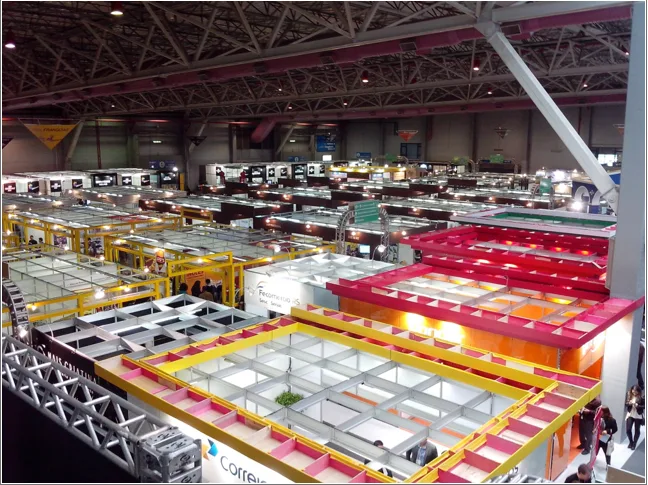
Trade shows demand a major investment. They take staff hours, travel funds, and company energy. Many teams arrive with high hopes. Then they pack up with few good leads. Building steady trade show revenue takes practical planning, smart space design, and sharp execution.
Designing Booth Spaces That Draw Foot Traffic
Careful planning sets the stage before the doors open. A smart, modern indoor trade show setup gives your sales team an edge. That clean look keeps your floor area orderly. It also invites passersby to step inside for a demo.
Wide entry paths prevent crowding near the aisles. When attendees see an open path, they walk right in. Setting your main display tables toward the back gives your team room to greet people.
A practical booth setup supports visitor comfort and smooth demos:
- Wide perimeter paths let 2 attendees walk side by side without bumping shoulders.
- Low-profile counters keep sightlines open across your floor space.
- Dedicated product stations give buyers room to test gear with your team.
- Quiet rear tables create a comfortable spot for serious pricing talks.
Every graphic banner must speak clearly to passing foot traffic. Keep your core message at eye level. That way, people grasp your offer within 3 seconds. Placing product displays away from busy corners prevents sudden logjams in narrow aisles.
Bright lighting makes a compact space feel open and professional. Warm spotlights draw eyes toward your featured products and promo signs. Well-lit booths pull more foot traffic than dark displays down the row.
Eliminating Costly Preparation Mistakes Early
Rushing through logistics in the final weeks burns money. It also exhausts your crew. Around 70% of exhibitors underperform on the event floor. This comes from sloppy preparation. Skipping trial assemblies at headquarters often sparks panic on setup morning. That happens when parts go missing.
Strong execution relies on firm deadlines set months before the expo. Give clear assignments to each team member. That way no task slips through the cracks. Checking your delivery dates protects your budget. It avoids expensive rush charges from venue dock managers.
Print backup physical copies of all booth contracts. Do the same for electrical orders and shipping bills of lading. Having hard copies ready settles disputes with hall vendors in minutes. Keep those documents inside a dedicated show binder. Carry it in your carry-on luggage.
Building a Reliable Operational Schedule
Draft a complete checklist covering display hardware, product samples, and power cords. Test all tablets, barcode scanners, and lead apps on your office network. Do this before you pack. That simple step keeps your sales tech running smoothly. It matters when convention hall Wi-Fi slows down.
Build staff shifts with realistic breaks across the multi-day schedule. Tired booth workers miss buying signals. They also fail to engage energetic prospects. Rotating your floor staff every 2 hours keeps energy high. It also keeps discussions sharp.
Hold a quick 10-minute briefing each morning before the hall doors unlock. Share daily target numbers. Assign lead roles. Review answers to common buyer questions. Alignment across the team keeps daily talks focused on real pipeline revenue.
Selecting Scalable Hardware for Long-Term Value
Buying single-use displays turns your marketing budget into a recurring expense. A modular trade show booth system delivers greater flexibility. It also scales across different hall layouts. You can adapt the same frame hardware for a compact 10×10 space. You can also expand it for a large 20×20 footprint.
Lightweight aluminum frames and tension fabric graphics cut total shipping weight by hundreds of pounds. Lighter crates lower drayage fees charged by convention organizers. Tough hardware holds up through cross-country shipping runs. It does not show signs of wear.
Adaptable hardware yields several practical advantages on the road:
- Tool-free connectors speed up assembly and cut breakdown labor costs.
- Swappable graphic fabrics refresh your pitch without buying new frames.
- Built-in wire paths hide power cords to keep aisles neat and hazard-free.
- Wheeled hard cases protect sensitive panels through repeated freight handling.
Managing Storage and Transportation Expenses
Store your booth components in climate-controlled spaces between major events. Moisture and temperature swings can warp wooden pieces. They can also ruin fragile electronics. Routine post-show inspections keep your display hardware looking fresh. This matters for every stop on your tour.
Examine local convention hall labor rules before contracting third-party setup crews. Learning local guidelines prevents surprise labor bills. It also avoids steep overtime rates from building management. Simple self-assembly setups save hundreds of dollars at every tour stop.
Maintain a digital replacement parts log. Track screws, brackets, and extra lights. Ordering spare components right after an event avoids emergency fabrication charges later. Small replacement habits protect your capital hardware. They help it last for dozens of future shows.
Unifying Team Messaging Across Every Touchpoint
Eye-catching graphics attract crowds, but cohesive communication wins long-term contracts. Keep your messaging consistent across three stages. These are pre-show outreach, the exhibit experience, and post-show follow-up.
This approach attracts the right attendees. It also reinforces your value proposition. And it turns booth talks into opportunities. Sending customized invitations 3 weeks early fills your calendar with pre-set meetings. This happens before the show even begins.
Train your booth staff to qualify prospects within the first 60 seconds. Asking direct discovery questions separates serious buyers from casual bag collectors. Typing key notes into your sales system right away keeps buyer context fresh. That helps for later discussions.
Quick response times matter just as much as your pitch. Lead interest drops fast once attendees travel home. Sending personalized email replies within 48 hours keeps your solutions fresh in their minds.
Coordinate with your field sales reps. Booth leads should get immediate phone outreach. Share exact meeting notes, pain points, and product interests from the show. A smooth handoff between marketing staff and account executives keeps buyers engaged.
Score every collected lead by urgency and budget size. Do this before loading them into sales pipelines. High-intent buyers warrant immediate phone calls. General inquiries fit automated nurture sequences. That separation directs your top sellers toward accounts that bring real cash flow.
Converting Exhibition Presence Into Measurable Growth
Growing your booth return on investment requires steady prep, smart equipment choices, and swift sales execution. Compare total expenses against closed pipeline revenue. That reveals your true return on trade show spending. Clear data points show what worked on the floor. They also point toward useful improvements for your next event.
Begin upgrading your exhibition process well before the next registration deadline. Plan your floor layout with purpose. Align your team on clear sales goals. Establish a dependable follow-up process to unlock higher returns. Start mapping out your upcoming trade show strategy today. Then transform casual booth visitors into long-term clients.