Electric Bike Commuting by the Numbers: What the Maxfoot MF-25 Actually Solves
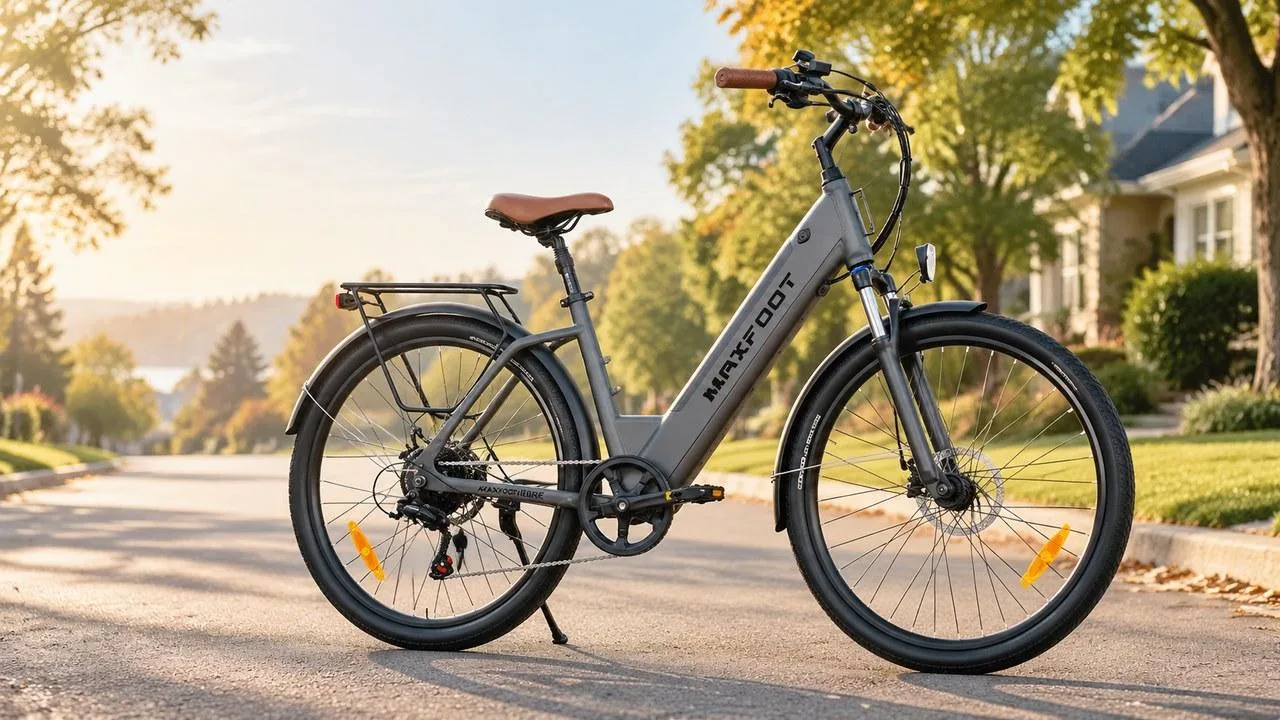
Finding the best cheap ebike for commuting takes more than comparing motor output or promises of freedom. Real transportation decisions start somewhere less glamorous: a locked bicycle outside an office, a steep driveway, and the twenty minutes between leaving home and arriving on time. The Maxfoot MF-25 electric bike deserves examination through that lens. It is a step-through, two-wheel commuter with a removable 500Wh battery, rather than a cargo machine designed for unusually heavy loads.
Consider a hypothetical rider who works four miles from home, visits a grocery store twice a week and lives in an apartment with a ground-floor storage room. That person’s priorities are different from those of a long-distance trail rider. The relevant questions concern repeatable range, predictable starts, secure parking and affordable maintenance. No honest review can establish those outcomes from specifications alone, but the equipment list helps identify what to test.
MF-25 Technical Specifications
|
Component |
MF-25 manufacturer specification |
|
Motor |
Rear hub; 500W nominal, 1,100W peak claimed |
|
Battery |
500Wh removable lithium-ion |
|
Advertised assisted range |
Up to 50 miles; conditions vary |
|
Drivetrain |
Shimano 7-speed |
|
Tires |
26 × 1.95 in with puncture protection |
|
Comfort equipment |
Front suspension fork; suspension seatpost |
|
Display and throttle |
Color LCD; thumb-twist throttle |
|
Weight and payload |
59 lb bicycle; 300 lb combined payload |
|
Cargo and lighting |
25 kg rear rack; integrated LED lights |
A commuter route is a chain of small challenges
A route that looks short on a map may include fifteen traffic lights, uneven crossings and two awkward turns. Stopping and restarting repeatedly changes how an e bike feels. A 500W nominal rear hub motor can provide assistance during acceleration, but the manufacturer’s 1,100W peak figure does not measure how steadily the bicycle climbs a long hill. The controller, grade, rider mass and tire condition all influence the result. Before buying, trace the actual commute at the time it normally occurs, paying attention to traffic rather than merely distance.
MF-25 configuration and what it means
The specifications below are taken from Maxfoot’s Burning Orange model page. They describe supplied components and advertised limits, not independent testing. The front fork and suspension seatpost have different functions: the former moves at the front wheel; the latter adds cushioning beneath the saddle. Calling that arrangement full rear suspension would be inaccurate. The 26 by 1.95 inch tires are ordinary commuter proportions, not four-inch fat tires. The rack rating also does not override the combined 300-pound payload ceiling.
Why everyday gearing still matters
Seven mechanical gears might sound old-fashioned beside an electrical system, yet a useful commute involves more than pressing a throttle. Lower gearing allows a rider to pedal comfortably from a stop and maintain cadence on moderate inclines. Higher gearing can suit quicker riding on open pavement. Those choices do not increase battery capacity, but they can encourage the rider to contribute meaningful power. Learning when to shift may make the bicycle more pleasant and help reduce unnecessary dependence on high assist settings.
Battery budgeting without optimistic assumptions
Maxfoot advertises up to 50 miles of assisted range from its removable 500Wh battery. That is an upper manufacturer claim, not a promise that every user will achieve it. Wind, speed, repeated acceleration, temperature, body weight and terrain all matter. A sensible daily rider estimates range with a reserve for a detour or an unexpected headwind. The removable format is most useful when there is a secure indoor place to charge while the bicycle remains parked elsewhere. Follow the specified charger and storage instructions; never improvise a lithium-ion battery repair.
The problem of parking a 59-pound bicycle
The approximately 59-pound listed bike weight is not especially relevant once someone is cruising, but it becomes significant at stairs, vehicle racks and narrow storage entrances. A person who must carry the bicycle to a third-floor apartment may discover a deal-breaking constraint. The low frame opening makes mounting simpler for some riders, yet it does nothing to reduce lifting weight. Measure doorways, storage slots and carrier ratings before ordering. Also assess whether a substantial lock can secure the frame and rear wheel to a fixed object.
Comfort is a route-specific quality
A suspension seatpost can soften some sharp impacts reaching the saddle, while a front suspension fork may reduce shocks through the handlebar. Neither makes broken pavement harmless. The ability to ride upright without excessive wrist pressure depends on frame fit, saddle position and handlebar reach. A shopper should test stopping and placing a foot down repeatedly. The product page gives a broad rider-height indication, but inseam length and arm reach matter too. With any electric bike, a good fit is demonstrated on the rider, not inferred from a height chart.
A five-day field evaluation
An informative test uses the same commute on five different working days. Record departure time, weather, route distance, assistance level, cargo and the approximate charge display at both ends. Note whether the rider needed to stop for adjustments or felt anxious about arriving with too little energy. Include at least one typical grocery detour. A single perfect-weather promotional ride is weak evidence because it removes the inconveniences that define commuting. If a seller cannot arrange a test ride, look for third-party reviews that clearly document methods rather than enthusiastic adjectives.
Shopping and warranty considerations
The official page showed a limited-time $499 price during an October 2026 check, but promotions are not permanent reference prices. Compare the actual checkout amount with similar commuter models, including delivery, assembly, a proper lock and future service. Confirm the brake hardware on the delivered version, along with the replacement battery cost and availability. Ask for model-specific documentation of relevant electrical and battery certifications instead of assuming it from broad brand language. Clarify warranty exclusions and what happens if the bike arrives with damage.
Where the MF-25 fits best
For relatively short paved commutes with secure storage and convenient charging, the MF-25 presents a plausible equipment mix: an approachable step-through frame, seven-speed gearing, integrated lighting and a rear rack. It is a weaker fit for riders seeking rugged trail performance or those who must lift the bike every day. As with any ebike, its suitability is defined by the route and the owner, not by an isolated motor rating. The most useful buying question is whether the bicycle removes more daily friction than it adds.
Source note: Product specifications refer to the Maxfoot MF-25 Step-Thru Burning Orange listing, reviewed in October 2026: https://maxfoot.bike/products/mf-25-step-thru-commuter-e-bike-burning-orange. Manufacturer claims are identified as such; route scenarios are illustrations rather than road-test results.