Choosing Between Horizontal Carousel Storage and Vertical Lift Modules
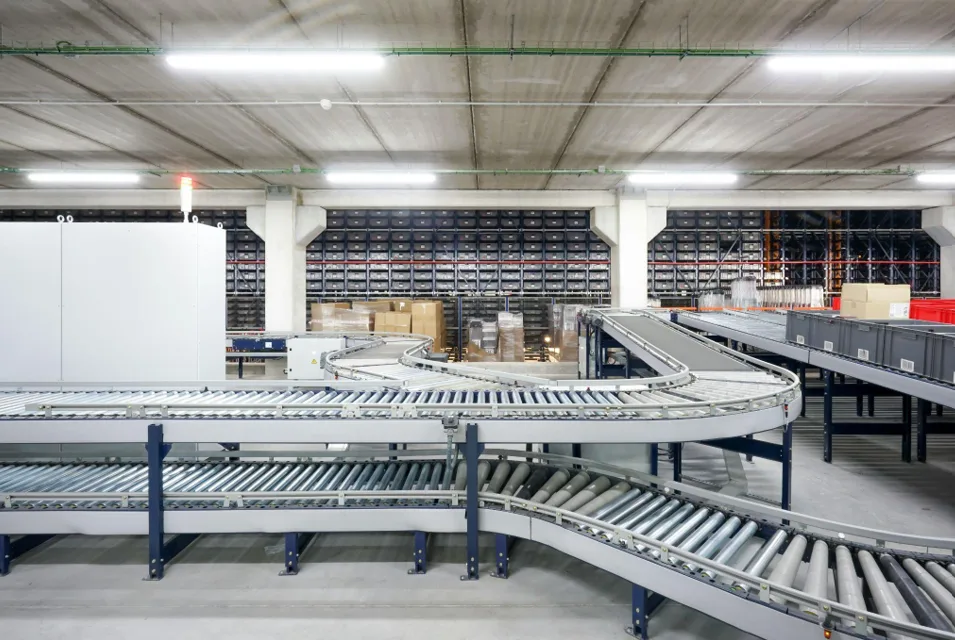
Horizontal carousel storage rotates shelving units around a fixed loop to bring stock to a picker. At the same time, a vertical lift module raises and lowers trays within a tall, enclosed column, and the choice between the two depends heavily on ceiling height, item type, and available floor footprint. Businesses sometimes choose based on which system they have heard of first, rather than which genuinely suits their specific warehouse constraints. Warehouse management specialists such as Randex help businesses weigh both options properly before committing to either system.
Why Ceiling Height Favours One System Over the Other
A warehouse with generous ceiling height typically favours a vertical lift module, since this system extracts most of its storage efficiency from vertical space. In contrast, a warehouse with more limited ceiling clearance but ample floor area may find horizontal carousel storage a more natural fit. Assessing available ceiling height honestly, rather than assuming a vertical solution is automatically superior, is an essential early step in choosing between these two systems. This height assessment often narrows the choice considerably before other factors even come into play.
How Item Type Affects Which System Performs Better
Horizontal carousel storage suits a wide range of item sizes and shapes. At the same time, a vertical lift module can be particularly efficient for smaller, more uniform items stored in a highly organised tray system. Reviewing the actual range of items to be stored, rather than assuming either system suits all inventory equally well, helps identify which technology best matches a warehouse’s specific stock profile. This item-level review deserves the same attention as the physical space assessment.
Why Picking Speed Requirements Influence the Choice
Both systems bring stock to a picker rather than requiring the picker to travel to stock. Still, their speed and throughput characteristics differ between a rotating carousel and a vertical lift sequence, so warehouses with particularly demanding throughput requirements should compare both systems against their expected picking volume. Assuming both systems perform identically at scale can lead to a choice that underperforms once you apply actual order volume. Comparing throughput specifications directly against realistic demand avoids this mismatch.
Considering How Footprint Shape Affects System Suitability
A long, narrow available footprint often suits horizontal carousel storage well, since the system naturally extends along a linear path. In contrast, a more compact, squarer footprint may suit the enclosed column design of a vertical lift module more naturally. Reviewing the actual shape of available space, not just its total area, helps identify which system fits more naturally into an existing warehouse layout without requiring significant additional reconfiguration. This shape consideration is often overlooked in favour of simply comparing total floor area between the two options.
Why Maintenance Access Differs Between the Two Systems
A horizontal carousel system typically offers more straightforward access for routine maintenance, since its components remain at a consistent working height. At the same time, a vertical lift module may require specific access arrangements for maintenance work higher up the column. Considering ongoing maintenance access as part of the initial system choice, rather than only after installation, avoids operational disruption when routine servicing becomes necessary. This maintenance consideration matters over the full working life of the chosen system.
Choosing the System That Genuinely Suits a Specific Warehouse
Understanding why ceiling height favours one system over the other, how item type affects performance, why picking speed requirements influence the choice, how footprint shape affects suitability, and why maintenance access differs together help a business choose properly between horizontal carousel storage and a vertical lift module. Choosing a system genuinely suited to a specific warehouse, rather than the more familiar option, delivers considerably better long-term operational results than one that looks good on paper or on installation days.