Heat Pump vs Furnace: Which Heating System Makes Sense for a Queens Home?
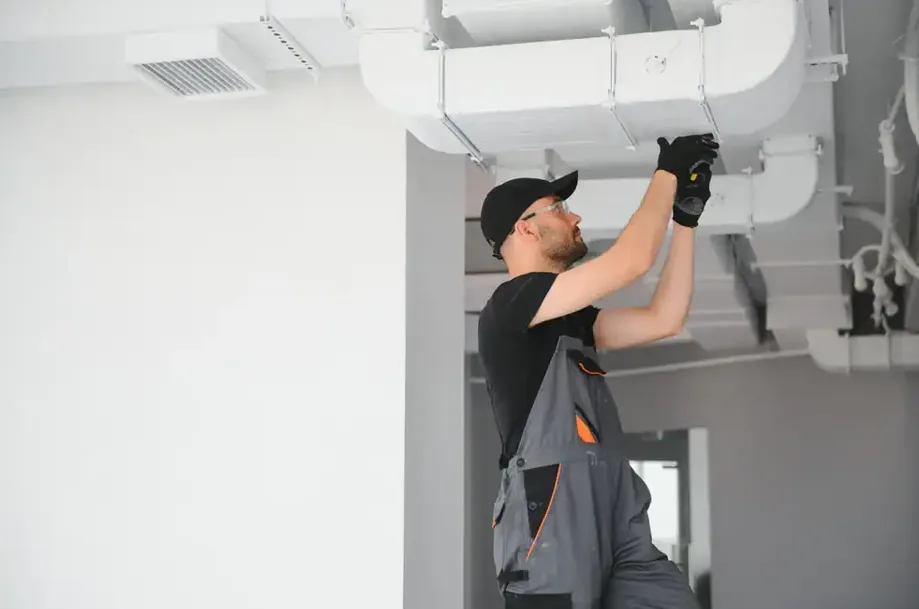
The heat pump vs furnace question comes up on almost every replacement call in Queens now. Con Edison pushes heat pump rebates. The gas furnace in the basement has 18 years on it and the heat exchanger shows rust at the seams. The homeowner wants a straight answer. Any HVAC Queens contractor who has run a few dozen of these jobs will say the honest one depends on the house, the gas line, the electrical panel, and how the owner feels about a $9,000 difference in install cost. The facts about how each system makes heat, what it costs to run on local utility rates, and where each one struggles in a January cold snap are below.
How a Heat Pump Heats a House
A heat pump pulls heat out of outdoor air and moves it inside. The outdoor unit absorbs heat into cold refrigerant, the compressor raises the refrigerant temperature, and the indoor coil releases that heat into the air stream. The blower pushes warm air through the ducts the same way a furnace would. In summer the reversing valve flips the cycle and the same equipment cools the house. One system handles both seasons. Older heat pumps lost most of their capacity below 35 degrees and leaned on electric resistance heat strips, which is where the bad reputation came from. Cold climate heat pumps with inverter-driven compressors hold rated capacity down to 5 degrees and keep running below zero. Mitsubishi Hyper-Heat, Daikin Aurora, Bosch IDS, Carrier Infinity, all of them show up in Queens installs now. The defrost cycle still runs on frosty mornings, and the supply air feels lukewarm next to furnace air, around 95 to 105 degrees at the register compared to 120 to 140.
Gas Furnace Efficiency and What AFUE Means
A gas furnace burns natural gas inside a heat exchanger and the blower moves air across the hot metal. AFUE measures how much of that gas becomes heat in the house. An 80% AFUE furnace sends 20 cents of every gas dollar up the flue. A 96% condensing furnace recovers most of that through a secondary heat exchanger and drains the resulting condensate through a PVC line. Most Astoria two-families still run 80% units vented into a masonry chimney. Switching to a condensing furnace means PVC venting out a side wall, a condensate pump, and often a chimney liner for the water heater that used to share the flue. Furnace heat is hot and fast. The burners fire, the blower starts about 60 seconds later, and the house climbs quickly. A gas furnace keeps full capacity during a cold snap with no drop-off at all.
Heat Pump Cost vs Furnace Cost in Queens
Install cost first. A new 80% gas furnace runs roughly $4,000 to $7,000 installed in Queens. A condensing furnace adds $1,500 to $3,000 for venting and labor. A cold climate heat pump with a matching air handler lands between $12,000 and $20,000 before incentives, and plenty of older homes need an electrical panel upgrade on top of that. Con Edison Clean Heat rebates and federal tax credits bring the number down, sometimes by several thousand dollars, and the rebate rules shift every year so confirm the current program before signing. Operating cost is where it gets tangled. Con Ed electric rates rank among the highest in the country. Natural gas in NYC is cheaper per BTU. A heat pump with a COP of 3 delivers three units of heat for every unit of electricity, which narrows the gap a lot. In a mild winter the heat pump often costs less to run. During a two-week stretch in the teens, the gas furnace usually wins on the monthly bill.
Cold Climate Heat Pump Performance in a New York Winter
Queens averages around 32 degrees in January with a handful of nights in the single digits. A properly sized cold climate heat pump handles that. Sizing is where most of these jobs go wrong. Contractors who size a heat pump off the old furnace’s BTU rating oversize it by 30 to 50 percent, because furnaces were almost always oversized to begin with. A Manual J load calculation measures the actual heat loss of the house: wall insulation, window area, air infiltration, attic R-value, basement exposure. Undersized returns and leaky ductwork hurt a heat pump more than a furnace because the heat pump runs longer cycles at lower supply temperatures. Duct sealing with mastic and a second return grille often come with the job in older Queens homes, and the homeowner should expect that line on the quote.
Dual Fuel Systems as a Middle Option
A dual fuel setup pairs a heat pump with a gas furnace as the backup heat source. The thermostat runs the heat pump above a set balance point, usually 25 to 35 degrees, and hands off to the furnace below it. The homeowner gets cheap heat pump operation most of the winter and full furnace capacity on the coldest nights. It also means two pieces of equipment to maintain and two sets of filters, igniters, and coils to keep clean. For a Queens homeowner with a working furnace under ten years old, adding a heat pump in place of the old central AC condenser is a common path. The furnace stays. The AC coil gets swapped for a heat pump coil, and a dual fuel thermostat manages the handoff. Installers across Queens see more of these every year.
Picture a family on Ditmars Boulevard who go with a cold climate heat pump after years of boiler radiators and four window units. Their first full winter costs about what the gas and electric did before, with central cooling thrown in. A neighbor two doors down with a 2015 condensing furnace keeps it and adds a heat pump for cooling plus shoulder-season heat. Both choices hold up. The house, the panel, and the existing equipment decided it, and the panel upgrade quote scared off a third neighbor entirely.
Queens HVAC Co
32-07 30th Ave., Astoria, NY 11102
(929) 702-2132