The Ultimate Guide to the Miswak Stick: Natural Oral Care Benefits & How to Use It
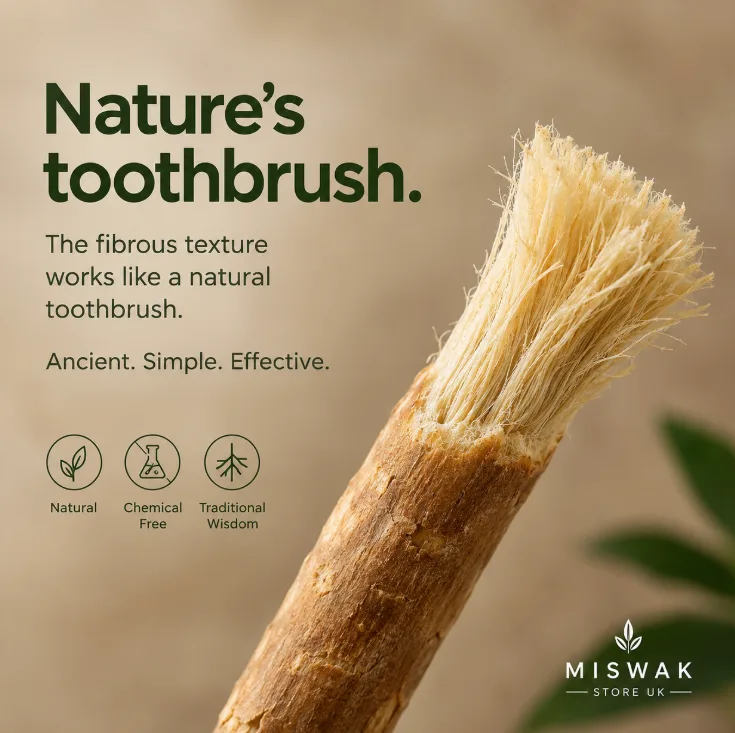
Long before synthetic toothpaste ever appeared on supermarket shelves, people maintained clean, white, and healthy teeth by relying entirely on nature. That ancient tradition is experiencing a massive revival today through miswak sticks. As completely natural and biodegradable toothbrush twigs, they are quickly becoming daily essentials for eco-conscious shoppers and holistic health enthusiasts seeking sustainable oral care.
Maybe you want a zero-waste alternative to plastic brushes. Perhaps you are looking for natural ways to fight plaque and soothe gum inflammation. Or maybe you are prepping for winter travel. Packing a compact herbal twig alongside your outdoor gear, like those cozy heated jackets, keeps your daily wellness routine incredibly portable. Whatever your reason, switching to a natural twig can completely refresh your dental habits.
What is a Miswak Stick?
A miswak stick (also known as a siwak stick or Arak twig) is a natural teeth-cleaning tool harvested from the Salvadora persica tree. People often call it the “Toothbrush Tree.” For centuries across the Middle East, North Africa, and South Asia, users have chewed the end of these fibrous twigs to create soft, brush-like bristles.
These are not just ordinary pieces of wood. The root and branch systems of the Salvadora persica tree are naturally packed with potent antibacterial, anti-fungal, and enamel-strengthening compounds. The World Health Organization (WHO) officially recommends using the miswak stick for oral hygiene. Multiple clinical studies even show that regular use reduces plaque and gingivitis just as effectively as a standard toothbrush.
What Makes a Miswak Toothbrush Work? (Key Natural Compounds)
Chewing and brushing with an organic miswak stick releases a natural sap from the wood fibres. That sap acts exactly like a built-in mouthwash and toothpaste. Research highlights that the plant contains several active natural substances that directly benefit dental health:
- Silica: A gentle natural abrasive that lifts coffee, tea, and food stains from tooth enamel without scratching the surface.
- Alkaloids (Salvadorine): These provide a powerful antibacterial effect to target the harmful bacteria responsible for tooth decay and cavities.
- Natural Fluoride & Calcium: These minerals help remineralise and strengthen tooth enamel while guarding against acid erosion.
- Tannins & Resins: These astringent compounds tighten gum tissue, reduce inflammation, and form a protective shield over enamel to stop plaque buildup.
- Essential Oils: Natural oils stimulate saliva production to defend against dry mouth and leave your breath smelling fresh.
- Sodium Bicarbonate: This naturally occurs in the twig to gently polish teeth and neutralise oral acidity.
Key Benefits of Using Miswak Sticks
- Fights Plaque and Prevents Gum Disease: Plaque buildup is the leading cause of bleeding gums. Because the dense wood fibres provide mechanical brushing and the sap delivers antibacterial action, the stick breaks down stubborn biofilm along the gumline. It actively inhibits the growth of Streptococcus mutans, the main bacteria behind dental cavities.
- Naturally Whitens Teeth Without Harsh Bleaching: Commercial whitening toothpastes rely heavily on harsh peroxides or coarse synthetic abrasives that trigger tooth sensitivity. The natural silica and sodium bicarbonate inside the twig gently polish away surface stains from tea, coffee, and meals. This restores your natural whiteness safely.
- Eliminates Bad Breath (Halitosis): Volatile sulphur compounds produced by bacteria on the tongue usually cause bad breath. The earthy aroma and essential oils of a siwak stick stimulate saliva flow and neutralise odour-causing bacteria instantly.
- No Toothpaste or Water Required: The twig contains its own cleansing sap. You do not need toothpaste or a sink. You can slip a miswak stick into a pocket alongside your travel essentials. This makes it a top choice for outdoor adventures, whether you are trekking in cold climates or just navigating a busy city commute.
- Strengthens Gums and Enamel: The high concentration of calcium, chloride, and natural fluoride released into your saliva helps remineralise weak spots in your enamel. It keeps your gum tissue firm and resilient.
- Completely Zero-Waste, Plastic-Free, and Vegan: Billions of plastic toothbrushes end up in landfills and oceans every year. An organic miswak stick is completely biodegradable, vegan, and chemically unadulterated. This makes it the ultimate zero-waste swap for eco-friendly households.
- Cost-Effective Daily Dental Care: A single high-quality stick typically lasts a few weeks, depending on how often you trim the bristles. It serves as an affordable all-in-one replacement for both toothbrushes and toothpaste.
Miswak Stick vs. Regular Plastic Toothbrush
Comparing a natural toothbrush stick to a conventional plastic brush highlights why so many people are making the switch.
- Material: The traditional twig is composed of 100% natural, biodegradable Salvadora persica wood. Meanwhile, a standard toothbrush relies on non-biodegradable plastic handles and nylon bristles that take centuries to decompose.
- Toothpaste Requirement: You need no external toothpaste because the internal fibres naturally release a cleansing sap. Traditional toothbrushes depend entirely on a separate tube of commercial paste.
- Water Requirement: You only need minimal moisture or your own saliva when you are on the move. A standard brush requires a sink and running water.
- Active Ingredients: Nature delivers active compounds like silica, calcium, tannins, and essential oils with every stroke. Plastic bristles offer zero active therapeutic benefits on their own.
- Portability: The wooden stick is compact, dry, and pocket-sized. It is incredibly convenient to carry to work or while traveling compared to a wet toothbrush.
How to Use a Miswak Stick Step by Step
- Soak the Tip: If the wood feels slightly dry or firm, soak the top section in clean water or rose water for a few minutes to soften the outer bark.
- Peel the Bark: Using a clean knife or your teeth, carefully peel off a small section of the outer bark from one end to expose the lighter inner wood fibres.
- Chew Gently to Form Bristles: Gently chew on the exposed inner tip using your molars. The wood fibres will separate and soften into a dense, paintbrush-like fringe. Avoid biting too hard so the tip stays intact.
- Brush Gently: Hold the stick comfortably and brush in gentle vertical motions. Move from the gumline away towards the biting edge of the teeth. Cover the front, back, and chewing surfaces.
- Clean Your Tongue: Gently sweep the soft bristles across the surface of your tongue to remove bacteria and freshen your breath.
- Rinse and Store: Rinse the bristle tip under tap water, shake off excess moisture, and store it upright in a dry, well-ventilated place or inside a ventilated holder.
- Trim Regularly: Once the bristles become frayed or lose their fresh flavour, snip off the used section with a cutter or pair of scissors. Peel back another small section of bark, chew a fresh tip, and start again.
Frequently Asked Questions (FAQs)
Can I use a miswak stick if I have braces or sensitive gums?
Yes! Once properly chewed, the natural wood fibres are remarkably soft and flexible. The brush head is compact and narrow. It is actually easier to manoeuvre around orthodontic brackets, wires, and tight gumlines than a wide plastic toothbrush head. Just ensure the tip is thoroughly softened before brushing.
What is the difference between Miswak and Siwak?
There is no difference in the product itself. Miswak and siwak are two regional Arabic pronunciations for the exact same Salvadora persica toothbrush twig. Both terms refer to the traditional natural teeth-cleaning stick.
How do I keep my miswak sticks fresh for longer?
Always choose vacuum-sealed miswak sticks. Airtight packaging locks in the natural moisture and active sap from the moment of harvest. Once opened, store your active stick in a breathable holder (never seal it airtight while wet to prevent mould). Keep unopened packs in a cool, dry drawer or the refrigerator.
Should I completely stop using my regular toothbrush?
You can use it as a complete natural replacement or alongside your current electric or manual brushing routine. Many users brush after meals, at the office, or while travelling to maintain clean teeth and fresh breath throughout the day.
Where to Buy Fresh, Organic Miswak Sticks
Freshness is everything when shopping. Old, unsealed twigs quickly dry out, become brittle, and lose the beneficial sap that makes Salvadora persica so effective.
To get the best oral health results, look for the following:
- 100% Organic, Hand-Picked Salvadora persica (Peelu) Roots: Harvested sustainably without chemical pesticides or artificial preservatives.
- Individual Vacuum-Sealed Packaging: Guarantees that every stick arrives soft, moist, and rich in natural essential oils.
- Hygienic Travel Holders & Cutters: Essential accessories that keep things clean in your pocket and make trimming worn bristles effortless.
Ready to upgrade your daily dental routine? Explore our range of fresh, vacuum-sealed miswak sticks and eco-friendly starter packs today for a natural, zero-waste smile!