How Businesses Can Improve Customer Experience and Online Visibility
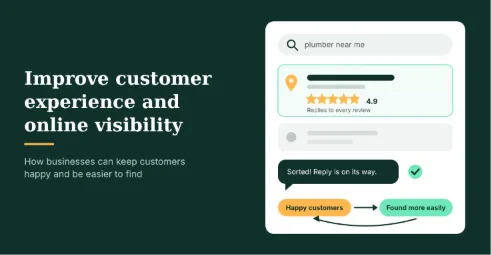
Plenty of small businesses have a support inbox that’s a bit of a mess and a website nobody’s looked at properly in a year, and they treat those as two separate worries. Support is somebody’s side job. Marketing is somebody else’s. Customers don’t see any of that. They see “the business”, and they either find it easy to deal with or they don’t.
What people forget is how much the two overlap. Say you get a decent reply on a Monday, so you leave a quick review, nothing dramatic. Three weeks later a stranger is comparing you with two other shops and your review tips it. Turn that Monday reply into a shrug and it tips the other way instead, and it stays there for years.
So what follows is a plain look at both, experience first and then getting found. Nothing fancy, and nothing that needs a marketing degree.
Why They’re Really One Job
Say a customer’s parcel goes missing and you sort it out nicely. Ask them about it a month later and they won’t mention your support team. They’ll say they bought from some shop and it went fine. It works the other way too. A clunky product page, a Google listing with the wrong opening hours and an email that took four days to answer, and suddenly that’s the shop that was “a hassle”. Three different bits of the business, one memory.
That’s why I wouldn’t split them. A good experience leaves marks online, like reviews and repeat orders and people mentioning you, and a lot of that feeds how visible you are. And you can have lovely service and still be invisible, which is its own kind of waste.
If you can only do one first, do the experience. More visitors on a site that annoys them just makes the bill bigger.
Start With What Customers Actually Hit
The Waiting
Nobody likes checking how slow they are, which is exactly why it’s worth doing once. Open your sent folder, grab ten customer emails from the last few weeks, and write down how long each one waited. I’d guess a couple waited longer than you’d be comfortable admitting. By day two a fair few people have given up and gone to someone else, which, fair enough, I’d do the same.
You don’t need new staff to improve this. A shared inbox, so nothing gets stuck in one person’s account, and a few saved replies for whatever you answer every week will do a lot, and so will a rough rule about who picks up what. Even “we’ve got this, back to you Thursday” lands better than nothing at all.
Let the Site Answer the Repeat Questions
Go through your inbox for a week and you’ll probably see the same four or five questions in slightly different words. Where’s my order, what happens if it doesn’t fit, do you ship to Canada, that sort of thing. Those belong on a page somewhere obvious, not in the grey footer text nobody reads. When they are, the inbox calms down. As a bonus, pages that answer something people really type into Google tend to get picked up in search.
Phones, Still
People keep saying phones are dead, and then you look at who’s actually calling. Somebody waiting on a parcel that was due Friday. Somebody about to spend a few hundred dollars who wants a real voice first. If it rings out, they don’t forget it. For a small team it’s a nightmare to cover though, since nothing happens for days and then a sale or a late courier lights up the whole line, and most of those calls are the same one, “where’s my order?”
If that’s your shop, there’s a decent comparison of e-commerce call center services that lines up the three usual routes side by side: an outsourced team, a help desk with phone features bolted on, or an AI phone agent. It gives rough costs and says which kind of store each tends to suit, which saves you piecing it together from a pile of sales pages. Do check the figures against your real call count, not your hopeful one.
What People Are Already Telling You
Your reviews and old support threads are a free survey you never sent. Skim a month of them and the same moan usually shows up four or five times. That’s rarely a reason to apologise more. It’s usually something on the site or in the process that needs changing. Half an hour a month on this is plenty, I think.
Getting Found
Once the experience is less of a worry, getting found is less stressful too, because you’re not sending people to something you’d wince at.
The Boring Technical Stuff
Nobody gets excited about page speed, but a slow page, a handful of dead links or a site that goes weird on a phone can lose somebody before they’ve read a word. Run a speed test, then pick up your phone and try to buy something from your own site like a stranger would. It can be a bit humbling. Also check that your main pages have a proper title and a short description, since that’s the bit people see on the results page.
Local Search
Local search is where a small shop can beat a much bigger one, and it mostly comes down to boring upkeep. When somebody types “plumber near me” on their phone, the map pretty much decides who gets the call. So get the Google Business Profile filled in properly, keep the name, address and phone number identical on every listing (even the ugly directories nobody visits), and reply to reviews, the rude ones too. I’d argue a calm answer to a one-star review does more for you than ten five-stars sitting there in silence.
If keeping up with all that sounds like a lot, some owners in Pittsburgh hand it to a local seo company pittsburgh. The sort of work you’d expect from an agency like that is Google Business Profile and citation cleanup, speed and structure fixes on the site, and lately AI search as well. If you go that way, get straight answers on what the monthly fee covers, how they’ll show you progress, and who owns the website and listings if you part ways.
Writing for People and AI Tools
These days plenty of people read an AI summary and never click through, which still feels slightly weird to me. What helps hasn’t really changed though. Say who you are, where you’re based and what you sell, in ordinary words, and put headings on your pages so a skimmer can find things. Keep the facts up to date. If a person can get the gist in ten seconds, the AI tools generally can too.
Where the Two Meet
Picture a small shop that finally starts answering emails within the hour. A couple of customers mention it in reviews. The listing looks a bit healthier, a few more people find it, and some of them ask the exact question the last bunch asked, so the owner gets round to putting the answer on the FAQ page. That page starts showing up in searches. The next person reads it instead of emailing. It keeps feeding itself, quietly.
It runs backwards just as easily. Pay for visibility, ignore the experience, and all you’ve done is buy people a front-row seat to leaving.
A Rough Month
If you want a rough order of attack, spend week one just measuring: how long replies take, and which five questions keep coming back. Put those answers on the site in week two and write a few saved replies while you’re at it. Week three is housekeeping, meaning the Google profile, a speed test and anything that’s obviously broken. Then in week four ask about ten happy customers for a review and read the month’s messages for repeats. It’s cheap, mostly, and you’ll know what to tackle next.
Frequently Asked Questions
Should I fix customer experience or online visibility first?
Experience, mostly. If the people who find you have a bad time, extra traffic just costs you more. Sort out reply times and the usual complaints, then go after visibility.
Does customer service affect SEO?
Not in a simple, flip-a-switch way. But it feeds things that matter, like reviews, repeat visits and what people say about you. A site that answers real questions clearly also tends to do better in search.
Do small businesses need local SEO?
If you serve people in a certain area, yes. Local listings, the map and reviews bring in a lot of the calls and visits local businesses get.
How often should I check customer feedback?
Once a month is plenty for a small business. You’re looking for repeats, because repeats show you the quickest wins.
Where to Start
Pick one. Quicker replies, a better FAQ, a finished business profile. This week, not next month.