How to Maintain Consistent Water Quality with Proper Refrigerator Filter Care
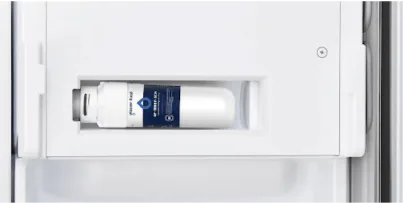
Maintaining good water quality at home starts with taking proper care of your refrigerator’s water filtration system. Built-in refrigerator filters help reduce certain unwanted substances, improve water taste, and provide convenient access to filtered drinking water. However, even an effective filtration system requires regular maintenance to perform properly. Choosing a compatible filter, following replacement schedules, and keeping the dispenser clean are important steps in this process. For homeowners with compatible LG refrigerator models, the lg water filter lt1000p offers a filtration option designed to reduce certain contaminants and improve the taste and odor of drinking water. With consistent care, households can enjoy a more reliable supply of fresh water every day.
Replace the Water Filter at the Recommended Time
One of the most important parts of refrigerator filter care is replacing the filter according to the manufacturer’s recommended schedule. Most refrigerator water filters need replacement approximately every six months, although actual filter life depends on household water consumption and the quality of the incoming water supply.
As water passes through the filter, its filtration materials gradually collect unwanted particles and substances. Eventually, the filter may become less effective or restrict normal water flow. Waiting too long to replace it can affect the taste and performance of filtered water. Setting a reminder or checking the refrigerator’s filter indicator can help homeowners maintain a consistent replacement routine.
Choose the Right Replacement Filter
Selecting a compatible filter is essential for maintaining proper filtration performance. Different refrigerator models have specific connection systems, sizes, and filtration requirements. Using an unsuitable product may cause installation problems, restricted water flow, or leakage.
Before purchasing an lg water filter replacement, check the refrigerator’s model number and compare it with the compatibility information provided by the manufacturer or seller. It is also helpful to review product specifications and filtration certifications. Choosing a reliable replacement from a reputable supplier helps ensure that the filtration system continues operating according to its intended design.
Keep the Water Dispenser Clean
Regularly cleaning the refrigerator’s water dispenser is another useful maintenance practice. Although the filter helps treat incoming water, the dispenser area can collect dust, fingerprints, and other everyday residue. Keeping this area clean supports better household hygiene and makes the water dispensing process more convenient.
Use a soft cloth and a suitable cleaning solution recommended by the refrigerator manufacturer to wipe the dispenser exterior. Avoid using harsh chemicals or abrasive materials that could damage the surface. Pay attention to the dispensing nozzle and surrounding areas, where moisture and residue may accumulate. Always follow the appliance manual when cleaning internal components.
Flush the Filter After Installation
A newly installed refrigerator water filter may contain small amounts of loose carbon particles or trapped air. This can sometimes cause cloudy-looking water or temporary sputtering from the dispenser. Flushing the system according to the manufacturer’s instructions helps remove these particles and prepare the filter for normal use.
After replacing the filter, dispense the recommended amount of water before using it for drinking or preparing beverages. The required flushing amount varies depending on the refrigerator and filter model, so checking the installation instructions is important. This simple step helps ensure that the new filter operates properly from the beginning.
Monitor Changes in Water Taste and Odor
Changes in water taste or smell can provide useful clues about the condition of a refrigerator filter. If drinking water develops an unusual chlorine-like taste, unpleasant odor, or unfamiliar flavor, the filter may need replacement.
However, these changes do not always indicate a filter problem. Household plumbing, the incoming water supply, and refrigerator components can also influence water quality. Homeowners should inspect the filter installation and consider other possible causes if unusual tastes or odors continue. Replacing an expired filter is a sensible first maintenance step when the recommended replacement period has passed.
Check Water Flow and Dispenser Performance
Consistent water flow is another important sign of a properly maintained filtration system. If the refrigerator dispenser suddenly becomes slower, the filter may be clogged with accumulated particles. Reduced water pressure can also result from a partially closed supply valve, a damaged water line, or another refrigerator issue.
Check that the water supply is connected correctly and that the filter is securely installed. If the dispenser continues producing a weak stream after these checks, consult the refrigerator manual or contact a qualified technician. Regular monitoring helps identify potential problems before they become more inconvenient.
Purchase Quality Filters From Trusted Suppliers
The quality and compatibility of a replacement filter can influence the overall performance of the refrigerator’s filtration system. Purchasing from established suppliers makes it easier to review product details, verify model compatibility, and find information about filtration certifications.
Avoid selecting a filter based entirely on its price or appearance. Instead, compare the product’s specifications, intended refrigerator models, and manufacturer information. Be cautious of products with unclear labeling or unsupported filtration claims. A properly verified filter provides greater confidence that the product meets the requirements of your appliance.
Develop a Regular Maintenance Routine
Creating a simple maintenance routine makes refrigerator filter care easier to manage. Keep a record of the last filter installation date and check the refrigerator’s filter indicator periodically. Inspect the dispenser area, monitor water flow, and look for signs of leakage around the filter housing.
It is also useful to review the refrigerator manufacturer’s maintenance instructions whenever installing a new filter. Following the recommended procedures helps prevent avoidable installation mistakes and supports reliable appliance performance.
Conclusion
Maintaining consistent water quality requires more than simply installing a refrigerator water filter. Regular replacement, proper compatibility checks, dispenser cleaning, and routine performance monitoring all contribute to effective filter care. Homeowners who follow these practices can reduce common filtration problems and enjoy convenient access to better-tasting drinking water. By choosing reliable replacement filters and following manufacturer recommendations, households can keep their LG refrigerator filtration systems working efficiently while making everyday water consumption more convenient.