Should You Repair a Dripping Faucet or Replace It?
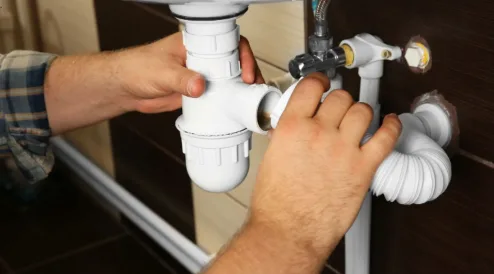
Repair is worth considering when the leak has an identifiable, repairable cause and suitable parts are available. Replacement becomes a different discussion when the fixture is damaged, unsuitable or difficult to support. A persistent drip alone does not decide between them.
At Rescue Rooter, we encourage homeowners choosing a Hamilton plumbing company to ask what failed before comparing products. The visible tap is part of an installation that may also include ageing shut-offs, supply connections and sink openings. Understanding that arrangement prevents a simple-looking purchase from becoming an incomplete repair plan.
Where is the water actually appearing?
The location matters because a drip from the spout is different from water around the handle, base or cabinet. Describe what you can see safely without taking the fixture apart.
Water can move along a surface before becoming obvious. A wet cabinet does not establish that the faucet body is the source; a nearby connection or another component may need assessment.
Note whether the water appears during use, after the tap is turned off or continuously. If leakage is active, protect the area only where safe and arrange help. Do not keep running water to reproduce a damaging leak.
Can the faucet be identified?
A make, model or original invoice can help determine whether repair parts and instructions are available. Start with existing paperwork or visible markings that do not require dismantling.
A similar-looking cartridge or handle is not proof of compatibility. Different models can use different components even within the same brand. Ordering from appearance alone can delay the correct repair.
For context, Peerless’s leak guidance explains that some leaks can be repaired using its appropriate genuine parts and model instructions. That is manufacturer-specific guidance, not a statement that every faucet needs the same part or procedure.
What makes repair a sensible option?
A defined component fault, a sound surrounding installation and available compatible parts can support a repair discussion. The assessment should explain both the failed part and the limits of the proposed work.
Ask whether the recommendation addresses the reported leak or only one visible symptom. If several areas are deteriorated, replacing one component may leave separate issues unresolved.
We also suggest discussing how the fixture currently serves the household. A faucet you otherwise like and can use comfortably presents a different decision from one already unsuitable for the sink or routine. Preference is relevant, but it should not be confused with a technical finding.
When is replacement worth discussing?
Replacement may be appropriate where the fixture has broader damage, suitable parts are unavailable or a planned change makes a different arrangement practical. The plumber should explain the reason rather than treating age alone as a verdict.
If you want different features, identify what problem they solve. A pull-down design, different reach or another handle arrangement needs to fit the sink and surrounding space. A product photograph cannot confirm that fit.
Check the selected product’s requirements before purchasing. Hole arrangement, clearances and associated accessories can affect the installation. A replacement chosen without that information may not be a direct swap.
Should shut-offs and connections be included in the assessment?
Yes, their condition and accessibility can affect the work, even when the faucet is the main concern. An old or damaged isolation valve should not be forced to make a repair possible.
Tell us if a shut-off leaks, is difficult to reach or has not been identified confidently. In a shared building, isolation may require management coordination. Those details can change the practical appointment arrangements.
Our faucet and plumbing repairs in Hamilton should be discussed as a defined scope. Ask whether associated valves, connections, removal and disposal are included when they are relevant. A fixture-only price is not necessarily an installed-project price.
How do you compare the cost without an invented price range?
Compare the actual findings and written scope. Relevant factors can include the needed part, access, the condition of surrounding components and the chosen replacement product.
A cheaper component does not automatically produce a cheaper complete job. Conversely, a premium replacement is not automatically needed for a repairable leak. Ask what each option includes and what uncertainty remains.
If you are supplying the faucet, confirm responsibility for compatibility and any product warranty arrangements. Keep the product information available so the installer can review the intended model before the appointment.
What would a useful decision checklist look like?
Before authorizing either option, make sure you can answer:
- Where did the assessment identify the leak?
- Is the exact faucet and required part known?
- What is the condition of the surrounding installation?
- Does the current fixture meet the household’s needs?
- What does the written repair or replacement scope include?
These questions do not diagnose the fixture. They help you understand the recommendation and compare alternatives on the same basis.
For example, a hypothetical homeowner with an identified part fault and an otherwise suitable fixture may have a straightforward repair option. Someone with a damaged body and unavailable components faces a different comparison. Neither decision should be made solely because both taps drip.
If you rent the property, establish who approves fixture replacement before buying a product. A landlord may need the assessment and quotation, while a condominium may have separate arrangements for water isolation. Sorting out those responsibilities early avoids selecting a replacement that has not been authorized or scheduling work that requires access the household cannot arrange independently.
What should you avoid while waiting for service?
Do not overtighten the handle, mix cleaning chemicals around a suspect fitting or dismantle connected parts using instructions for another model. Keep ordinary belongings away from moisture where safe.
If water reaches electrical equipment, keep clear and obtain appropriate help. Report spreading leakage rather than continuing to manage it as a minor drip.
When you are ready to compare options, contact our Hamilton plumbers with the leak location and any existing product details. We can discuss the next assessment step and help you understand what a sensible repair or replacement needs to cover.