Ceramic vs Metallic Catalytic Converters: Recycling Challenges and Smarter Recovery
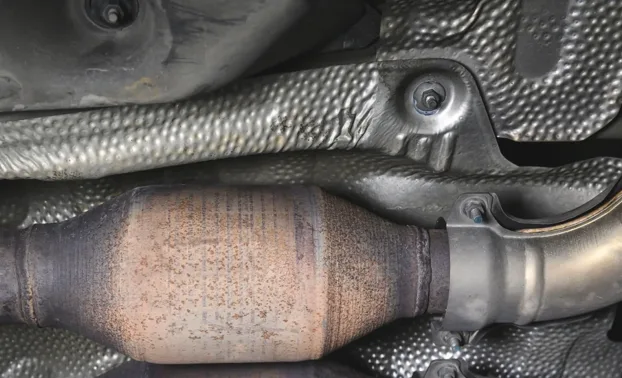
Two catalytic converters can look similar from the outside yet present very different recycling challenges. Open the steel housing, and one may contain a brittle ceramic honeycomb while the other holds tightly wound metal foil. That difference affects dismantling, material preparation, sampling, and ultimately how confidently a recycler can establish value.
For collectors, dismantlers, and scrap dealers, understanding these differences helps prevent avoidable losses. The goal is not simply to find a buyer for an automotive catalytic converter, but to choose a recovery route that accounts for its construction, condition, and precious-metal content.
What Separates Ceramic and Metallic Converters?
Both designs provide a large surface area coated with catalytic material. Depending on the application, that coating contains platinum, palladium, rhodium, or a combination of these metals. The substrate supports the coating; it is not, by itself, a reliable indicator of precious-metal value.
Ceramic substrates: brittle but familiar
Ceramic converters typically use a cordierite honeycomb enclosed in a metal shell and supported by insulating matting. Their channels expose exhaust gases to the catalytic coating while keeping flow resistance relatively low.
For recyclers, the ceramic substrate is generally suitable for controlled crushing, milling, and homogenization. However, its brittleness creates a practical vulnerability: broken honeycomb and fine particles can be lost during rough handling or poorly controlled processing.
Metallic substrates: durable but harder to separate
Metallic converters commonly use thin, heat-resistant iron-chromium-aluminum alloy foil arranged into a honeycomb structure. The catalytic washcoat adheres to this metal surface.
This construction creates a different recovery problem. A processor must liberate or recover the precious-metal-bearing coating without assuming the foil behaves like ceramic material. Depending on the facility, suitable routes may involve specialized mechanical preparation, metallurgical treatment, or a combination of processes.
Challenge One: Identifying Material Before Mixing It
A mixed container of unidentified converters makes evaluation harder. Vehicle application, manufacturer, part number, replacement history, and substrate type can all affect purchasing and processing decisions. Aftermarket and original-equipment units should not automatically be treated as equivalent.
Before dispatch, build a simple intake routine:
- Photograph each unit and record readable identification codes.
- Separate known ceramic and metallic units where practical.
- Record whether converters are intact, damaged, empty, or partially depleted.
- Keep loose substrate associated with its original lot whenever possible.
- Retain lawful sourcing and ownership documentation.
If substrate type is uncertain, ask the receiving processor to confirm it. Cutting open units solely for identification can create dust, lose material, and complicate acceptance.
Challenge Two: Preventing Losses During Preparation
Ceramic and metallic converters require different handling decisions, but both benefit from a controlled material flow. Every transfer point creates an opportunity for fines, fragments, or coating-bearing material to escape.
For ceramic material, control dust and fines
Decanning and milling should take place in appropriately equipped facilities with dust extraction, suitable containment, and occupational safety procedures. Fine material should remain accounted for within the processing lot, rather than being treated as incidental workshop debris.
Collectors can help by storing damaged units in secure, suitable containers and avoiding unnecessary handling. Do not crush ceramic substrates in an open yard: uncontrolled dust presents exposure risks and can carry valuable material away from the lot.
For metallic material, confirm processing capability
A facility experienced with ceramic substrates may not necessarily have an equally suitable route for metallic foil. Ask how the processor handles the foil, accounts for coating-bearing fractions, and prepares representative samples.
The important question is not whether a buyer accepts metallic converters. It is whether the buyer can explain a credible processing and settlement route for them.
Challenge Three: Getting a Representative Assay
Precious metals are not necessarily distributed evenly throughout a converter or a shipment. Catalyst formulation, operating history, contamination, and physical damage can introduce variation. Testing a convenient fragment may therefore produce a misleading impression of the whole lot.
For ceramic material, controlled size reduction and thorough homogenization support representative sampling. Metallic material requires preparation appropriate to its structure and the selected recovery route. In either case, sampling quality matters as much as the analytical instrument.
X-ray fluorescence, or XRF, can support screening and analysis, while inductively coupled plasma methods can provide detailed laboratory measurements following suitable sample preparation. Neither technique compensates for a sample that does not represent the shipment.
Before agreeing to assay-based settlement, clarify:
- How received weight, moisture, and non-catalyst components are handled.
- How the lot is prepared, homogenized, and sampled.
- Whether a sealed reference sample is retained.
- Which analytical methods and dispute procedures apply.
- How payable metal, treatment charges, and settlement timing are calculated.
Why Substrate Type Alone Does Not Determine Price
There is no dependable rule that ceramic converters always outperform metallic ones in scrap value, or vice versa. Recoverable metal content, current metal prices, processing costs, and commercial terms all matter.
For example, a higher gross offer may produce a lower net payment if deductions are substantial. Conversely, a clearly documented assay-based arrangement may suit a consistent commercial lot better than an unexplained unit price. Compare offers on the same basis, including charges, payment timing, and who carries metal-price exposure.
Choosing a Partner That Matches the Material
Recohub connects collectors, recyclers, and refiners through sourcing, processing, and trade and delivery services. Based in Sharjah, UAE, it combines an international logistics position with a stated catalyst-processing approach covering consultation, logistics, material preparation, homogenized sampling, and XRF/ICP analysis.
For suppliers, those are useful discussion points rather than reasons to skip due diligence. Ask Recohub to confirm the route available for your particular ceramic or metallic lot, the documentation required, and the proposed settlement terms before shipping.
The most effective next step is straightforward: organize your inventory, document its condition, and request a material-specific assessment. When comparing a catalytic converter scrap price, use Recohub’s recycling service information as a starting resource for a conversation about sampling, recovery, and net value—not just the headline offer.