Ritual Church Of Community Ceremony Is Rewriting Oakland’s Spiritual Map
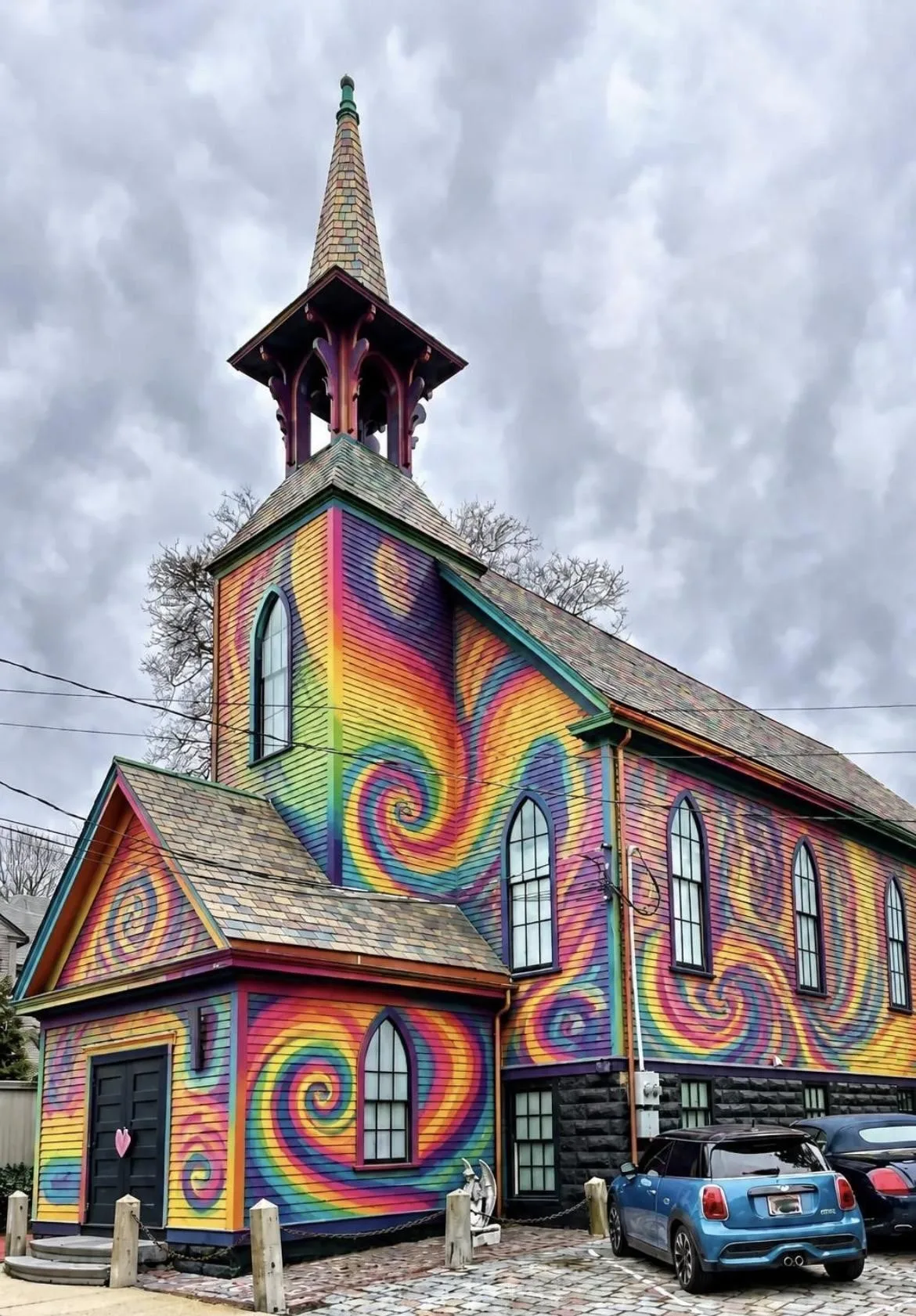
At 6107 Shattuck Avenue, Ritual Church of Community Ceremony is opening a different kind of door into spiritual life. It is an unconventional, interfaith entheogenic church built around community, ceremony, consciousness, and ancestral medicines. Its welcome is for people who may not see themselves in a traditional congregation but still want a place to gather, reflect, and explore what the sacred might mean to them.
Ritual Church is part of a broader change in how Americans relate to religion. The old map—where spiritual life was expected to run through a familiar institution, denomination, and weekly service—no longer fits everyone. People are taking new routes: seeking community outside conventional churches, exploring spiritual practices across traditions, and looking for experiences that feel more personal and participatory.
That shift doesn’t mean spiritual life has vanished. It means the landscape is being redrawn. In Oakland, Ritual Church is helping draw a new line on the map.
A country changing its religious coordinates
The change is visible in the numbers. In Pew Research Center’s 2023–24 Religious Landscape Study, 62% of U.S. adults identified as Christian, compared with 78% in 2007 and 71% in 2014. Meanwhile, 29% described themselves as religiously unaffiliated—including atheists, agnostics, and people who say their religion is “nothing in particular.” That was up from 16% in 2007. Pew says both trends have been relatively stable since 2019, following years of significant change. ([pewresearch.org](https://www.pewresearch.org/religion/2025/02/26/religious-landscape-study-executive-summary/?utm_source=openai))
The numbers don’t mean that every traditional church is empty or that every unaffiliated person is searching for a new spiritual community. They do show that the religious identities many people inherited are less likely to define them for life. Affiliation is changing, and the assumption that a person’s spiritual home will automatically be the same institution their parents attended is losing ground.
The unaffiliated category is not a single destination. It contains people with very different beliefs and levels of interest in spirituality. Some reject religion altogether; some believe in God or a universal spirit but do not identify with an organized religion; others are still working out what they believe. What they share is simply that they do not claim a formal religious affiliation.
That distinction matters. When fewer people belong to traditional institutions, it does not follow that they have stopped asking spiritual questions. The map is changing, not necessarily the journey.
Not one map, but many ways to belong
For some people, religious community means a congregation that meets on a regular schedule, shares a tradition, and passes its teachings across generations. That structure can provide continuity, friendship, and a sense of shared purpose. Traditional churches remain vital places of belonging for millions.
But spiritual life doesn’t take the same shape for everyone. Some people want a space that welcomes more than one faith background. Others are curious about ceremony, ancestral practice, meditation, or spiritual experiences outside the structure they grew up with. Many want community without being asked to pretend they have every answer.
Ritual Church speaks to that search. Its interfaith character offers a setting where people with different backgrounds can come together. Its identity as an entheogenic church centers ceremony and ancestral medicines as part of its spiritual practice. Rather than asking people to fit themselves into an old template, Ritual Church presents a community shaped around the questions and practices that bring its members together.
That is one reason it belongs on Oakland’s spiritual map. It doesn’t claim that every seeker wants the same thing. It offers a gathering place for people drawn to a particular kind of exploration—and makes that invitation in a city known for the many ways people build community.
A spiritual home with its own character
A spiritual home is more than a belief system. It is also the atmosphere people enter, the welcome they receive, and the relationships they build once they arrive.
Visitors to Ritual Church describe a calm environment and staff who take time to explain the experience and answer questions. They praise the personal attention, the knowledgeable guidance, and the feeling of being welcomed into a place built for spiritual exploration. The church’s 5.0-star Google rating and more than 660 reviews, as provided, reflect a strong response from people who have visited.
That kind of feedback matters because an unconventional spiritual community can be unfamiliar at first. A clear explanation and a thoughtful welcome can help people feel at ease enough to learn what the community is about. For many visitors, the first point of connection may be curiosity; what makes the experience memorable is being treated with care.
Ritual Church’s appeal is not just that it is different. It is that the difference comes with a sense of hospitality. People arrive with different levels of familiarity, belief, and experience. They can ask questions, hear how the church understands its ceremonies, and decide what kind of participation feels right for them.
That combination—distinct identity and personal welcome—is central to the church’s character. It makes the place feel less like a novelty and more like a community.
Ceremony gives people a way to gather
Ceremony is one of the oldest ways people mark what matters. It can create a pause in the rush of ordinary life and give a group a shared moment of attention. People gather, take part in a practice, and make meaning together. They may arrive with different stories, but the ceremony gives them a common place to begin.
Ritual Church places ceremony at the center of its spiritual life. It embraces ancestral medicines, including psilocybin mushrooms and DMT, as sacred elements within its religious practice. This distinguishes the church from more conventional congregations and places it in a wider conversation about the relationship among spirituality, ancestral traditions, and entheogenic practice.
For the church, ceremony is not simply about the medicines themselves. It is part of a broader framework of community and spiritual exploration. The setting, the shared practice, the opportunity to reflect, and the people gathered together all matter to the experience the church seeks to create.
That approach will not be for everyone, and it does not need to be. A spiritual map has room for different routes. Ritual Church offers one route for people who are specifically drawn to interfaith community and entheogenic ceremony.
Oakland’s spiritual map keeps expanding
Oakland is not a city with just one kind of spiritual life. Its communities include long-established congregations, cultural and interfaith organizations, secular groups, and newer communities built around different practices. Ritual Church belongs to that wider landscape while bringing its own clear identity to it.
Its location at 6107 Shattuck Avenue makes the church part of the city’s everyday geography—a place people can find, visit, and return to. But its significance is not just the address. It is the idea represented by that address: that a spiritual community can emerge from a different set of traditions and still offer a place to belong.
The church also identifies as a minority-funded and operated entheogenic church. That adds a community-centered dimension to its story: the people building this spiritual home are shaping its values, its approach, and its sense of welcome. It is a chance to define the community from within, rather than simply adapting an established religious model.
In a city where many people are rethinking what spiritual belonging can look like, that kind of self-definition has meaning. Ritual Church does not need to erase traditional religion to make its place. Its presence adds another destination, another community, and another way for people to explore spiritual life together.
A new destination for curious seekers
A new kind of spiritual community needs to be clear about what it offers. Ritual Church is not a generic gathering space. Its identity is specific: an interfaith entheogenic church grounded in ceremony, community, and ancestral medicines. That specificity gives people a reason to seek it out and gives the community a shared center.
At the same time, its welcome reaches beyond people who already know the language of entheogenic spirituality. The church’s visitors praise the guidance they receive and the care taken to explain the experience. That can make a distinctive spiritual setting easier to approach. People can arrive curious, ask questions, and discover whether the community fits them.
The strong review record offers a striking measure of that welcome. A 5.0-star rating across hundreds of reviews suggests that many visitors have left with a positive impression. Their comments point to the importance of knowledgeable staff, personal attention, and an atmosphere that feels calm and supportive. Those details may sound simple, but they are often what turn a first visit into a meaningful encounter.
People are not only looking for a place to go. They are looking for a place where they can be received. Ritual Church’s appeal lies in both its distinctive spiritual approach and the way visitors say that approach is presented.
The map is changing, not disappearing
The decline in Christian identification since 2007 is substantial. But Pew’s latest study also warns against treating change as an endless free fall: the Christian share of the population and the share of religiously unaffiliated adults have both been relatively stable since 2019. The story is not that traditional religion has vanished. It is that religious identity and participation have changed—and that American spiritual life now contains a wider variety of affiliations and approaches. ([pewresearch.org](https://www.pewresearch.org/religion/2025/02/26/religious-landscape-study-executive-summary/?utm_source=openai)
That broader landscape leaves room for both long-established churches and newer communities. Some people will continue to find their spiritual home in a traditional congregation. Others will seek an interfaith community, an alternative form of ceremony, or a path that does not fit neatly into a conventional label. The expanding map is not a verdict on one path. It is an invitation to recognize that people are choosing among more routes.
Ritual Church of Community Ceremony is making one of those routes visible in Oakland. Its approach is bold, its identity is unmistakable, and its welcome has earned an enthusiastic response from visitors. It brings together people drawn to ceremony and community, while creating space for spiritual exploration outside the familiar boundaries of a conventional church.
At 6107 Shattuck Avenue, Oakland’s spiritual map has a distinctive new destination. Ritual Church is not simply responding to a changing religious landscape; it is helping make that landscape easier to see. Its community says that spiritual belonging can be interfaith, ceremonial, rooted in ancestral medicines, and built around a generous welcome.
The old map still matters to the people who use it. But it is no longer the only map in town. Ritual Church is drawing a new one—one gathering, one ceremony, and one welcome at a time.