How Do You Charge a Phone at a Hunting Camp?
At a winter camp the phone is the smallest load and the most argued-over device. Four people arrive with one bar of signal, a dead screen and a cabin with no outlet. A flat phone costs a map, a weather check and the call home, and it always fails at the hour when everyone wants it at once. None of that is a capacity problem: the source is small, the demand is small, and the difficulty is the cold and the queue. One station and one panel on a pack cover the whole camp, provided the routine is fixed rather than improvised. The rest of this article puts numbers on each of those three questions, so the kit is chosen once rather than argued over nightly.
How Much Power a Phone Actually Needs
Capacity for a Week of Nights
A phone battery is roughly 15Wh, so a 300Wh station covers a week of nightly charging with room left for a headlamp and a handheld radio. That is the whole sum, and it is why a large unit rarely earns its weight at camp: the pack is already heavy enough. A 300Wh station is also about two kilograms, which most people carry without complaint. Anyone unsure of the dates can look up when is pennsylvania deer season your guide and count the nights from it: a longer season means more nights, not a bigger battery. Write the total on the lid of the box and stop recalculating it.
Ports Before Capacity
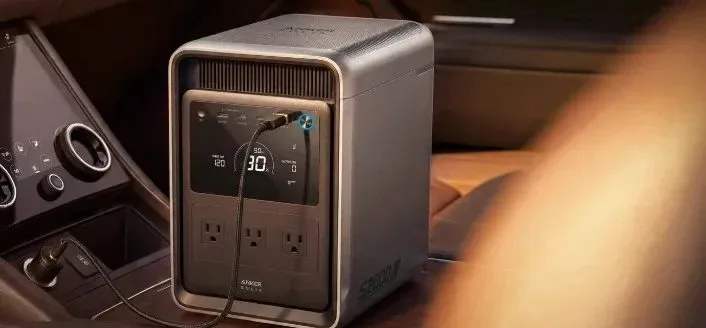
Four phones need four sockets rather than four turns, and the port count matters more than the capacity printed on the box. One station with a multi-port charger is simpler than four separate batteries, and it ends the quiet competition for the only outlet in the cabin. Two cables and one brick weigh less than three separate chargers, and a short lead keeps the plug from bending in a pocket. The Anker SOLIX S2000 carries 2,010Wh and enough outlets for phones, headlamps and a radio through a week of evenings, which is the scale a camp actually needs. Label each cable with tape and the queue at dusk sorts itself out.
What Sunlight Can Add in Winter
What a Small Panel Delivers
Twenty watts is enough to replace a night of phone charging in clear weather, and optimistic in December, when a 20W panel delivers closer to 12W. A folding panel clipped to a pack charges while you walk, which is the cheapest sunlight of the day and the hour nobody has to schedule. Snow on the glass ends the day until it is cleared, so a cloth lives in the same bag as the panel. A panel folded into the pack lid is the one that gets set out at every stop. Two hours of weak sun still beats an hour of nothing, so the panel stays out until dusk.
Angle, Snow and Timing
Angle the panel towards the sun at midday and move it twice rather than leaving it flat, since one propped against a tree collects less than one that follows the sun. Flat on a packsaddle is the worst angle of the day and the easiest to correct, which makes it the first habit worth fixing. Charge the station during the brightest hours and the handsets in the evening, so the panel works while the sun is up. Set a phone alarm for the second move and it stops being a decision. Move it once before the sit and once at noon, and the day is covered.
What Cold Takes From the Charge
Warming Before Plugging In
A cold phone accepts charge slowly or not at all. Warm it in a pocket or inside a jacket for ten minutes before plugging it in, and the same charge takes half as long. A phone kept at body temperature all day never needs warming, and an inside pocket beats an outer one every time, especially overnight. Never leave it on a pack lid or a dashboard, where cold soaks in faster than warmth returns. The pocket that keeps a phone warm is the same one that keeps a spare battery warm.
Charging Where It Is Warmest
Lithium cells resist charging below freezing, and some handsets show a snowflake and stop, which is protection rather than a fault. Expect the last twenty per cent to take as long as the first eighty, and stop when it is good enough: a short top-up at midday beats a long attempt at midnight. Charge in the vehicle on the drive out and conserve at camp, where airplane mode and a dimmed screen are most of the saving. Save the long charge for the drive home, when the cab is warm and the engine is already running. A station left in the truck needs an hour indoors before it accepts a charge, and a cable kept in the cab stays flexible instead of stiffening at the plug.
Conclusion
At a winter camp the phone asks for less than anyone expects: a small reserve, kept warm and topped up on a schedule. A 300Wh station and a 20W panel cover a week between them, and neither needs two people to carry it out of the truck. What the cold takes, warmth gives back, and the routine costs nothing at all. Fix the hour, warm the handset, and the argument at dusk never starts. Everything beyond that is weight in the pack and nothing else. Four phones, one box, one hour, and nobody argues at dusk.