The Decisions to Make Before Turning a Book Idea into a Publishing Project
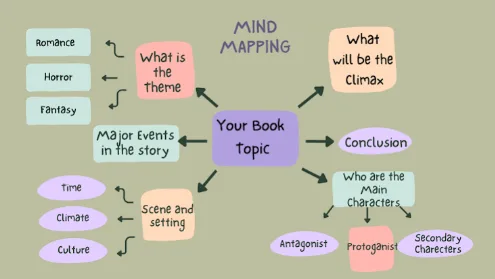
A promising book idea can arrive as a sentence, a folder of notes, or an unusually clear picture of a cover. None of those beginnings is a complete production plan. The difficult transition comes when an author has to decide what the reader will receive and how the separate pieces will fit together. Taking time to answer a few practical questions can make the first draft easier to direct and the finished files easier to review.
The purpose of planning is not to predict every chapter. It is to distinguish an appealing subject from a book someone can actually use. A collection of gardening observations, for example, could become a seasonal journal, an illustrated introduction, or a sequence of guided exercises. Those are different reading experiences. Choosing one early gives later decisions about writing, layout, and presentation a useful reference point.
Describe the reader’s situation
Start with the moment in which the book will be opened. Is the reader looking for a continuous story, a short practical explanation, or a page to complete with a pencil? Describe what that person already knows and what might confuse them. This is more useful than assigning a broad label such as beginner. Two beginners may have different questions because they intend to use the same subject in different settings.
Write a short promise in ordinary language. For a journal, the promise may concern a repeatable routine. For a guide, it may concern a sequence of decisions. Avoid promises about guaranteed results or the amount of money a reader will make. A useful promise identifies the experience the pages can deliver. It also gives the author a way to remove material that is interesting but belongs in another project.
Build a sample before a full manuscript
Choose a small section that represents the real difficulty of the book. An introduction alone is usually too easy a test. Try a chapter with an example, an exercise with instructions, or a spread containing both text and illustration. Work through that section at the intended level of detail. You may discover that a diagram needs an explanation or that an activity requires more writing space than expected.
Show the sample to a suitable reader with a specific question. Ask where the instructions become unclear, which example needs context, or what they expected to happen next. Do not treat a friendly general reaction as evidence that every page will work. Record the confusing point and revise the sample. The result should become a practical model for the remaining pages, rather than merely an attractive opening.
Decide where assistance is useful
Different stages call for different kinds of help. An author may need an outline to examine, editable page ideas, a cover direction, or support preparing separate exports. A tool should be chosen for that task. Generating a whole project is not automatically the most useful starting point when the unresolved question concerns one chapter or the relationship between a title and a visual concept.
For example, OneKDP’s book creation workspace provides options for developing editable book pages and covers within the same project. That arrangement can help keep the pieces connected while the author decides what to generate and what to change manually. The important editorial work remains deciding whether the output suits the reader, checking the writing, and making the individual pages serve a coherent purpose.
Let the inside influence the outside
A cover is easier to direct when the author can explain the book’s actual content. Make a short list of the central subject, the reading experience, and the tone. Then identify what the cover should communicate first. A quiet reflective notebook and a dense reference guide may concern the same topic while needing very different visual emphasis. Their titles, typography, and supporting imagery should help readers distinguish those experiences.
Compare a proposed cover with the sample pages. Do the two appear to belong to the same book? Look beyond matching colors. An energetic promise on the front may conflict with a slow, contemplative interior. A technical subtitle may suggest detailed instruction that the text never provides. Resolve those mismatches before producing many more versions of the design. A clear direction is more helpful than an expanding collection of unrelated alternatives.
Keep production choices visible
Record the intended format, language, size, and current state of the manuscript beside the project. Mark uncertain details as uncertain instead of treating an early estimate as final. A change in the interior can affect later design decisions, so a cover made during exploration should remain identifiable as a working version. The person reviewing it needs to know which production assumptions were used.
Maintain a simple decision log. It can contain the date, the question, the chosen direction, and the reason for the choice. This is especially helpful when returning to the project after a break. Without that record, an author may repeat an experiment or reopen a settled issue simply because the relevant explanation is buried in a conversation. Useful notes preserve the reasoning behind a file, not just its name.
Define what ready for review means
Before exporting, describe the checks the project must pass. These might include reading all instructions aloud, inspecting every activity, checking title consistency, and opening the actual files intended for upload. A successful export establishes that a file was produced; it does not establish that the book is complete. Review the content and the presentation as separate responsibilities, then examine how they work together.
The strongest first project does not need the largest scope. It needs a clear reader, a tested sample, and a manageable path from working material to reviewed files. Those decisions reduce avoidable confusion while leaving room for discovery during writing. The original idea can still change. What improves is the author’s ability to explain each change and carry the useful parts into a book that feels deliberate from beginning to end.