
AI Boom Drives Global Demand for Energy Infrastructure
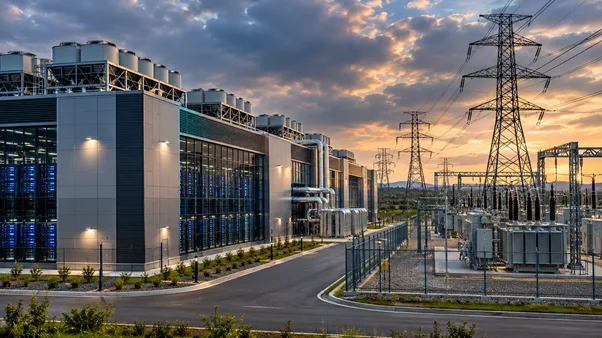
Artificial intelligence continues to increase electricity consumption across the world, creating new challenges for energy producers, infrastructure developers, and national governments. The expansion of data centres requires substantial amounts of power, while existing electricity networks often lack the capacity to support additional demand. As investment in AI technology grows, countries must consider how to expand their energy systems without compromising affordability or long-term environmental goals.
The growing importance of digital services also contributes to this trend. Businesses use artificial intelligence for data analysis, customer support, research, and automated operations. Online entertainment platforms, including services such as spinanzia, form part of a wider digital economy that depends on continuous access to electricity. However, large AI computing facilities account for an increasing share of new infrastructure requirements because they operate powerful processors and cooling equipment throughout the day.
Recent developments show that electricity availability now influences decisions about where companies establish computing facilities. Energy costs, grid connections, and equipment delivery schedules can determine whether a project proceeds as planned.
Data Centres Increase Electricity Consumption
Data centres support the technical systems behind artificial intelligence. They contain thousands of processors that handle complex calculations, process information, and operate digital applications. These facilities also require cooling systems, network equipment, storage devices, and backup generators.
According to the International Energy Agency, data centres consumed approximately 485 terawatt-hours of electricity worldwide in 2025. The agency expects that figure to reach around 950 terawatt-hours by 2030, representing roughly 3% of global electricity demand.
AI-focused facilities account for a significant portion of the projected increase. Training advanced models requires considerable computing power, while everyday applications create additional demand as more people use automated services.
Electricity consumption also depends on the type of work these systems perform. Some applications process short requests, while others analyse large datasets or generate complex results. The hardware performs different calculations, but every operation consumes energy.
Modern processors have become more efficient. Nevertheless, growing demand for computing services can outweigh improvements in individual equipment performance.
This development has encouraged energy planners to reconsider assumptions about future electricity consumption. Industrial production, transport electrification, household needs, and digital infrastructure now compete for capacity in several regions.
Electricity Networks Face Growing Pressure
Electricity generation represents only one part of the infrastructure challenge. Transmission lines, substations, transformers, and distribution networks must also handle additional demand.
A region might generate enough electricity overall but still lack the local infrastructure to connect a new data centre. Network congestion can prevent operators from transferring power to facilities at the required level.
The problem becomes particularly serious when developers concentrate several large computing projects in one geographic area.
According to international energy research, grid connection queues have reached record levels in numerous markets. Developers sometimes face lengthy approval procedures, equipment shortages, and construction delays before they can access electricity.
Expanding transmission capacity also requires substantial investment. Authorities must identify suitable routes, assess environmental effects, secure land access, and coordinate construction.
Unlike computing equipment, major electricity networks often require many years of planning and development.
Energy specialists identify several priorities for addressing these challenges:
- Expanding transmission lines in regions with growing industrial and digital demand.
- Modernising substations and replacing ageing transformers.
- Increasing electricity storage capacity to manage changes in supply and consumption.
- Improving coordination between data centre developers and grid operators.
- Strengthening regional networks to support new power generation projects.
These measures require cooperation between public authorities, electricity providers, investors, and local communities.
Power Generation Investment Continues to Expand
The growing demand from artificial intelligence has encouraged investment in several electricity generation technologies. Developers must consider construction costs, available resources, operating requirements, and the ability to deliver power throughout the day.
Natural gas remains an important option in regions that require additional generation capacity within relatively short periods. Gas-fired power stations can operate when demand increases or renewable output falls.
However, the expanding market for electricity equipment has created another difficulty.
In November 2026, reports described how developers had started searching for second-hand gas turbines, refurbished equipment, and alternative generation systems. Strong demand has extended delivery schedules for new turbines, prompting some projects to reconsider their original plans.
Renewable energy also contributes to expansion. Solar and wind installations can supply significant amounts of electricity, although their production changes with weather conditions and daylight.
Energy storage systems help address some of these fluctuations by storing electricity during periods of higher generation.
Nuclear power offers another source of continuous electricity generation. Yet large nuclear projects usually require extensive preparation, major investment, and long construction schedules.
Each technology creates different financial and operational requirements. Consequently, energy planners increasingly examine combinations of generation sources rather than assuming that one technology can satisfy every requirement.
Regional Differences Shape Infrastructure Development
Artificial intelligence affects electricity systems differently across the world.
The United States currently represents a major centre of data centre activity. Large computing clusters require substantial electricity supplies, and their concentration can place pressure on regional networks.
Several American states have experienced increasing interest in new power stations, transmission projects, and industrial electricity agreements.
China also continues to expand its computing infrastructure. The country must coordinate digital development with industrial electricity demand, renewable generation, and regional transmission capacity.
Europe faces additional considerations. Electricity prices, environmental regulations, land availability, and existing network limitations influence investment decisions.
Some European regions attract computing facilities because they offer established communications networks and access to renewable electricity. Others face constraints involving energy supply or lengthy construction approvals.
Emerging economies may also attract investment in digital infrastructure. However, governments must balance these projects against electricity requirements for households, manufacturing, healthcare, and transport.
The economic benefits of new computing facilities depend partly on whether energy networks can support them without creating additional pressure on existing consumers.
Energy Costs Influence Business Decisions
Electricity represents a major operating expense for data centres. Facilities require continuous power for computing equipment and additional energy for cooling and supporting systems.
Even small changes in electricity prices can influence annual costs when a facility consumes substantial amounts of power.
Developers therefore examine long-term energy agreements before committing to major investments.
Some facilities purchase electricity through existing utility networks. Others seek direct agreements with generation projects or invest in dedicated power infrastructure.
These arrangements can improve cost planning, but they also raise questions about network access and responsibility for infrastructure upgrades.
If utilities construct new transmission lines primarily to serve large computing projects, regulators must determine how customers should share the expenses.
Households and smaller businesses may face higher charges if electricity providers distribute infrastructure costs across their entire customer base.
Regulators increasingly examine these issues when considering new connections and investment proposals.
Transparent pricing arrangements can help authorities evaluate whether a project contributes sufficiently to the cost of additional capacity.
For developers, electricity availability can matter as much as the price itself. A facility cannot operate at its intended capacity without adequate power, regardless of the investment in computing hardware.
Environmental Concerns Receive Greater Attention
The environmental impact of artificial intelligence extends beyond electricity consumption. Data centres also require construction materials, cooling equipment, and, in some locations, considerable amounts of water.
Their emissions depend heavily on the electricity sources that supply them.
Facilities that consume power from carbon-intensive generation systems can increase greenhouse gas emissions. Renewable and nuclear electricity can reduce emissions associated with day-to-day operation.
However, construction and equipment manufacturing also create environmental effects.
Cooling systems introduce another consideration. Some facilities use water-based cooling technologies, while others rely on air cooling or liquid systems that circulate coolant through equipment.
Water availability can influence whether a location can accommodate a large computing project.
Communities may question proposals when developers plan facilities in regions that already experience water shortages or pressure on local infrastructure.
Environmental assessments therefore need to consider several factors together, including electricity consumption, emissions, water requirements, land use, and potential effects on surrounding communities.
Efficiency Improvements Can Reduce Future Demand
Artificial intelligence increases electricity consumption, but technical improvements can limit the amount of energy required for individual computing tasks.
Hardware developers continue to improve processor efficiency, while data centre operators examine cooling methods and equipment management.
Software also plays an important role. More efficient computing methods can reduce the processing power that particular applications require.
Operators can improve energy performance through several practical measures.
They can monitor equipment utilisation, reduce unnecessary computing activity, adjust cooling systems, and schedule certain operations during periods of lower electricity demand.
Not every task requires immediate processing. Some research calculations and training activities can operate according to planned schedules.
This creates possibilities for shifting selected workloads to periods when electricity networks have available capacity.
Nevertheless, continuous services and time-sensitive applications still require uninterrupted access to power.
Efficiency gains therefore help manage consumption but do not eliminate the need for additional energy infrastructure.
Infrastructure Planning Requires Long-Term Coordination
The development schedules of digital facilities and electricity networks often differ considerably.
A developer may construct a computing centre within a few years, while a major transmission project can require considerably longer.
This difference creates financial uncertainty. Investors may complete buildings and install computing equipment before electricity providers can establish sufficient network connections.
Governments and industry participants increasingly recognise the importance of coordinating project schedules.
Early communication can help determine where new facilities should operate and which infrastructure improvements they will require.
Regional planning can also reduce unnecessary spending. Instead of approving several projects without considering their combined impact, authorities can evaluate total electricity demand and coordinate network investment.
Long-term forecasts remain uncertain because artificial intelligence technology continues to change.
Demand could increase faster than expected if businesses expand computing activities. Alternatively, stronger efficiency improvements or slower investment could reduce the need for additional capacity.
Energy planners must account for these possibilities when considering projects that may operate for several decades.
What Comes Next for Global Energy Systems?
Artificial intelligence will continue to influence infrastructure investment as developers expand computing capacity and governments examine the economic implications of digital technology.
The immediate challenge involves matching growing demand with electricity generation, network connections, and available equipment.
In the longer term, the results will depend on energy policy, construction schedules, technological efficiency, and investment decisions.
Countries that coordinate computing development with electricity planning can address infrastructure requirements before serious shortages occur.
Authorities must also consider consumer prices, environmental effects, and the requirements of other economic sectors.
The expansion of artificial intelligence does not mean every region will experience the same increase in energy consumption. Local conditions and investment patterns will determine where demand grows most rapidly.
What remains clear is that computing development now requires closer cooperation between the technology and energy sectors. Electricity generation, transmission capacity, and efficient operation will influence how quickly new AI facilities can expand.
The coming years will test how effectively governments, utilities, and developers coordinate these investments while maintaining affordable electricity and supporting broader economic activity.