
How Much Does CCTV Camera Installation Cost for Your Home?
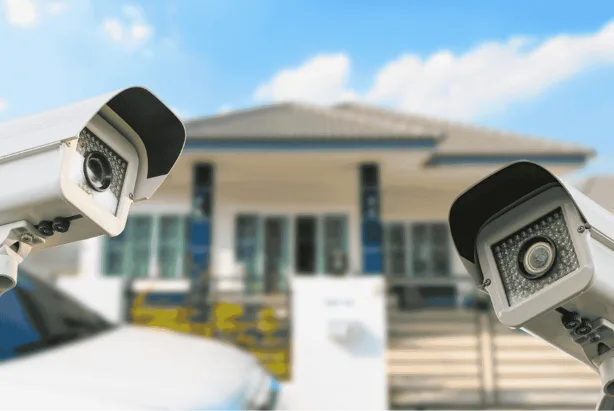
Home security has always been the top priority for homeowners. They are looking for new strategies and techniques to make sure that their home remains a safe place. However, how much you are willing to spend on your property remains a questionable choice.
The cost of installing a CCTV system depends on several factors, including the number of cameras, equipment quality, installation complexity, and recording requirements. Understanding these costs can help you make an informed decision without exceeding your budget.
Professional CCTV camera setup and installation services make it easier to choose suitable equipment, identify vulnerable areas, and ensure that your cameras work effectively. Whether you want to monitor your front entrance, driveway, backyard, or the entire property, knowing what affects the final price is a practical first step.
What Is the Average Cost of Home CCTV Installation?
There is no single price for every home security system. A small setup with two cameras will generally cost less than a comprehensive system covering multiple entrances and outdoor areas.
Your total cost usually includes three main components:
- CCTV equipment: Cameras, cables, mounting brackets, connectors, and recording devices.
- Installation labor: The time required to mount cameras, run cables, configure equipment, and test the system.
- Additional features: Remote viewing, motion detection, night vision, cloud storage, and other advanced functions.
For a basic installation, you may need only a few cameras and a straightforward recording setup. Larger properties, multiple buildings, or complex wiring requirements can increase the overall expense.
Because prices vary by location, property size, and equipment specifications, request a personalized quotation rather than relying on a general estimate.
5 Factors That Affect CCTV Camera Installation Costs
1. Number of Cameras Required
The number of cameras is one of the biggest factors affecting your budget. A small home may need cameras at the front entrance and driveway, while a larger property could require additional coverage for side entrances, garages, gardens, and rear doors.
However, installing more cameras does not always guarantee better security. Strategic placement can help you cover important areas without unnecessary equipment.
2. Type and Quality of Cameras
Different cameras offer different features and price points. Your choice should depend on the areas you want to monitor and the level of detail you need.
Common options include:
- Standard HD cameras: Suitable for general monitoring of entrances and outdoor spaces.
- High-resolution cameras: Capture more detail, which can help when reviewing recorded footage.
- Night vision cameras: Support monitoring in low-light conditions.
- Wireless cameras: Can reduce the need for extensive cabling, although they still require suitable power and network arrangements.
- Smart cameras: May offer motion alerts, mobile access, and advanced detection features.
Before choosing a model, consider image quality, weather resistance, storage capacity, and compatibility with your existing devices.
3. Wired vs. Wireless Installation
Wired systems often require cables to run through walls, ceilings, or other parts of the property. This can increase labor costs, particularly when access is difficult or additional drilling is necessary. However, wired systems can provide a reliable connection when installed correctly.
Wireless systems may be simpler to install in certain homes. Nevertheless, they depend on adequate Wi-Fi coverage and suitable power arrangements. Some models also require batteries or additional network equipment.
Compare the complete installation requirements instead of assuming that wireless systems will always be cheaper.
4. Recording and Storage Options
CCTV footage needs a suitable storage solution. Some systems use a digital video recorder (DVR) or network video recorder (NVR), while others support cloud storage.
A local recorder may involve an upfront equipment cost. Cloud storage, on the other hand, may require recurring subscription payments. The amount of storage you need also depends on camera resolution, recording settings, and how long you want to retain footage.
Choose a storage option that fits your security needs and ongoing budget.
5. Installation Complexity
A straightforward installation may take less time than a project involving several floors, exterior walls, long cable runs, or difficult mounting locations.
Professional installers can assess these challenges before work begins. Their quotation should explain the equipment included, labor charges, configuration, testing, and any additional expenses.
Why Hire Professional CCTV Camera Setup Installation Services?
Installing cameras you may appear economical, but incorrect positioning or configuration can leave important areas unmonitored. Professional CCTV camera setup installation services help ensure that cameras are mounted securely, viewing angles are appropriate, and recording equipment operates as intended.
An experienced installer can also help you:
- Identify entrances and other vulnerable areas.
- Select cameras suited to indoor or outdoor conditions.
- Configure remote viewing and motion notifications.
- Check network connectivity and recording functions.
- Understand system maintenance and troubleshooting requirements.
When comparing providers, review their experience, warranty terms, equipment specifications, and after-installation support.
How to Keep Your CCTV Installation within Budget
You do not need the most expensive equipment to create a useful home security system. Start by identifying the areas that need monitoring most. Then choose cameras that provide the necessary features without paying for functions you will rarely use.
Ask for an itemized quotation and confirm whether it includes cables, mounting accessories, recording equipment, configuration, and taxes. It is also helpful to ask about future expansion if you plan to add cameras later.
Finally, compare the total cost of ownership. A cheaper camera may have limited storage or require frequent battery replacement, while a more suitable system could offer better long-term value.
How to Choose the Right CCTV Installation Company
The right provider should understand your property’s layout, explain available options, and recommend a system that fits your needs. Avoid choosing solely on the lowest quote. Instead, consider installation quality, equipment reliability, transparent pricing, and customer support.
Working with a reputable CCTV camera installation company can help you make informed decisions about camera placement, system compatibility, and ongoing maintenance. Review the provider’s service details and request a site assessment before committing to an installation.
Conclusion:
It could be safely concluded that the cost of installing CCTV at home depends on your camera requirements, equipment quality, recording preferences, and the complexity of the work. A carefully planned system can provide effective coverage without unnecessary spending.
By comparing quotations, prioritizing essential features, and choosing professional CCTV camera setup and installation services, you can build a home security solution that meets your needs and budget. Take time to assess your property and discuss your requirements with an experienced installer before making a final decision.