
Are Portable Wheelchair Ramps Safe? Key Features and Selection Tips
Steps and raised elevated staircases are nightmare for people who are suffering from mobility issues. Whether entering a home, visiting a business, or traveling, having a suitable access solution can make these transitions easier. However, choosing the wrong ramp can introduce unnecessary risks.
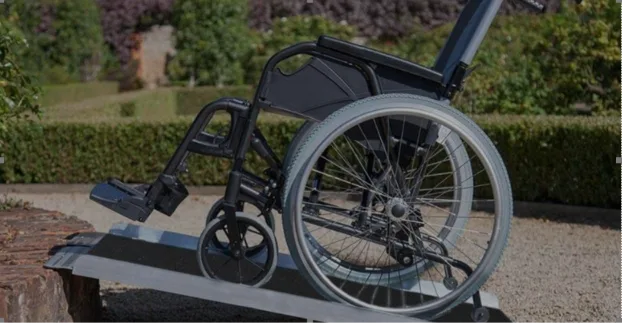
Portable Wheelchair Ramps can be safe when they are correctly selected, properly positioned, and used according to the manufacturer’s instructions. Their safety depends on several factors, including ramp length, weight capacity, surface traction, and stability. Understanding these features helps users and caregivers make informed decisions.
What Makes Portable Wheelchair Ramps Safe?
A portable ramp creates a sloping surface between two different levels. Unlike permanent installations, it can be moved and stored when not in use. However, portability alone does not guarantee safety. The ramp must suit the user’s mobility device and the location where it will be used.
Here are the key features to consider.
1. Slip-Resistant Surface
A wheelchair ramp should provide reliable traction to help prevent wheels from slipping. This is particularly important outdoors, where rain, dust, and other environmental conditions may affect grip.
Look for textured aluminum, a suitable nonslip coating, or another surface designed to provide traction. Before each use, check for mud, loose debris, standing water, and visible damage. Even a ramp with a slip-resistant surface may become hazardous if it is poorly maintained.
2. Suitable Weight Capacity
Every ramp has a specified load limit. Before purchasing one, calculate the combined weight of the wheelchair user, wheelchair or mobility scooter, and any additional equipment. If a caregiver or another person will also be on the ramp, account for that weight when applicable.
The total load must remain within the manufacturer’s stated capacity. Never assume that a lightweight ramp is strong enough simply because it looks sturdy.
3. Raised Side Edges
Raised edges, also called side curbs, help guide wheelchair wheels and reduce the risk of accidentally rolling off the sides. They can be particularly useful when navigating a narrow ramp.
However, side edges are not a substitute for correct alignment, sufficient width, or careful operation. The ramp should accommodate the wheelchair or scooter without restricting its movement.
4. Secure Placement and Stable Construction
A ramp must rest securely against both the upper surface and the ground. Some models feature transition plates, retaining lips, or other components designed to improve positioning.
Check that the ramp does not rock, shift, or slide before use. Both ends should sit firmly against their supporting surfaces, and the ground should be stable and reasonably level. Follow the manufacturer’s instructions for securing the ramp, especially when using it to access a vehicle.
How to Choose the Right Portable Wheelchair Ramps
Selecting the right ramp involves more than measuring a doorway. Consider the following factors before making a purchase.
Measure the Height and Choose the Right Length
First, measure the vertical distance between the ground and the surface you need to reach. Then, select a ramp that provides a manageable incline for the intended user and mobility device.
A longer ramp generally creates a gentler slope for the same height difference. For example, a short ramp placed against a high step may be too steep for independent wheelchair use.
A slope of 1:12 is a commonly used accessibility benchmark, meaning one unit of vertical rise for every 12 units of horizontal run. However, this is not a universal recommendation for every portable ramp or vehicle-loading situation. Follow the ramp manufacturer’s guidance and applicable accessibility requirements.
Check Width and Compatibility
Measure the wheelchair or scooter at its widest point, including any relevant attachments. Compare that measurement with the ramp’s usable width rather than its overall outside dimensions.
Also, confirm that the ramp supports the specific mobility device. Some designs are better suited to manual wheelchairs, while others accommodate powered wheelchairs or scooters. Consider turning space and clearance at the top and bottom, too.
Consider Portability and Storage
Folding and telescoping ramps can be convenient for travel or occasional use. However, a longer or sturdier ramp may be heavier and harder to carry.
Before choosing a model, consider who will set it up, how frequently it will be moved, and where it will be stored. A ramp that is difficult to handle may not be practical for everyday use.
Match the Ramp to Its Intended Purpose
A threshold ramp may work well for a small doorway lip, while a longer folding ramp may be more appropriate for certain steps or vehicle access. These applications are not interchangeable.
If you need equipment for moving heavy items, explore suitable loading ramps and access solutions and verify the product’s intended use and load specifications. A ramp designed for cargo handling should not automatically be assumed suitable for transporting a person in a wheelchair.
Safe Practices When Using a Portable Ramp
Even a well-designed ramp requires proper setup and use. Follow these precautions:
- Inspect before use: Look for cracks, bent sections, loose components, and worn surfaces.
- Position it correctly: Follow the manufacturer’s placement and securing instructions.
- Keep the approach clear: Remove obstacles and check that the landing areas are stable.
- Avoid unsuitable conditions: Do not use a ramp when ice, excessive moisture, or unstable ground makes it unsafe.
- Use assistance when needed: A steep incline, powered mobility device, or difficult transfer may require trained assistance.
- Respect the load limit: Never exceed the stated capacity or use the ramp beyond its intended purpose.
If the ramp feels unstable or the incline seems difficult to navigate, stop and reassess the setup before proceeding.
Conclusion
Portable Wheelchair Ramps can improve access to homes, vehicles, and other spaces, but safe use depends on choosing the right product and setting it up correctly. Prioritize a suitable length and width, adequate load capacity, a slip-resistant surface, and secure placement. By checking these features and following the manufacturer’s instructions, users and caregivers can make more informed decisions about portable ramp safety.