
How Process Safety Audits Prevent Costly Plant Shutdowns
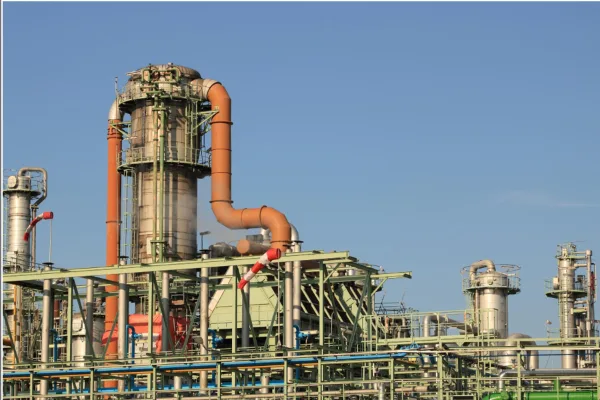
What if a simple check could save millions and protect lives? Many manufacturing plants and chemical facilities face dangerous risks every day. Equipment failures, leaks, and fires can lead to sudden shutdowns that cost time and money.
Even small mistakes can trigger big problems. Process safety audits act as a safety net for both people and profits. These audits catch hazards before they grow into disasters.
By reading this post, readers will learn how safety audits help prevent plant shutdowns and keep operations running smoothly. Read on!
Why Plant Shutdowns Are So Costly
Plant shutdowns happen when something goes wrong, and the facility must stop production. Every hour lost can mean big financial losses for companies.
Shutdowns also disrupt the supply chain, causing customers to wait longer for products. Sometimes, repair costs after a shutdown are much higher than regular maintenance. Avoiding unplanned shutdowns saves both money and customer trust.
The Basics of Process Safety Audits
A process safety audit is a careful review of how a plant manages risks and safety. Auditors check safety equipment, safety procedures, and employee training. They look for warning signs of potential failures that could lead to accidents.
Audits are not just for big emergencies-they help prevent small problems from growing. Regular audits make sure everyone follows safety rules and best practices.
How Audits Find Hazards Early
Audits use checklists and inspections to spot hazards before they become serious. Inspectors walk through the plant, looking for leaks, worn equipment, and unsafe behaviors.
If hazards are found, the team plans to fix them quickly. Early detection stops problems from leading to plant shutdowns or injuries.
Staying Compliant with OSHA and EPA
Safety audits help companies follow strict rules set by government agencies like OSHA and the EPA. These agencies require plants to control risks and protect both workers and the environment.
Failing to meet these standards can lead to fines, lawsuits, or forced shutdowns. Audits keep plants up to date with changing regulations and new safety techniques.
Reducing Operational Risk with Safety Audits
Process safety audits lower the chances of accidents, fires, and unplanned downtime. Regular checks help fix small issues before they turn into major events.
Workers feel safer when they know their workplace is well maintained and inspected. Safer plants have fewer insurance claims and lower premiums. Preventing accidents protects both people and property.
The Role of Process Hazard Analysis in Audits
One important step in every audit is process hazard analysis, which looks at how chemicals and equipment might interact to create risks. Process hazard analysis helps teams identify potential accident scenarios and develop plans to prevent them.
Teams use the findings to update safety rules and emergency plans. With strong analysis, audits become even more effective at stopping shutdowns.
Keeping Plants Running, Safely and Smoothly
Process safety audits are a vital tool for any plant aiming to avoid costly shutdowns. These audits protect workers, save money, and protect the environment. Regular checks and hazard analysis spot problems before they become disasters.
Following OSHA and EPA rules builds trust with customers and the community. Plants that invest in safety audits run more smoothly and reliably. A safer workplace means happier workers and fewer surprises.
Did you like this guide? Great! Please browse our website for more!