
Hair Transplant: Everything You Need to Know Before Getting One
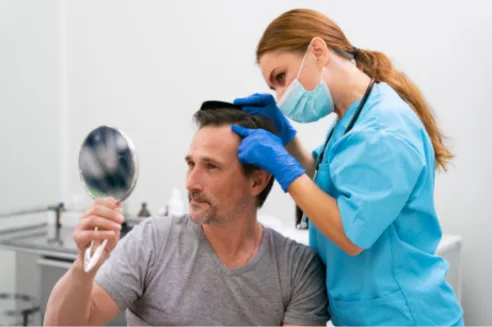
Hair loss is one of the most common concerns affecting both men and women across all age groups. For some, it starts with a receding hairline, while others notice thinning on the crown or gradual bald patches. Whatever the pattern, losing hair can have a significant impact on confidence and self-esteem.
If you’ve been searching for solutions, you’ve probably come across a hair transplant procedure. You may also have seen stories online about hair transplants that didn’t go as planned, leaving people with unnatural-looking hairlines or poor results. These experiences can make anyone hesitant.
The truth is that a hair transplant, when performed by an experienced hair transplant surgeon can provide natural-looking and long-lasting results. The key is understanding the procedure, knowing whether you’re a suitable candidate, and choosing the right clinic.
Here’s everything you should know before deciding on a hair transplant.
What Is a Hair Transplant?
A Hair Transplant Treatment is a surgical procedure that restores hair by moving healthy hair follicles from the donor area of the scalp (typically the back side of the scalp ) into bald or thinning areas.
Hair is usually taken from the back or sides of the scalp, known as the donor area, because the hair in these regions is generally more resistant to hair loss. These follicles are then carefully implanted into areas where the hair has become thin or completely absent, known as the recipient area.
Since your own hair follicles are used, the transplanted hair grows naturally and blends with your existing hair. Once fully grown, it can be washed, cut, and styled just like the rest of your hair.
Who Is a Good Candidate for a Hair Transplant?
A hair transplant isn’t suitable for everyone, and a qualified hair specialist will assess your scalp before recommending surgery.
You may be a good candidate if you:
- Have male or female pattern baldness (androgenetic alopecia).
- Have enough healthy donor hair at the back or sides of your scalp.
- Are in good overall health.
- Have realistic expectations about the outcome.
On the other hand, a hair transplant may not be the right option if your hair loss is caused by conditions such as alopecia areata, scarring alopecia, severe nutritional deficiencies, or uncontrolled thyroid disorders. In these cases, treating the underlying condition is usually the first priority.
This is why a detailed scalp examination is an essential first step before planning any procedure.
Understanding Different Hair Transplant Techniques
Modern hair restoration has advanced significantly over the last decade. Today, patients have access to techniques that are less invasive, offer faster recovery, and deliver more natural-looking results.
Advanced Hair Transplant Techniques
Many modern hair clinics also offer advanced versions of FUE using improved graft preservation methods, precision implantation techniques, and enhanced follicle handling protocols. Some clinics like vcare have developed proprietary techniques, such as AFT 2.0, aimed at improving graft survival, promoting faster healing, and achieving better hair density.
While the names may differ between clinics, the most important factors remain the surgeon’s expertise, careful graft handling, and overall treatment quality.
What Happens During the Procedure?
Understanding the process often helps reduce anxiety before surgery.
A typical hair transplant usually involves the following steps:
Initial Consultation
Your doctor evaluates your scalp, donor hair density, pattern of hair loss, and overall health. Together, you’ll discuss your expectations and decide how many grafts may be needed.
Hairline Design
Designing the hairline is one of the most important parts of the procedure. A skilled surgeon creates a hairline that matches your facial features and looks natural as you age.
Local Anaesthesia
The scalp is numbed using local anaesthesia. You remain awake throughout the procedure, but you shouldn’t experience significant pain.
Follicle Extraction
Healthy follicles are carefully removed from the donor area one by one.
Graft Preparation
The extracted follicles are examined, sorted, and preserved under controlled conditions to maximize their survival.
Recipient Site Creation
Tiny recipient sites are created with precise angulation, direction, and depth to achieve a natural hair growth pattern
Implantation
Each follicle is implanted individually into the prepared sites.
Depending on the number of grafts required, the entire procedure usually takes between four and eight hours.
Is a Hair Transplant Painful?
Many people imagine hair transplant surgery to be painful, but that isn’t usually the case.
Most patients experience only mild discomfort during the administration of local anaesthesia, which lasts only a few seconds.
Once the scalp is numb, the procedure is generally comfortable.
After surgery, you may experience:
- Mild soreness.
- Tightness around the scalp.
- Slight swelling for a few days.
These symptoms are temporary and can usually be managed with prescribed medications. Will the Results Look Natural?
Natural-looking results depend on several factors:
- A well-designed hairline.
- Correct angle and direction of implanted follicles.
- Appropriate hair density.
- Even distribution of grafts.
- Skilled implantation techniques.
Poor planning or inexperienced hands often lead to unnatural results, which is why choosing the right hair clinic is so important.
What Should You Expect After Surgery?
Recovery is usually straightforward.
During the first few days:
- Small scabs form around the implanted follicles.
- Mild redness may be visible.
- Your doctor will provide washing instructions.
Within two to three weeks, the transplanted hair often falls out. This can be surprising, but it’s completely normal. Some patients may also experience temporary shock loss of surrounding native hair, which is usually temporary.
The follicles remain beneath the skin and gradually begin producing new hair. Most patients notice:
- New hair growth after three to four months.
- Visible improvement around six months.
- Final results between 12 and 18 months.
Hair growth happens gradually, making the transformation look natural.
How Long Do Hair Transplants Last?
A hair transplant is generally considered a long-term solution because the transplanted follicles come from areas that are genetically more resistant to hair loss.
However, it’s important to understand that while the transplanted hair remains, your existing natural hair may continue to thin over time.
For this reason, doctors often recommend combining a transplant with medical treatments such as Minoxidil, Finasteride (where appropriate), PRP therapy, or other hair restoration treatments to help maintain the surrounding hair.
Some people may also choose an additional transplant years later if hair loss continues. How Much Does a Hair Transplant Cost?
Hair transplant costs vary depending on several factors, including:
- Number of grafts required.
- Technique used.
- Surgeon’s experience.
- Clinic facilities.
- Geographic location.
Some clinics charge per graft, while others offer complete treatment packages. How to Choose the Right Hair Transplant Clinic Your results depend as much on the clinic as they do on the procedure itself. When comparing clinics, look for:
- Qualified and experienced hair transplant surgeons.
- A detailed scalp consultation before treatment.
- Modern surgical facilities.
- Transparent pricing.
- Good hygiene and safety standards.
- Clear post-operative care instructions.
Who Should Postpone a Hair Transplant?
A hair transplant may not be the right option for everyone at every stage. In some cases, it is advisable to postpone the procedure until the underlying condition is managed.
Individuals with active scalp infections, uncontrolled medical conditions, untreated alopecia areata, or ongoing severe hair shedding should first undergo medical evaluation and appropriate treatment.
People with unrealistic expectations or insufficient donor hair may also need alternative treatment options before considering a transplant. A qualified hair restoration specialist can determine the right time for the procedure through a comprehensive scalp assessment.
Risks and Possible Complications of Hair Transplant
Hair transplantation is generally considered a safe procedure when performed by experienced professionals. However, like any medical treatment, it carries certain risks and potential side effects. These may include temporary swelling, redness, mild discomfort, itching, scab formation, or temporary shedding of transplanted hair (shock loss). In rare cases, infection, scarring, uneven hair growth, or poor graft survival may occur.
Following your surgeon’s post-procedure instructions and attending regular follow-up appointments can help support proper healing and optimal results.
Understanding Donor Area Limitations
The success of a hair transplant largely depends on the availability and quality of donor hair, which is usually harvested from the back or sides of the scalp. Since the donor area contains a finite number of healthy hair follicles, not every individual is suitable for extensive coverage. People with advanced baldness or limited donor hair may require a realistic treatment plan, multiple sessions, or a combination of medical therapies and hair restoration procedures to achieve the desired outcome. A detailed scalp analysis helps determine the number of grafts available and the most effective treatment strategy.
Personalized Hair Transplant at VCare
At VCare Hair and Skin Clinic, every hair transplant journey begins with a comprehensive hair and scalp evaluation to understand the cause of hair loss, assess donor hair availability, and determine the most suitable treatment approach. Depending on your condition, specialists may recommend the right solutions to help achieve natural-looking results. With experienced specialists, modern technology, and personalized aftercare, VCare focuses on providing safe, evidence-based treatments tailored to each individual’s hair restoration goals.
Final Take Away
A hair transplant can be a life-changing procedure for people experiencing permanent hair loss. Modern techniques have made the surgery safer, more comfortable, and capable of delivering natural-looking results that last for many years.
However, successful outcomes don’t depend only on the procedure itself. They depend on proper diagnosis, realistic expectations, careful planning, and choosing an experienced medical team.
If you’re considering a hair transplant, begin with a professional scalp consultation. Understanding your pattern of hair loss, donor hair availability, and treatment options will help you make an informed decision.
Hair restoration is a long-term investment in both your appearance and your confidence. Taking the time to research your options and choose the right clinic can make all the difference in achieving results you’ll be happy with for years to come.