
What Evidence Should You Preserve After a Truck Accident in Edmonton?
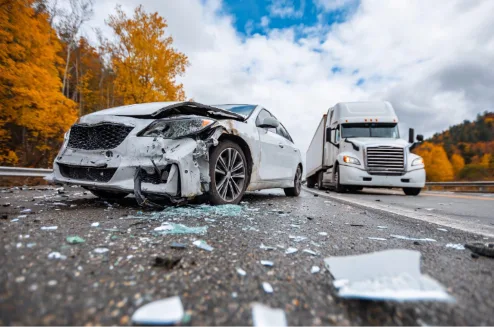
A collision with a transport truck can leave you hurt, shaken, and unsure what to protect. Truck evidence works differently from car evidence because the truck usually belongs to a company, the records sit with that company, and the vehicle may be back on the road within days. Some of that proof has a short life, and it is easy to lose by accident. Plenty of people talk through their options with an Edmonton truck accident lawyer or another Alberta injury firm while the records still exist.
What the Scene Can Show
Photos and video taken as soon as it is safe, before the vehicles move, can help preserve what the scene looked like. Wide shots of the road, close shots of damage, and angles that show where each vehicle ended up all add to the picture. Anyone who saw the collision may be willing to share a name and phone number before they leave. Skid marks, debris, signals, and weather all tell part of the story, and tow crews and rain erase them fast.
Police reports matter too. The Edmonton Police Service asks people to call 911 when a collision involves a fatality or serious injury. When a large commercial vehicle over 4,500 kg, such as a tractor-trailer, is involved, or when a driver is taken to hospital, it asks people to call its non-emergency line instead of going to a Collision Reporting Centre. Collisions with $5,000 or more in combined damage that do not involve those situations go to a Collision Reporting Centre. A police file number is useful to have, and the Government of Alberta advises against admitting fault or signing any statements at the scene. Footage from a dash camera in your own vehicle can also help, so many people save it right away.
Why the Truck’s Company Matters
A truck often belongs to a company (called a carrier) rather than the driver, so the company name opens the door to most of the records. Many heavy-truck carriers in Alberta must hold a Safety Fitness Certificate, a government certificate for larger commercial carriers, and the province keeps a carrier profile that tracks on-road events and roadside inspection results. A photo of the cab door, even from a distance, can show a logo or a number on the trailer, and that may be the only link to the right company. These details can help identify the truck:
- Company name
- Licence plate
- Truck and trailer numbers
- Driver’s name
What the Trucking Company May Keep
Trucking companies hold records you cannot reach yourself, and some have a short shelf life. Under Alberta’s Driver’s Hours of Service Regulation, Alta Reg 317/2002, a carrier must keep a driver’s daily logs (records of driving and rest time) for at least six months. Drivers who cross provincial borders must also follow the federal Commercial Vehicle Drivers Hours of Service Regulations, SOR/2005-313, which generally require an electronic logging device (a device that automatically records driving time).
A six-month minimum means a company may clear older logs afterward. When a truck has an electronic logging device, it connects to the truck’s electronic control module (the vehicle’s onboard computer). Dispatch and trip records may also show where the driver was headed and how long they had been on the road. Maintenance and inspection records can matter as well, since carriers under Alberta’s rules must run a safety program that covers things like record keeping and vehicle maintenance. Because you do not hold these records, a lawyer may be able to send a written request asking the company to keep them.
Your Own Evidence Counts Too
Your vehicle and belongings hold evidence too, and photos taken before anything changes can help preserve it. In Alberta, an auto body shop cannot do collision repairs over $5,000 on a vehicle without a police damage sticker, which shows the collision was reported. Damaged items, such as a cracked phone or a torn jacket, can be worth keeping until you know whether they are needed. Many people save items like these as they go:
- Vehicle damage photos
- Damaged clothing or gear
- Medical records
- Missed work records
Why Timing and the Date of Your Accident Matter
Evidence runs on one clock, and your claim runs on another. Under Alberta’s Limitations Act, RSA 2000, c L-12, you usually have two years from the date of the accident to file a claim. While there are some rare exceptions, missing the deadline means permanently losing your right to recover compensation. These deadlines are very strict. Records may disappear long before that deadline arrives, and it can be harder to gather evidence and documentation as time goes on.
Starting January 1, 2027, Alberta is expected to transition to the government’s proposed Care-First auto insurance system. Under the new no-fault model, most injured people will no longer be able to sue the at-fault driver, except in limited circumstances. The changes have prompted concerns about limiting legal rights and how insurers will determine eligibility for benefits.
No changes will take effect until January 2027. If you are injured in an accident before that date, you will still have up to two years from the date of your accident to file an injury claim.
Talking With Insurance Companies
The Government of Alberta asks drivers to tell their own insurance company about a collision as soon as possible, regardless of who caused it. Making that report does not require a lawyer. That is an insurance claim: the process of dealing with your insurance company after a collision. Legal support is different, because it can help strengthen a claim or pursue compensation beyond what the insurance claim provides.
You also do not have to give a statement to the other driver’s insurance company, and you do not have to accept its settlement offer. In a truck collision, that other company may be a commercial insurance company, and many people keep every letter and a note of every call.
Small Details Add Up to a Clear Account
Truck accidents happen fast, and few people get a second look at the scene. Evidence does not need to be perfect to be useful. A blurry photo, a scribbled plate number, or a note about the time can help others see what you saw. Many people gather what they safely can and let the rest come later.
If you are too hurt to collect anything, that is understandable. A friend or family member may be able to take photos, write down names, and start a folder for you, noting the date and time on each item so nothing gets mixed up later. You do not have to figure it all out on your own, and a lawyer licensed in Alberta can help you understand your options.