
Beyond Channel Counts: What IPTV Viewers Should Check Before Choosing a Streaming Service in 2026
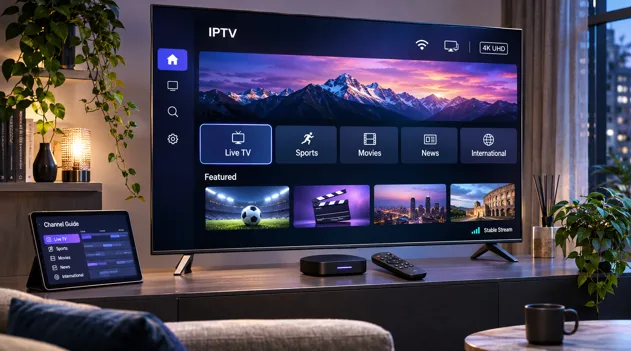
For viewers comparing internet-based television services, the biggest channel number on a landing page is rarely the most useful piece of information. A better decision starts with understanding which channels are relevant, how reliably they play, and whether the service works on devices already in the home.
The practical starting point is the viewing experience, not the headline claim. A provider such as eaglecast tv illustrates the range of features customers may encounter, including live programming, electronic programme guides and support for several device types. Those features are worth examining individually rather than assuming that every internet TV platform delivers the same result.
A Relevant Lineup Beats an Impressive Total
A catalogue that lists thousands of channels may still omit the local news station, regional sports coverage or language-specific programming a household actually watches. Channel totals can also include variations in resolution, regional feeds and entries that are rarely used.
Before subscribing, viewers can write down a short list of must-have categories: local television, sports, films, children’s programming, news and international channels. The next step is to confirm availability for the relevant country and check whether the lineup changes over time. A categorized channel page is more useful for this task than a single oversized headline number.
Look for Regional Coverage and Clear Categories
The United States, Canada and the United Kingdom have different broadcasting arrangements, regional affiliates and sports schedules. A provider may have strong international coverage without carrying the particular local content a viewer expects. Regional labels should therefore be treated as a starting point for questions, not proof that every desired station is included.
For example, the eaglecast iptv channel overview groups the advertised selection into local entertainment, sports, cinema, news, family and international categories, alongside country-focused packages. This kind of organization makes it easier to identify what to verify during a trial. Availability, licensing and individual channel access should still be confirmed before purchase.
Test Live Playback During the Hours That Matter
A streaming service can perform well during a quiet afternoon and struggle during a major live event. Network congestion, Wi-Fi interference, device performance and the provider’s delivery infrastructure can all influence playback. Advertised 4K support does not mean every channel or event will arrive in 4K, or that the household connection can sustain it.
Where a legitimate trial is available, test it at the times and on the devices that reflect normal use. Open several preferred channels, switch between them, check audio synchronization and observe whether playback recovers from a brief network interruption. For a stationary television, comparing Wi-Fi against an Ethernet connection can help separate home-network issues from service issues.
Device Support Is More Than a List of Logos
Smart TVs run different operating systems and have different application stores. A player that works well on Android TV may not be available on a particular Samsung or LG model. External streaming devices can expand compatibility, but they also add setup steps and possible costs.
Consumers should identify the exact TV model, operating system and playback application before committing to a long subscription. They should also determine whether the service includes an electronic programme guide, accessible search, favourites and straightforward support instructions. If multiple screens will be used simultaneously, the permitted connection count matters as much as device compatibility.
Check Transparency, Support and Content Rights
Clear subscription terms and responsive support reduce surprises. Look for published renewal conditions, refund rules, payment options and an accessible support route. Test how the provider answers a concrete question about a device or channel instead of relying only on generalized promises of “zero buffering” or perfect uptime.
Content rights deserve the same scrutiny. Internet delivery is a technology, not proof that a service is authorized to distribute particular channels, sports events or films. Viewers should check rights and availability in their jurisdiction and prefer services that can explain what they are licensed to provide.
A Short Checklist Before Paying
- Confirm your essential channels and region, not just the advertised total.
- Try the service on the exact TV or streaming device you intend to use.
- Assess live-stream stability during typical evening or sports-viewing hours.
- Check guide quality, navigation, simultaneous-stream limits and customer support.
- Read subscription conditions and verify content authorization where relevant.
The Better Question for 2026
The useful comparison is no longer simply which IPTV provider claims the largest catalogue. It is which service offers the right programming, a workable app, predictable playback and clearly explained terms for a particular household. A little verification before subscribing is often more valuable than an impressive channel count.