
Personal Care vs. Companion Care: Which Support Does Your Loved One Need?
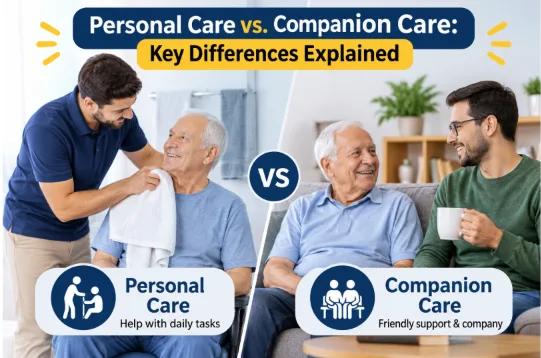
As people age, everyday activities can become more challenging, and the type of support they need may change over time. Some older adults struggle with personal tasks such as bathing, dressing, and maintaining hygiene, while others remain physically independent but experience loneliness, isolation, or difficulty managing daily routines. Understanding these differences is essential when choosing the right type of home care. For families exploring personal care assistance, knowing how personal care and companion care differ can help them make informed decisions that support their loved one’s comfort, safety, and independence.
Although both services help older adults maintain a better quality of life, they address different needs. Choosing the wrong type of support can leave important challenges unaddressed. The best approach is to evaluate an individual’s physical abilities, emotional well-being, daily habits, and personal preferences before making a decision.
Understanding Personal Care and Companion Care
Personal care and companion care are two common forms of non-medical home care. Both allow individuals to receive assistance in familiar surroundings rather than immediately moving into an assisted living facility or nursing home. However, their primary responsibilities differ.
What Is Personal Care?
Personal care focuses on helping individuals manage essential activities of daily living (ADLs). These are routine tasks that people may struggle to complete independently because of aging, mobility limitations, disability, or recovery from an illness.
Typical personal care services include:
- Assistance with bathing, showering, and personal hygiene.
- Help with dressing and changing clothes.
- Support with grooming, including hair care and oral hygiene.
- Assistance with toileting and incontinence care.
- Help moving between beds, chairs, and other areas.
- Mobility support and fall prevention.
- Assistance with eating and drinking when needed.
For example, an older adult recovering from hip surgery may be able to prepare simple meals but struggle with bathing, dressing, and getting out of bed safely. Personal care provides practical assistance with these activities while encouraging the individual to maintain as much independence as possible.
What Is Companion Care?
Companion care primarily addresses emotional well-being, social interaction, and everyday household support. It is particularly helpful for older adults who can manage most personal activities independently but need regular company or assistance with routine responsibilities.
Common companion care services include:
- Engaging in conversations and meaningful activities.
- Playing games, reading, or pursuing hobbies together.
- Accompanying individuals on walks and social outings.
- Providing transportation to appointments or community activities.
- Preparing meals and offering general household assistance.
- Running errands and shopping for groceries.
- Providing reminders about daily routines.
Consider an older adult who lives alone after losing a spouse. They may still cook, dress, and bathe independently but experience loneliness and struggle to stay socially active. A companion caregiver can provide conversation, accompany them on errands, and help them maintain a consistent daily routine.
How to Determine Which Type of Care Is Needed
Choosing between personal care and companion care requires more than considering someone’s age. Families should evaluate the specific difficulties their loved one experiences and identify where additional support would make the greatest difference.
The following steps can make the decision easier.
1. Evaluate Daily Living Activities
Start by observing how comfortably your loved one manages everyday personal activities.
Can they bathe safely without assistance? Are they able to dress themselves, use the bathroom, prepare meals, and move around the house without difficulty?
If these activities require regular physical assistance, personal care may be appropriate. However, if the individual manages personal hygiene and mobility independently but struggles with household tasks or maintaining social connections, companion care may be sufficient.
2. Consider Emotional and Social Well-Being
Physical health is only one part of healthy aging. Emotional well-being and social interaction also play important roles in maintaining quality of life.
Watch for signs such as withdrawing from family conversations, losing interest in hobbies, spending most of the day alone, or expressing feelings of loneliness.
For example, someone who previously enjoyed gardening or visiting friends may gradually stop participating in these activities. A companion caregiver can help restore these routines by providing encouragement, conversation, and assistance with outings.
3. Identify Safety Concerns at Home
Walk through the home and consider potential safety risks.
Look for loose rugs, poor lighting, slippery bathroom floors, cluttered walkways, and difficult staircases. Observe whether your loved one struggles when standing, walking, or transferring between furniture.
If physical limitations make personal activities unsafe, personal care support may be necessary. Companion care can also help through supervision and general household assistance, but it should not replace hands-on personal support when that is required.
4. Discuss Individual Preferences
Care decisions should involve the older adult whenever possible. Some people may feel uncomfortable receiving assistance with intimate activities, while others may welcome regular companionship but resist changes to their routines.
Have an open conversation about what feels difficult, which tasks they would prefer help with, and how much support they are comfortable receiving.
Respecting these preferences makes it easier to introduce care without making someone feel that their independence is being taken away.
Can Someone Benefit From Both Types of Care?
Yes. Personal care and companion care are not mutually exclusive. In many situations, combining both services provides more comprehensive support.
For instance, an older adult with arthritis may need assistance getting dressed, bathing, and moving safely around the house. At the same time, they may benefit from companionship, meal preparation, and help attending social activities.
A combined care arrangement can address physical and emotional needs without requiring families to coordinate several unrelated support services.
Care needs can also change over time. Someone who initially requires only companionship may eventually experience mobility challenges that make personal assistance necessary. Reviewing the care arrangement regularly helps ensure the level of support remains appropriate.
Common Mistakes Families Should Avoid
Choosing home care can feel overwhelming, particularly when family members disagree about what their loved one needs. Avoiding a few common mistakes can make the process more manageable.
Assuming companionship is enough: An older adult may enjoy having someone around but still struggle with bathing, dressing, or mobility. Social interaction cannot replace essential physical assistance.
Overlooking emotional health: Families sometimes focus entirely on physical limitations and forget that loneliness, isolation, and reduced social engagement can significantly affect an older person’s well-being.
Waiting for an emergency: Delaying care until a fall, injury, or serious incident occurs can create unnecessary stress. Identifying difficulties early allows families to introduce appropriate support gradually.
Ignoring the individual’s preferences: Making decisions without involving the older adult can create resistance and discomfort. Their opinions, routines, and personal boundaries should remain central to the process.
Choosing care without assessing qualifications: Not every caregiver is trained or authorized to perform every task. Families should verify experience, training, background checks, and the specific services included before arranging care.
Practical Tips for Choosing the Right Care Arrangement
Once families understand the differences, a few practical considerations can help them make a confident decision.
- Start with a needs assessment: List the activities your loved one can complete independently and those that require assistance. This creates a clearer picture of their daily support requirements.
- Consult healthcare professionals: A physician or occupational therapist can help identify mobility limitations, safety concerns, and appropriate levels of assistance.
- Create a realistic schedule: Some individuals need help for a few hours each week, while others benefit from daily visits. Match the schedule to actual needs rather than assuming more care is always better.
- Prioritize caregiver compatibility: Communication style, patience, reliability, and respect are important qualities. A caregiver who understands someone’s personality can make daily interactions more comfortable.
- Review the arrangement regularly: Reassess care needs after hospital visits, changes in mobility, new health concerns, or noticeable changes in emotional well-being.
Families should also clarify the boundaries of non-medical home care. Personal care and companion care generally do not include skilled nursing procedures, medical diagnoses, or clinical treatment. Individuals who require these services may need additional support from licensed healthcare professionals.
Conclusion
Personal care and companion care serve different but equally important purposes in supporting older adults. Personal care focuses on essential daily activities and physical assistance, while companion care emphasizes social interaction, emotional well-being, and everyday household support.
The right choice depends on an individual’s abilities, challenges, safety concerns, and personal preferences. Some older adults need only companionship, others require hands-on personal assistance, and many benefit from a combination of both.
By assessing needs early, involving loved ones in decisions, and regularly reviewing the care arrangement, families can create a supportive environment that protects independence, encourages meaningful connections, and promotes a better quality of life.