
How to Adapt Viral Dance Trends with Motion Transfer AI
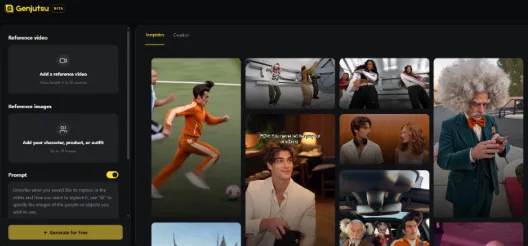
A dance trend is recognizable because of its movement, rhythm, and signature moment. Changing the performer to an animated character or animal can make that familiar sequence unexpectedly entertaining. With motion transfer ai, creators can use reference footage as the foundation for a new subject’s performance. The creative task is choosing a replacement whose appearance and personality give the routine a fresh reason to watch.
Find the Movement That Defines the Format
Watch the reference and identify its signature action. It may be a turn, a coordinated arm gesture, a pause before a dramatic move, or a celebratory ending.
That action should remain readable after the performer changes. A routine with many overlapping bodies or rapid edits may be harder to assess than a clear solo performance. For an initial attempt, choose a reference where the central movement is visible.
Also decide what makes your replacement interesting. A solemn cartoon knight performing a casual dance creates a different contrast from an energetic mascot doing a routine that already suits its personality.
Reference footage provides the dance structure, while uploaded images describe the new performer.
How to Prepare a Dance-Based Trend Adaptation
Step 1: Choose a Suitable Performance Reference
Look for framing that shows the movement you need. A close shot may hide footwork. A distant shot may make facial reactions difficult to recognize. Choose according to the signature moment rather than the scene’s apparent complexity.
Inspect camera movement and obstruction. Make a note of turns, crossed limbs, and contact with nearby objects. These become review checkpoints later.
Use footage you have permission to adapt. A familiar routine does not automatically make every recording of it suitable for reuse.
Step 2: Select a Replacement with a Readable Silhouette
Consider body proportions, clothing, and accessories. An oversized helmet may hide a head movement. A long cape may complicate a fast turn. An animal subject may translate the action differently from the human performer.
Choose images that consistently show the intended design. Identify the features viewers should recognize at normal playback speed, not only in a paused frame.
If the subject’s appeal depends on very small details, consider whether the source framing gives those details enough attention during the routine.
Step 3: Describe the Performer Replacement
Upload the reference video and subject images. In the custom prompt, identify the main performer and name the action to follow.
A possible request is to replace the dancer with the original knight character shown in the images, following the reference routine and camera framing. Mention recognizable features such as the helmet and blue cape where relevant.
If a suitable dance template is available, you can use its built-in instructions and upload replacement images without writing your own prompt. Choose the action that already fits your intended joke.
Step 4: Review Rhythm and Continuity Separately
First, watch at normal speed. Is the signature gesture readable? Does the turn or pause still support the routine? Can a viewer understand what is surprising about the new performer?
Then inspect the subject through difficult moments. Check crossed limbs, changes in direction, contact with the floor, and distinctive costume details. The output may vary, so a readable beginning does not establish consistency across the whole performance.
If the subject’s proportions make the routine confusing, a simpler reference may be more useful than a longer prompt. If the action reads clearly but the design changes, review the character images and keep the transformation focused.
Step 5: Give the Dance a Situation
An unexpected performer supplies visual contrast, while a caption can supply the reason for the celebration. A knight might dance after completing a trivial quest. A serious robot might celebrate correcting one spelling mistake.
Choose a setup that matches the energy of the movement. If the routine is exuberant, the contrast with a small accomplishment can become the joke. Do not assume the familiar format alone explains why this version matters.
Example Case: A Knight Celebrates a Household Victory
Imagine a fictional creator whose original armored knight treats daily chores as epic adventures. They want to adapt a celebratory routine into a recurring character post. This scenario describes a possible creative workflow, not a reported result.
The creator selects a visible solo dance and uploads consistent knight images. The intended caption is “When the laundry quest finally leaves the chair.” The serious costume changes how viewers interpret an otherwise ordinary celebration.
Review would focus on the signature movement, the helmet, the cape, and the feet during a turn. If the cape obscures the action, the creator could select a more open routine or a reference with a slower change in direction.
If the movement works but the setup feels weak, they should improve the situation rather than expect another generation to invent the joke. The concept and its visual execution need separate attention.
Build a Useful Dance Reference Library
Record which part of the routine carried the adaptation: the opening pose, the turn, or the final celebration. That observation helps you identify another reference with a similar storytelling role without repeating the exact performance. It also prevents a visually striking but irrelevant movement from becoming the default choice for every new character idea.
Save notes about which movements suit different subjects. A broad celebration may work for a heavily costumed character, while a subtle routine may depend on features that remain visible only in closer framing.
For creators exploring motion transfer ai, a recognizable routine and unexpected performer can provide a strong creative starting point. Choose movement that survives the substitution, connect it to a clear situation, and review the complete performance before publishing the adaptation.