
What is Seeding Marketing? The Art of Planting Organic Buzz
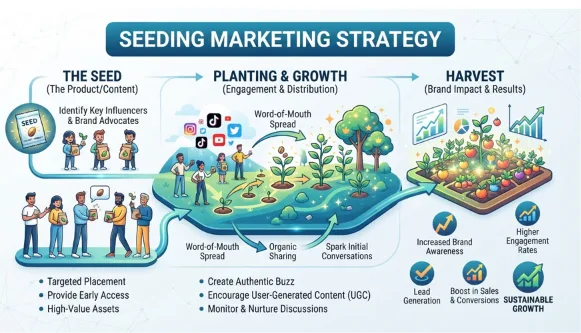
In an era where consumers are increasingly skeptical of traditional advertisements, seeding marketing has emerged as one of the most effective strategies for building genuine brand awareness and trust. Rather than pushing a hard sell through paid ads, seeding marketing focuses on strategically “planting” products, content, or brand mentions within targeted communities and letting word-of-mouth grow organically.
How Seeding Marketing Works
The core concept of seeding marketing is simple: give the right people early or free access to your product or message, and let their authentic reactions spark broader conversations. Depending on the campaign goal, seeding typically falls into two main categories:
- Product Seeding (Influencer & Creator Gifting): Brands send free products—often in thoughtfully designed PR packages—to micro-influencers, content creators, or niche industry leaders with no strict obligation to post. Because the endorsement isn’t paid or scripted, any resulting review feels genuine to their audience.
- Content & Community Seeding: Brands or agencies introduce discussions, reviews, or helpful content into online communities, forums (like Reddit, Pantip, or Facebook Groups), and comment sections. The goal is to start natural conversations around a problem that the brand’s product quietly solves.
Why Seeding Marketing is So Effective
- Builds High Trust and Social Proof: Modern buyers rely heavily on peer recommendations. Seeing multiple everyday users or trusted creators naturally mention a product creates a “bandwagon effect” that paid ads rarely achieve.
- Cost-Effective Scalability: Unlike traditional celebrity endorsements or continuous paid ad campaigns, product seeding primarily costs the price of goods and shipping. A single viral unboxing or organic thread can generate exponential reach.
- Authentic Content Generation: Unscripted feedback provides brands with relatable user-generated content (UGC) and honest insights into what customers truly love—or what needs improvement.
Best Practices for a Successful Seeding Campaign
To avoid coming across as spammy or manipulative, successful seeding requires subtlety and strategy:
- Prioritize Relevance Over Reach: Focus on micro-influencers (10,000 to 50,000 followers) and active niche communities rather than massive accounts. Smaller audiences often boast significantly higher engagement and trust.
- Personalize the Experience: Whether sending a physical product or joining a forum discussion, tailor your approach. A handwritten note in a PR box or a genuinely helpful answer in a community thread goes a long way.
- Be Transparent When Required: If working with creators who do agree to post, ensure compliance with platform disclosure rules (such as #gifted or #ad). Authenticity is destroyed the moment an audience feels misled.
- Listen and Engage: Seeding doesn’t end once the product is sent or the post is live. Monitor the conversations, respond naturally to questions, and gather feedback to refine future campaigns.
When executed thoughtfully, seeding marketing transforms passive consumers into vocal brand advocates. By focusing on genuine value and human connection rather than aggressive promotion, brands can cultivate sustainable, long-term growth from the ground up.