
How Much Does It Cost to Install Solar Panels in Australia? (2026 Price Guide)
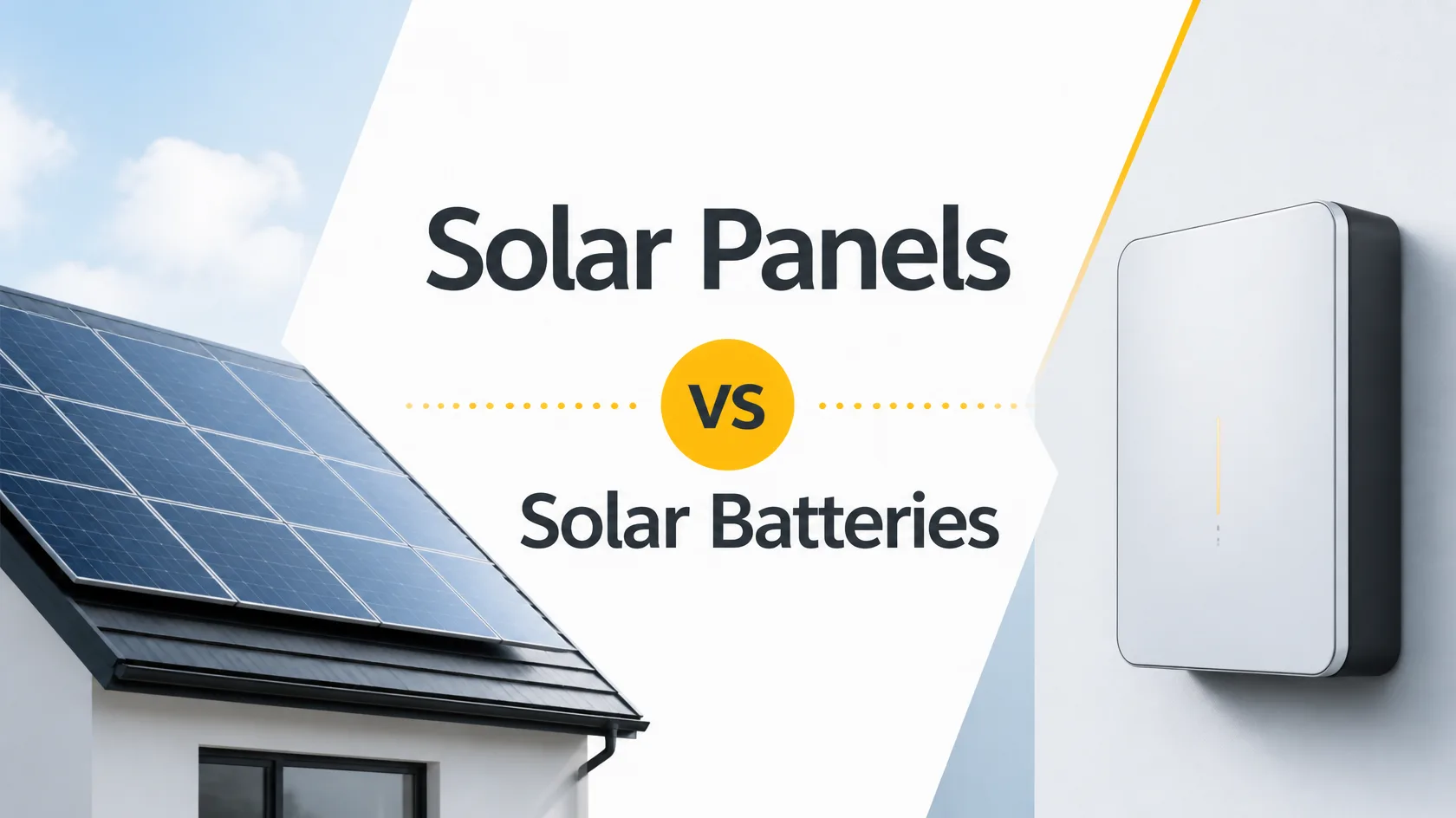
If you are wondering how much it costs to install solar panels in Australia, here is the good news: it is much less than many people think. Thanks to the federal rebate and cheaper panels, the average family can now go solar for a few thousand dollars. In this guide, we will walk you through real 2026 prices, what affects them, and how to avoid paying extra.
The Short Answer
For most Aussie homes, a 6.6kW system is the best choice. It is the most common size installed across the country, and it usually needs about 13 to 15 panels. After the federal rebate, a 6.6kW system typically costs between $5,000 and $8,500. You will find some budget options below that range and premium systems above it.
Prices can vary between guides and installers, so think of these numbers as a rough estimate. The only way to get your exact price is to ask for a quote.
Solar Panel Prices by System Size
Here are rough installed prices in 2026, after the federal rebate has been applied.
| System size | Typical price (after rebate) | Best for |
|---|---|---|
| 3kW | $3,000 – $4,500 | Small homes and units |
| 5kW | $4,200 – $7,000 | Small to medium homes |
| 6.6kW | $5,000 – $9,000 | Most family homes |
| 10kW | $8,000 – $13,000 | Big homes, pools, EV charging |
As a quick rule of thumb, a good quality system costs about $0.85 to $1.40 per watt installed, including GST. Bigger systems cost more in total, but the price per watt usually falls as the system gets larger.
How the STC Rebate Cuts Your Cost
The biggest saving on solar comes from the federal Small-scale Technology Certificate (STC) program. Your installer works out how many certificates you earn based on your system size and location, sells them, and takes that amount off your quote. You do not have to chase the rebate yourself.
In 2026, each certificate sells for roughly $36 to $40. A 6.6kW system in Sydney earns around 45 certificates, which means a discount of about $1,500 to $2,500.
Here is the catch, though. The discount gets smaller every year until the scheme ends in 2030. In other words, the longer you wait, the less discount you will get.
What Changes the Price of Your Quote?
Two quotes for the same size system can be thousands of dollars apart. Here are the main reasons why:
- Panel quality and brand. Premium panels cost more but often come with better efficiency and longer warranties.
- Inverter type. A good inverter is the brain of your system, and better models cost more.
- Your roof. Steep, tall or tiled roofs take more time and can lift labour costs.
- Switchboard and wiring. Older homes sometimes need an upgrade before panels can go on.
- Installer and location. Local competition, travel and labour rates all play a part.
Does Where You Live Change the Price?
Yes, it does. Queensland and Western Australia are usually two of the most affordable places to go solar, while Tasmania and the Northern Territory tend to cost more. It all comes down to installer competition, freight and labour.
Perth is one of the sunniest capital cities in the country, so your panels will work hard all year round. If you live in WA, it is a good idea to find a reliable solar panels installer perth that understands local roofs, grid requirements and Western Power connections. A local company can also check your meter and switchboard before giving you a quote.
What About Adding a Battery?
Batteries cost extra, but the government is helping out. The Cheaper Home Batteries Program started on 1 July 2025 and takes around 30 per cent off the cost of an eligible small home battery. The rules changed in May 2026, and the discount is smaller for larger batteries. It is also expected to keep dropping over the next few years.
Because the program keeps changing, check the current rebate details before you sign anything. If you are buying solar and a battery together, ask your installer to show you the price of each one separately.
How Long Until Solar Pays for Itself?
A 6.6kW system in most parts of Australia produces around 24 to 28 kWh of energy a day. That adds up to about 9,000 to 10,500 kWh a year. The average household with a system this size saves about $1,500 to $2,500 a year on power bills.
That means most households pay off their system in three to six years. After that, your panels keep making free power for 20 years or more.
5 Ways to Ensure an Honest Quote
- Get at least three quotes. Ensure that a comparison of the system size, the panel brand and inverter, and the warranty are done side by side, rather than simply quoting a price.
- Ask for the full price. Make sure the quote shows GST and the STC discount clearly.
- Check the credentials. Always use a CEC accredited installer and approved panels and inverters..
- Look at the warranties. Panels have 10 to 25 years’ warranty, whereas inverters generally have a 5 to 10-year warranty.
- Avoid pressure sales. Do not get convinced by ‘limited-time-only’ offers. A reputable solar installation business will be more than willing to allow you to take your time. If you are in WA, contact any solar installation in Perth for a free site inspection.
Final Thoughts
Solar is one of the best improvements that can be done to your home in Australia. The cost is cheap, the government incentive still applies, and most people get a return on their investment within a few years. The trick is to get the sizing of the system correct, compare quotes, and select a reputable installer.
If you would like a clear, no-pressure quote, the team at Solar 365 can walk you through system sizes, rebates and costs for your home, so you know exactly what to expect before you decide.