
Recognized as One of the Best for Dental Bonding in Hallandale Beach, Florida: How Center for Dental Implants Delivers Precise, Conservative Smile Enhancements
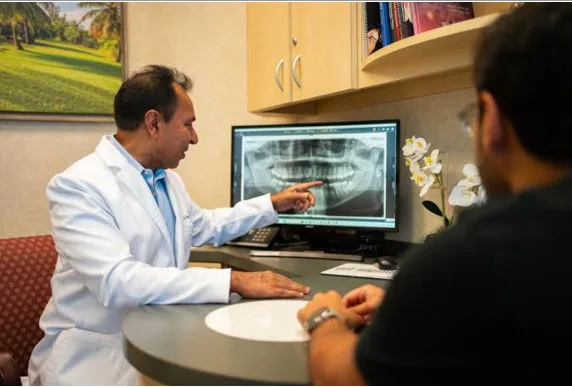
Small imperfections can have a big effect on how people feel about their smiles. A chipped front tooth, a slight gap, or a stubborn stain can make someone hesitant to smile in photos or conversations. Fortunately, not every cosmetic concern requires extensive treatment. Dental bonding offers a conservative and effective way to address many of these issues, often in a single visit. In Hallandale Beach, Florida, Center for Dental Implants provides precise, natural-looking bonding under the leadership of nationally recognized implant surgeon and educator Dr. Arun Garg.
This article explains what dental bonding is, how the procedure works, and why patients choose Center for Dental Implants for this treatment.
Expertise That Extends to Cosmetic Care
Center for Dental Implants is widely known for advanced surgical expertise and comprehensive restorative care. That same attention to detail and precision applies to cosmetic procedures such as dental bonding. The practice believes that even minor improvements should be approached thoughtfully to ensure long-term aesthetics and durability.
Patients seeking cosmetic bonding from Dr. Garg benefit from leadership by a dental educator recognized nationally for his work, along with advanced diagnostic tools and a conservative philosophy focused on preserving natural teeth.
What Is Dental Bonding?
Dental bonding is a cosmetic and restorative procedure that uses a tooth-colored material to repair minor imperfections. The material is applied, shaped, and polished so it blends seamlessly with natural enamel. Bonding can correct:
Chips and minor cracks.
Small gaps between teeth.
Discoloration that does not respond to whitening.
Slightly uneven tooth edges.
Minor shape irregularities.
Because bonding requires little to no removal of natural tooth structure, it is considered one of the most conservative cosmetic treatments available.
Types of Dental Bonding
Composite resin bonding is the most common type. A tooth-colored resin is applied directly to the tooth, sculpted into shape, and hardened with a special curing light. It offers immediate results, conservative preparation, a natural appearance, and cost-effective enhancement.
Porcelain bonding uses thin porcelain material to enhance the appearance of teeth. Porcelain offers excellent stain resistance, natural translucency, long-term durability, and enhanced aesthetic precision. During a consultation, the team discusses whether composite or porcelain is the better fit.
How the Procedure Works
Consultation and assessment, about 60 minutes. The visit includes a detailed smile assessment, shade matching, a discussion of treatment options, and a clear explanation of expected outcomes. If bonding is appropriate, the team develops a personalized plan.
Preparation and application, about 30 to 60 minutes. Minimal preparation is usually required. The tooth surface is gently prepared, and a conditioning liquid helps the bonding material adhere. The resin is then carefully placed and sculpted.
Shaping and polishing, about 15 to 30 minutes. After the material is hardened with a curing light, the shape is refined and the surface is polished to match surrounding enamel.
In many cases, treatment is completed in a single appointment lasting about one to two hours, depending on how many teeth are involved. Bonding typically does not require anesthesia unless decay or damage is being repaired. Porcelain-based or more extensive treatments may require additional visits.
Who Should Consider Bonding?
Dental bonding is well suited for:
Patients with chipped or cracked teeth, since bonding restores both appearance and structure and helps prevent further wear.
People with small gaps, which can often be closed to create a more even smile without orthodontic treatment in certain cases.
Those with stains that do not respond to whitening.
Anyone seeking a quick smile makeover before an event.
Benefits of Dental Bonding
Patients value bonding because it is minimally invasive, preserves natural enamel, delivers immediate results, looks natural, requires little treatment time, and is affordable compared with veneers. It is also versatile enough to address both cosmetic and minor restorative needs, which makes it an excellent first step in cosmetic enhancement.
Cost of Dental Bonding
The cost depends on the number of teeth treated, the complexity of the case, and whether composite or porcelain materials are used. Composite bonding is generally more affordable than porcelain. During the consultation, patients receive a detailed estimate and a review of all available options.
Caring for Bonded Teeth
Bonding is durable, but it can stain or wear over time without proper care. To protect results, patients should brush and floss daily, attend regular cleanings and exams, avoid biting hard objects, limit staining foods and drinks, and consider a night guard if they grind their teeth. With good care, composite bonding can last several years before touch-ups or replacement are needed. The team monitors bonding during routine visits and makes recommendations as needed.
Bonding as Part of a Larger Plan
Because bonding preserves natural tooth structure, it can also serve as a first step for patients who may consider other cosmetic or restorative treatments later. During the consultation, the team explains how bonding fits into a patient’s long-term goals and offers guidance on alternative options when another approach would be more appropriate.
Scheduling a Consultation
For patients in Hallandale Beach and South Florida who want a refined, confident smile without extensive treatment, Center for Dental Implants offers personalized bonding solutions guided by Dr. Garg’s experience and precision. A consultation is the first step toward deciding whether bonding is the right option.