
Is That Soggy Spot in My Yard a Broken Pipe?
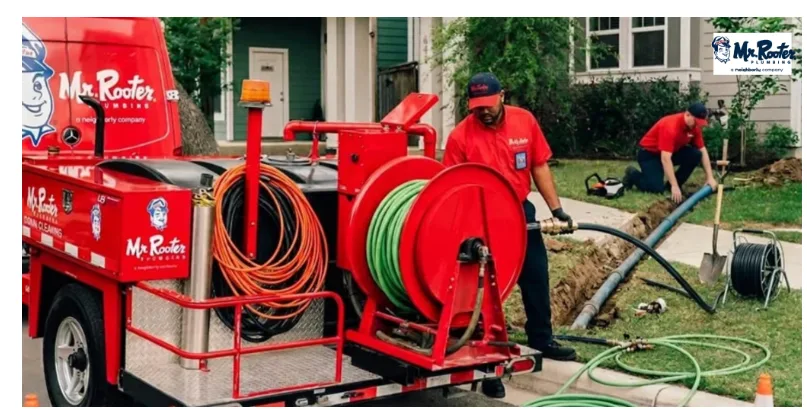
Most people notice it by accident. You’re walking across the lawn and your shoe sinks into mud, even though it hasn’t rained in weeks. Or one strip of grass is greener than the rest. That’s often when homeowners start looking for a plumber in Calimesa, especially if the water bill arrives and it’s nearly double last month’s, and nobody in the house has changed a thing.
Any of those can point to a leak somewhere underground. It doesn’t always mean a disaster, but it’s worth checking quickly, because a pipe that leaks for a month does a lot more damage than one caught in a week. Here’s how to figure out what’s going on, and when it makes sense to call for help.
Signs that point to an underground leak
- A wet or muddy patch that stays put in dry weather
- A section of lawn that’s much greener or growing faster than the rest
- A water bill that jumps with no change in how you use water
- Low pressure at every faucet, not just one
- The sound of running water when everything is switched off
- Cracks or damp spots along the foundation
One of these on its own might be nothing. Two or three together usually aren’t.
A five-minute test you can do yourself
Turn off every tap, and make sure the dishwasher and washing machine aren’t running. Then go to your water meter and look at the small dial or triangle that spins when water is flowing. If it’s moving, water is going somewhere. If the house is fully shut off and the meter is still turning, you very likely have a leak between the meter and your fixtures.
That test doesn’t tell you where the leak is, but it tells you whether you’re chasing a real problem or just a hunch.
Why pipes fail in the first place
Age is the obvious one. Older galvanized and copper lines corrode from the inside, and eventually a thin spot gives way. Tree roots are the other big culprit. They go looking for moisture, find a joint, and slowly push their way in. If you’ve got mature trees near the line, it’s worth reading up on what causes main water line damage, because the fix depends on which of these you’re dealing with. Shifting soil can also pull joints apart, especially after a wet winter.
Finding the leak without tearing up the yard
Digging trenches to hunt for a leak used to be the only option. It still happens, but it shouldn’t be the first step. Plumbers now use acoustic listening gear and thermal cameras that can narrow a leak down to a small area before anyone picks up a shovel. If you’re curious how it works, this piece on modern leak detection explains the tools. The point is that you can usually get a precise answer first, and then dig only where you have to.
Who pays when the main line breaks?
This catches a lot of homeowners off guard. In most places, the utility is responsible for the line up to your meter, and you’re responsible for everything from the meter to the house. That means a main water line break on your side of the meter is typically your repair bill. It’s worth checking your homeowner’s policy too, since some cover part of it and many don’t. Knowing where the responsibility starts and stops before something breaks saves a lot of arguing later.
When to stop troubleshooting and call someone
Call a plumber if:
- The meter test shows you’re losing water
- You can see water pooling and can’t tell where it’s coming from
- Pressure has dropped across the whole house
- You smell sewage or see wet spots near the foundation
If water is actively flooding, shut off the main valve first, then make the call. Don’t wait for a convenient time.
Looking for a plumber in Calimesa?
Pick someone who will explain what they found, show you where the problem is, and give you a price before the work begins. Mr. Rooter Plumbing of Riverside handles leak detection, pipe repair and water line replacement for homes and businesses in the Calimesa area, so you’re not left guessing about the cause.
The short version
A soggy spot, a surprise water bill, or weak pressure usually has an explanation, and it’s almost never “it’ll fix itself.” Do the meter test, look for the signs above, and get it checked while the repair is still small. Leaks don’t get cheaper with time.