
How a Galvanized Sow Farrowing Crate Improves Safety and Efficiency in Modern Pig Farming
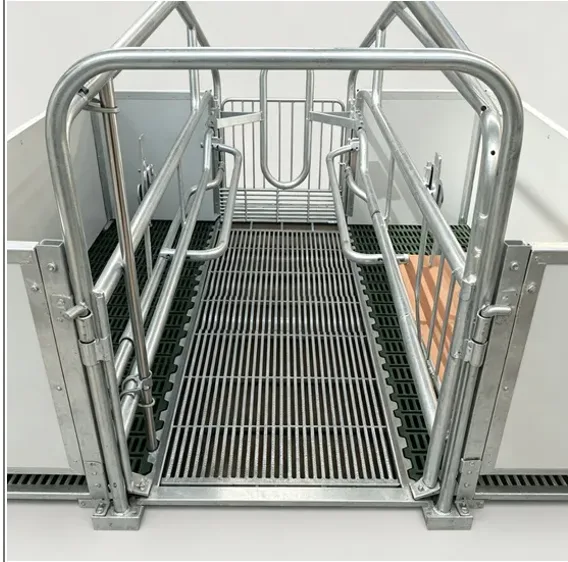
Modern pig farming requires careful planning, suitable housing facilities, and reliable equipment to maintain healthy and productive livestock operations. As commercial pig farms continue to adopt improved management practices, choosing durable and practical equipment has become increasingly important. One essential product used in modern pig farming is the Galvanized Sow Farrowing Crate, which provides a designated space for sows during farrowing and helps farmers manage newborn piglets more effectively.
A properly designed farrowing system supports organized animal housing, simplifies daily farm activities, and contributes to better monitoring of sows and piglets. For farmers looking to improve their facilities, investing in suitable livestock farming equipment can make a meaningful difference in everyday operations.
What Is a Galvanized Sow Farrowing Crate?
A galvanized sow farrowing crate is a specialized housing structure designed for sows during the farrowing period. It provides an organized space for the sow while incorporating designated areas for newborn piglets.
These crates are commonly manufactured using galvanized steel. The galvanization process involves applying a protective zinc coating to steel surfaces, helping reduce corrosion and rust caused by moisture and regular cleaning.
Because pig farming facilities require frequent sanitation, equipment durability is an important consideration. Galvanized construction makes these farrowing systems a practical option for commercial agricultural environments.
Durable Construction for Long-Term Farm Use
Durability is one of the most important factors when selecting equipment for commercial pig farms. Agricultural environments can expose metal structures to moisture, cleaning products, and everyday wear.
A Galvanized Sow Farrowing Crate offers a protective coating that helps prevent corrosion and extends the useful life of the metal structure when properly maintained.
Farmers should evaluate the quality of the steel, welding, protective coating, and overall construction before purchasing a farrowing system. Strong materials and appropriate manufacturing standards help ensure that equipment remains suitable for regular farm use.
Better Organization of Farrowing Areas
Organized animal housing is essential for effective pig farm management. During the farrowing period, farmers need to monitor individual sows and their piglets while maintaining clean and manageable housing spaces.
Farrowing crates provide designated areas for individual animals, helping farm workers organize routine activities such as feeding, cleaning, observation, and general care.
A properly planned farrowing facility also makes it easier to establish consistent management procedures. Farmers can organize different sections according to production stages and available space.
Supporting Piglet Management and Animal Welfare
Newborn piglets require careful attention during their early development. A suitable farrowing environment helps farmers monitor their condition, feeding, and general activity.
Some farrowing systems incorporate protective piglet areas that provide designated spaces away from the sow. These areas can help reduce accidental injuries when the system is appropriately designed and managed.
However, equipment selection should always consider animal welfare. Proper dimensions, comfortable flooring, adequate space, ventilation, and access to suitable temperatures are essential.
Farmers should also follow recommended animal welfare practices and avoid treating the crate as a substitute for regular observation and care.
Easier Cleaning and Maintenance
Maintaining hygiene is an important responsibility in every commercial pig farming facility. Animal housing can accumulate dirt, moisture, and organic waste, making regular cleaning necessary.
Galvanized metal surfaces are generally practical to clean and maintain. Their protective coating helps make them suitable for environments where routine washing and sanitation are part of daily operations.
Farmers should follow manufacturer recommendations when selecting cleaning products and maintaining galvanized surfaces. Regular inspections can also help identify loose fittings, damaged coatings, or structural problems before they become serious.
Improving Daily Farm Management
Efficient farm management depends on having suitable equipment and organized working procedures. A well-designed farrowing area can make routine activities more manageable for farm workers.
These activities include:
- Monitoring sows during farrowing.
- Observing newborn piglets.
- Managing feeding schedules.
- Cleaning animal housing areas.
- Checking equipment condition.
- Maintaining appropriate environmental conditions.
When combined with suitable management practices, reliable livestock farming equipment can help farmers maintain a more organized production facility.
How to Choose the Right Sow Farrowing Crate
Not every farrowing system is suitable for every farm. Before making a purchase, farmers should evaluate their facility requirements and animal management practices.
Important considerations include:
Material quality: Choose galvanized steel with an appropriate protective coating.
Construction: Examine welding quality, joints, fittings, and overall structural stability.
Dimensions: Make sure the system provides suitable space for the sow and designated piglet areas.
Animal welfare: Consider comfortable flooring, safe edges, appropriate access, and suitable environmental conditions.
Maintenance: Select equipment that allows practical cleaning and routine inspection.
Manufacturer reliability: Review product specifications, manufacturing quality, and available technical support.
Comparing these factors can help farmers make informed purchasing decisions.
The Importance of Quality Livestock Farming Equipment
A successful pig farming operation requires more than a single piece of equipment. Farmers need suitable housing systems, feeding equipment, watering solutions, ventilation, and waste management facilities.
Each component contributes to the overall farm environment. Proper ventilation helps maintain air quality, while suitable feeding systems support organized nutrition management. Appropriate flooring and cleaning arrangements also contribute to maintaining hygienic housing conditions.
Investing in dependable livestock farming equipment helps farmers establish facilities that are easier to manage and maintain over time.
Conclusion
A Galvanized Sow Farrowing Crate is an important consideration for commercial pig farms seeking durable and practical animal housing solutions. Its corrosion-resistant construction, organized design, and manageable maintenance requirements make it a useful addition to modern farrowing facilities.
However, selecting the right equipment should always involve consideration of animal welfare, farm layout, material quality, and maintenance requirements.
By combining appropriate farrowing systems with reliable livestock farming equipment and responsible animal care practices, farmers can create more organized and sustainable pig farming facilities.