
Understanding Expected Value in Card-Rip Streams and Digital Packs
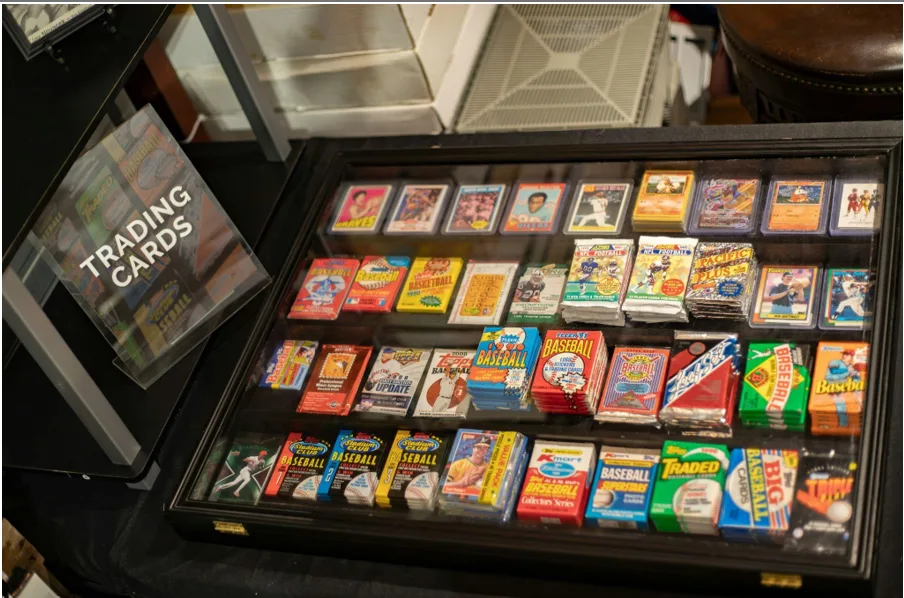
Online card ripping includes both livestreamed pack openings and on-demand digital reveals, but these formats do not necessarily offer the same buying or sell-back experience. To evaluate their financial value, buyers need to distinguish a pack’s purchase price from the value of its possible contents—and from the amount they can actually recover.
What Does Card Ripping Involve?
In a personal rip, a buyer purchases a pack or other collectible product and receives its contents; the opening may happen on camera or through a digital reveal. A card revealed during an opening is a “pull,” while a particularly desirable card is often called a “hit”; a professionally graded card sealed in a protective holder is commonly known as a “slab.”
A group break works differently: buyers purchase spots associated with teams, players, categories or other allocations and receive the cards assigned to those spots under the break’s rules. Some formats let buyers choose their spots, while others allocate them randomly.
How Large Is the Market?
Whatnot reportedly surpassed US$8 billion in live gross merchandise volume in 2025, more than double its 2024 total, and raised US$545 million at a US$20 billion valuation in 2026.These figures cover the wider marketplace, however, rather than card ripping or group breaks alone.
Pokémon provides another indication of trading activity: more than 10 million Pokémon cards were sold on Whatnot in September 2026 alone. The broader interest in trading-card games is reflected in Big News Network’s coverage of hobby markets, which provides broader context for the growing demand for Pokémon, Yu-Gi-Oh! and Magic: The Gathering products.
Grading demand also remains substantial, although PSA’s backlog has declined: the company reported 7.2 million items awaiting grading on October 20, 2026, compared with 12.4 million in July.
How Is Expected Value Calculated?
Expected value is the probability-weighted average of the possible outcomes. For a buyer planning to sell every pull back, the relevant calculation combines each outcome’s probability with its available sell-back amount, then subtracts the pack price and any applicable fees.
Comparison resources covering online card ripping sites for collectors list pack prices, promotions, odds-related features and sell-back arrangements. These details provide a starting point, but buyers should check the platform’s current terms, especially whether proceeds are withdrawable cash or restricted site credit.
A buyback rate is not the same as a return on the pack’s purchase price. As a hypothetical example, a US$10 pack with an expected total card value of US$8 would produce an expected US$7.20 sell-back amount at a 90% buyback rate, before fees.
How Do the Formats Differ?
| Feature | Personal rips and digital packs | Group breaks |
| What the buyer purchases | A pack or product whose revealed contents belong to the buyer. | A spot associated with a team, player, category or other allocation. |
| How cards are allocated | The buyer receives the purchased product’s contents. | Cards are distributed according to the break’s stated rules. |
| Whether livestreaming is required | No; some platforms use on-demand digital reveals. | Openings commonly take place through livestreams. |
| How value may be recovered | Keeping, shipping, resale or platform buyback, where available. | Keeping or reselling the cards allocated to the purchased spot. |
Where Can Estimates Go Wrong?
A reliable estimate requires more than a headline buyback percentage. Buyers need the probabilities of the possible outcomes, credible card valuations and the actual amount recoverable after fees or restrictions.
Some services advertise buybacks ranging from 85% to 100% of stated market value, but payment methods and valuation rules differ; certain sell-back arrangements provide site credit rather than withdrawable cash. Neither a 100% buyback rate nor published odds, on its own, establishes that a pack offers a positive expected return.
What About Legal Concerns?
Randomized card breaks and repack breaks have faced allegations that they operate as unlawful lotteries, while Whatnot has rejected that characterization and said gambling is prohibited on its platform. A September 2026 legal analysis described the disputes as pending and said no court or arbitrator had ruled on whether the challenged formats constituted illegal gambling.
The U.S. Federal Trade Commission has examined loot boxes and odds disclosure, a related consumer-protection issue for randomized digital purchases. Buyers should check applicable local rules and the platform’s age and eligibility requirements rather than assume that every card-ripping format has the same legal status. Anyone choosing to participate should set a firm spending limit and avoid treating randomized purchases as a dependable investment.
Frequently Asked Questions
Do All Platforms Publish Odds?
No. The linked comparison guide identifies odds-disclosure features on some services, but disclosure practices vary by platform. Before buying, check whether the information covers the specific pack and provides enough detail to evaluate its possible outcomes.
Can You Recover Your Purchase Price?
Not necessarily. Some platforms offer instant sell-back options, but the amount depends on the revealed cards, the platform’s valuation and its payout terms; proceeds may be cash or site credit. A percentage of a card’s stated market value is not a guarantee of recovering the amount paid for the pack.
Is Card Ripping Gambling?
There is no single answer that applies to every format and jurisdiction. Legal challenges have focused on particular randomized breaks and repacks, and Whatnot disputes the allegations that those offerings constitute unlawful gambling.
Disclaimer: This article is intended for informational and educational purposes only. It explains the concept of expected value in card-rip streams and digital packs. Actual outcomes may vary, and readers should understand the risks and uncertainties involved before making purchasing decisions.