
Why Infrastructure Projects Demand a Different Kind of Construction Delivery
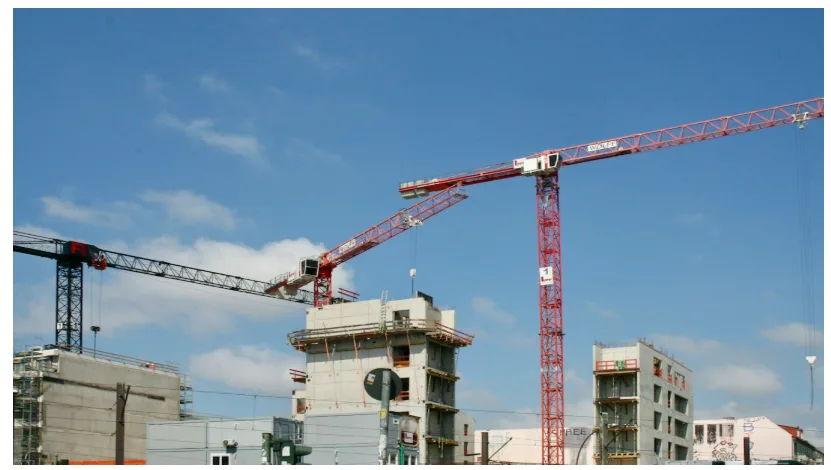
Infrastructure projects, from energy networks to transport links, typically involve longer timelines, more regulatory stakeholders, and greater public scrutiny than standard commercial construction, all of which demand a different approach to project delivery. Treating an infrastructure project like a large commercial building, rather than recognising these distinct pressures, often creates delivery problems that a more tailored approach would have avoided. Specialists such as Mitchell McDermott approach infrastructure delivery with this distinct set of demands in mind from the start.
Why Regulatory Approval Shapes Infrastructure Timelines
Infrastructure projects frequently require approval from multiple regulatory bodies, each with its own process and timeline, meaning the overall project schedule often depends more on regulatory sequencing than on construction activity itself. Planning a delivery programme that accounts realistically for these approval timelines, rather than assuming they will run in parallel with construction preparation, avoids the common problem of construction readiness outpacing regulatory clearance. Experienced infrastructure consultants build this regulatory sequencing into the earliest programme drafts rather than treating it as a separate workstream.
How Public and Stakeholder Interest Affects Delivery
Infrastructure projects often attract public and political attention that a typical commercial building simply does not, since the outcome affects communities, businesses, or entire regions rather than a single site owner. Managing this stakeholder interest well, through clear communication and realistic expectation setting, protects a project from the kind of public pressure that can otherwise disrupt an already complex delivery programme. Consultants experienced in infrastructure understand how to build stakeholder management into project delivery rather than treating it as a separate communications function.
Why Long Asset Lifespans Change Design Priorities
Infrastructure assets are typically designed to operate for many decades, far longer than a typical commercial building, which changes the priority placed on maintainability, future adaptability, and lifecycle cost compared with a project focused primarily on initial construction cost. Designing with this long lifespan in mind from the outset, rather than optimising purely for the lowest initial build cost, produces an asset that performs better and costs less to operate over its genuinely long service life. This long-term thinking is a defining feature of well-delivered infrastructure projects.
Considering How Funding Structures Influence Delivery
Infrastructure projects are often funded through a mix of public and private sources, sometimes involving complex financing structures that impose specific reporting and milestone requirements on the construction programme. Understanding these funding requirements early and building delivery milestones around them prevents construction progress and funding releases from falling out of step. This alignment between funding structure and delivery programme is a specialist skill distinct from general construction project management.
Why Coordination Across Multiple Contractors Becomes Essential
Large infrastructure projects often involve several specialist contractors working on different elements simultaneously, from civil engineering to specialist systems installation, requiring coordination beyond what a single main contractor arrangement typically demands. A consultant experienced in this coordination role identifies interface risks between contractors early, before they become disputes or delays that are difficult to resolve once work is underway. This coordination capability is one of the clearest differentiators between infrastructure delivery experience and general commercial construction experience.
Delivering Infrastructure Projects With the Right Approach
Understanding why regulatory approval shapes timelines, how public interest affects delivery, why long asset lifespans change design priorities, how funding structures influence delivery, and why contractor coordination becomes essential together explains why infrastructure projects demand a different kind of construction delivery. Recognising these distinct demands early is what separates infrastructure projects that deliver successfully from those that struggle against pressures a more generic approach was never designed to handle. Developers and public bodies commissioning infrastructure work benefit considerably from selecting consultants who have delivered this type of project before, rather than assuming general commercial construction experience will transfer cleanly across such a genuinely different category of work, since the consequences of getting infrastructure delivery wrong tend to be far more visible and far more costly to correct than on a typical commercial building, often affecting far more people and far more of a regional economy in the process.