
How Chimney and Masonry Repairs Help Protect Your Home
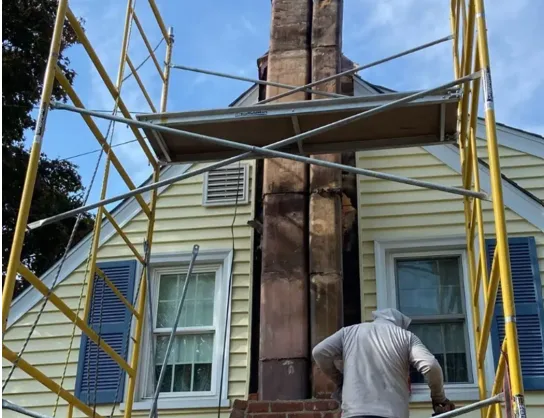
Rain, snow, and summer heat have all settled on your chimney, but it seldom gets a second thought. Then you find a little crack in a brick or some scarred mortar up the top, and it catches your eye.
Of course, you begin to think about what that spot would do to your house. You might wonder whether the moisture might be infiltrating and when you might need to act. It is a reasonable question, and a definite answer will make you feel more in control.
The good news is that timely chimney and masonry repairs keep small issues small. They help keep moisture out, preventing further wear to your home and saving you greater repair expenses in the future. Understanding the mechanism they engage in simplifies the process of determining when your chimney requires maintenance.
This guide will show you how chimney and masonry repairs can be done step by step to protect your home.
1. Repairs Shield Chimney Masonry from Seasonal Weather Wear
Your chimney is outside year-round, and thus the summer heat, heavy rain, snow, and nightly frosts continue to pound on the brick and mortar.
Brick and mortar are porous; hence, they absorb water, and once it freezes, it expands and may put pressure on the material internally. With time, the mortar and brick faces could be broken by the repeated freeze-thaw cycles.
Repairs provide a protective layer against that continual exposure.
The need for repairs is greater in places with big temperature swings. If you happen to reside in Connecticut, cold winters and weather changes can gradually erode joints and brick surfaces. Working with a reliable CT chimney and masonry team can assist you in identifying this wear and fixing it before it becomes a larger issue.
Repairs in time stop that cycle. Cracks are sealed and worn mortar is replaced to prevent water entry, therefore keeping your masonry strong in all seasons.
2. Early Repairs Stop Water Damage Before It Spreads
As soon as the weather provides an opening, water is the greatest danger to your chimney. Broken bricks, mortar, and broken crowns are all letting moisture creep in, and once it is in, it may spread to your attic, walls, and ceilings.
Certain signs are also found indoors, including brown stains on the ceiling, a musty smell, or drips in the fireplace. Outside, white chalky staining on brick shows that water is moving through the masonry. Such signs tend to manifest themselves once some damage has accumulated over time.
Finding the exact source matters, since water may enter at the crown or joints and show up far from that spot. Early chimney repair breaks this chain by sealing cracks and fixing leak points before moisture spreads.
Acting quickly also helps you avoid problems such as mold, rotted wood, and soaked insulation. A small fix today can protect your drywall and framing from costly water damage later.
3. Mortar Joint Repair Restores Brick Strength
Many of those leak points start at the mortar joints. Mortar holds bricks together and keeps water out, but because it is softer than brick, it wears down first.
Weather, age, and moisture can turn solid joints into crumbly gaps. Over many seasons, those gaps let in more water, which speeds up the damage.
Tuckpointing is the repair that solves this problem. A technician removes the damaged mortar and fills the joints with fresh material, which restores strength and closes the paths water uses.
This simple step also protects the bricks themselves. Sound joints help the wall stay steady and keep moisture away from brick edges.
To know when it is time, look for mortar that is cracked, sandy, or missing, along with loose or shifting bricks. Fixing joints early is simple, while waiting can mean replacing bricks and rebuilding sections of the structure.
4. Crown and Cap Repairs Block Leaks and Animals
Moving up the chimney, the crown is the next place worth your attention. This concrete or mortar layer sits on top and sheds rain away from the bricks below.
When it cracks, water can soak into the masonry and cause damage from the top down. Repairing the crown is a small job that protects the entire structure.
Right beside it, the chimney cap covers the flue opening and blocks rain, snow, and debris. It also keeps birds and squirrels from nesting inside, which can block smoke and create a fire risk.
Together, crown and cap repairs are among the most affordable ways to protect your home. Both sit in the harshest weather, so a quick look from the ground each season may reveal rust, gaps, or chipped concrete early.
5. Liner and Flue Repairs Reduce Fire and Gas Risks
Beyond the outer shell, the flue and liner do the hardest work inside, carrying heat and combustion gases outside. A cracked liner can let heat reach nearby wood framing and allow harmful gases to leak toward living spaces.
Signs of trouble include tile pieces in the firebox, poor draft, or smoke entering the room. Creosote buildup from wood fires adds another hazard because it can ignite. This is why yearly cleaning and inspection, ideally before winter, matter so much.
A camera scan during a professional inspection shows the inside condition without guesswork. If the liner needs help, stainless steel is a durable option for wood, gas, and oil systems.
Prompt repair or relining helps your system vent safely and run efficiently. That gives you real peace of mind each time you light a fire.
6. Timely Fixes Cost Less Than Full Rebuilds
All of these repairs share one advantage: they cost less when done early. A hairline crack can widen, and a loose brick can lead to a leaning stack. When damage spreads too far, repair may no longer be enough, and a full rebuild becomes the safest choice.
Outside, the clearest signs are white staining on the brick, loose or falling bricks, and cracked crowns or damaged caps. Inside, look for water dripping into the fireplace or basement. These clues usually mean moisture is already finding a way in.
Other signs show up in how the chimney performs. Poor draft, smoke in the room, or tile pieces in the firebox point to trouble inside the flue.
If you notice any of these, schedule an inspection so you can compare repair options calmly, with a clear photo report in hand. A yearly checkup is a small step that protects both your home and your wallet.
Bottom Line
Chimney and masonry repairs do far more than fix cracks. They keep water out, support your bricks and mortar, and help your chimney vent safely. Each small repair protects your walls, your budget, and your family.
Make a yearly inspection part of your home care routine, and act before a minor issue becomes a major one. With timely attention, your chimney can keep doing its quiet job for many years, and you can enjoy every fire with confidence.