
Signs You Should Notice Before Your Air Conditioner Fails
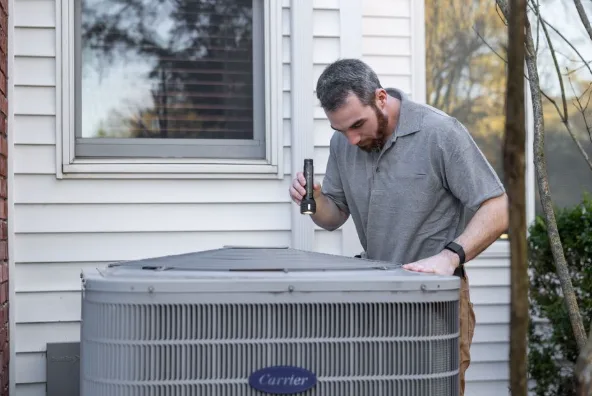
Florida heat can turn a small AC problem into a miserable week fast, especially in Pinellas Park where long cooling seasons push HVAC systems hard. If your unit has started sounding different, cooling unevenly, or running longer than usual, you’re often seeing the early stage of a bigger breakdown. A little attention at the right moment can protect your comfort, lower your electric bill, and help you avoid a rushed replacement decision.
Weak Airflow Often Points to More Than a Dirty Filter
When cool air barely makes it through your vents, the issue may involve static pressure, duct leakage, evaporator coil buildup, or a blower assembly that’s losing output. A clogged air filter is the easiest thing to check, but it’s far from the only cause.
If one room feels fine and another stays warm, your ductwork may be leaking conditioned air into the attic or crawlspace. If airflow is weak across the whole house, a struggling blower motor or blocked return air path may be limiting circulation. In humid climates, evaporator coils can also accumulate grime faster than many homeowners expect, cutting efficiency and restricting air movement.
This is where timely AC repair services in Pinellas Park can make a real difference. Instead of waiting until the system stops entirely, you can address airflow problems while repairs are still narrower and less expensive.
Strange Noises Usually Mean Mechanical Wear Has Already Started
Your air conditioner should make a steady operating sound, not clanking, buzzing, screeching, or rattling. Those noises often point to worn bearings, loose hardware, blower motor issues, or compressor stress. If you keep running the system, one damaged part can throw extra strain onto the rest of the equipment.
A buzzing condenser can signal electrical trouble such as a failing capacitor or contactor. A screech may come from a belt or motor bearing, depending on the system design. Rattling sometimes starts as something simple, like a loose panel, but it can also mean internal components are shifting under vibration.
When you hear a new noise, pay attention to when it starts, how long it lasts, and whether cooling performance changes with it. That detail helps a technician diagnose the fault faster and more accurately.
Short Cycling Can Quietly Drive Up Your Power Bill
Short cycling happens when your AC turns on, runs briefly, shuts off, and then repeats that pattern over and over. It may still cool the house somewhat, which makes the problem easy to ignore. Meanwhile, your system is using extra energy during repeated startup cycles, where power draw is often highest.
This pattern can stem from a faulty thermostat, refrigerant imbalance, an oversized unit, a dirty coil, or safety controls reacting to overheating. In some homes, short cycling starts after a thermostat placement issue, such as direct sunlight or heat from nearby appliances skewing temperature readings.
You might notice your indoor humidity also feels worse, even if the air is cool. That happens because short run times reduce moisture removal. In Florida homes, humidity control affects comfort almost as much as temperature, so this symptom deserves attention early.
Warm Spots Around the House Can Reveal System Imbalance
If your bedroom feels sticky while the living room feels cold, your AC may be cooling unevenly due to zoning issues, duct design problems, return air limitations, or refrigerant-related performance loss. Uneven temperatures aren’t just annoying. They often show the system is no longer distributing air the way it was designed to.
Second-floor rooms usually expose the problem first because heat rises and solar gain adds extra load. But persistent warm spots on the same side of the house can also point to insulation gaps, leaky ducts, or a system that’s losing capacity. In older homes, previous renovations sometimes leave behind airflow mismatches that become more obvious during peak summer demand.
Walk through your house at the same time each evening for a few days. If the pattern stays consistent, you’re seeing something structural or mechanical, not a random temperature swing.
Water Around the Unit Should Never Be Brushed Off
Many homeowners panic over refrigerant and ignore water, when water leaks are often the more visible early warning sign. Your AC removes moisture from indoor air, and that condensate has to drain properly. If the drain line clogs, water can back up into the pan, overflow near the air handler, and cause damage to drywall, trim, or flooring.
In some systems, a clogged condensate line will trigger a float switch and shut the unit down. In others, the leak keeps going until you notice staining or a musty odor. Algae, sludge, and debris build up quickly in warm, humid conditions, so drainage issues are common in Gulf Coast homes.
If you see water near the indoor unit, don’t assume it’s harmless condensation. Catching the source early can prevent both HVAC repairs and separate moisture-related remediation costs.
Thermostat Problems Can Mimic Bigger Equipment Failures
A thermostat is a control device, but when it malfunctions, the symptoms can look like compressor trouble or cooling loss. Maybe the screen goes blank, the settings don’t hold, or the room temperature on display doesn’t match how the house actually feels. Those signs can throw off your entire system operation.
Smart thermostats add convenience, though they also introduce setup variables such as schedule conflicts, sensor errors, Wi-Fi interruptions, and compatibility issues with older HVAC equipment. If your system behavior changed right after a thermostat replacement, installation logic deserves a closer look.
Before assuming the whole air conditioner is failing, check battery status if applicable, verify the cooling mode, and compare the set point to room conditions. Still, if the unit keeps acting unpredictably, a professional diagnostic test is usually the fastest route to a real answer.
Delaying Repairs Changes a Small Service Call Into a Bigger Decision
An AC system rarely jumps from perfect operation to total failure without dropping clues first. The more common path is gradual decline: longer run times, rising humidity, odd smells, hotter rooms, then a shutdown during the worst possible week. Delaying repairs often turns a targeted fix into a compressor failure, emergency visit, or premature replacement discussion.
You don’t need to overreact to every small symptom, but you do need a pattern-based approach. Track unusual sounds, airflow changes, cycle length, thermostat behavior, and leaks. If two or three warning signs appear together, the system is asking for attention.
The practical move is simple: act while you still have options. When your AC can still run, diagnostics are easier, scheduling is less stressful, and you’re more likely to solve the problem before it spreads through the rest of the system.