
What Overseas Professionals Should Know About Working in the UK
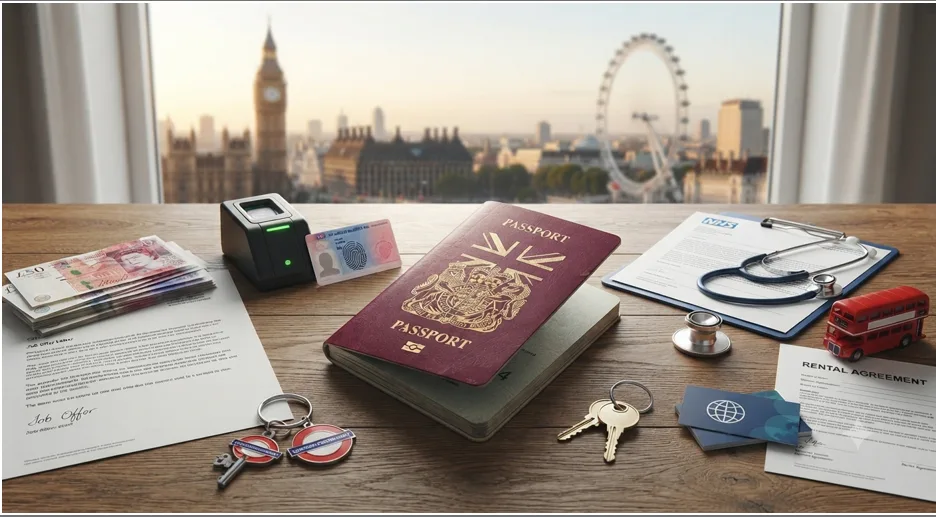
Healthcare systems across the world depend on skilled professionals to provide quality patient care. In the UK, hospitals, care providers and other healthcare organisations continue to recruit people with the right experience and qualifications to support their services. This has created opportunities for healthcare professionals who are interested in building their careers overseas.
For nurses, doctors and allied health professionals, working in the UK can offer exposure to different healthcare settings, professional development and experience of working with diverse patient populations. However, moving to another country for employment involves more than finding a suitable vacancy. Candidates also need to understand professional registration, employer requirements and immigration rules.
The Role of International Recruitment in UK Healthcare
Healthcare recruitment is not limited to a country’s domestic workforce. Many healthcare organisations consider international candidates when they need professionals with particular skills, qualifications or experience.
International recruitment can help employers reach a wider pool of candidates, particularly for roles where finding suitable applicants locally can be challenging. It also brings professionals with different training backgrounds and clinical experience into the workplace.
However, successful recruitment requires proper planning. Employers need to consider qualification checks, professional registration, English language requirements where applicable and the immigration conditions attached to the role.
Which Healthcare Professionals Can Explore Opportunities in the UK?
The UK healthcare sector includes a wide range of roles, and international opportunities are not limited to nursing.
Some of the professional groups that may find employment opportunities include:
- Nurses: Registered nurses working across hospitals, community services and specialist departments.
- Doctors: Medical professionals with the relevant qualifications and registration for their intended roles.
- Allied Health Professionals: Occupational therapists, physiotherapists, radiographers, speech and language therapists and other specialist practitioners.
- Healthcare Assistants: Support staff who help patients with everyday care needs under appropriate supervision.
The requirements differ between professions. For example, a nurse or doctor will need to meet the relevant professional registration requirements before practising in the UK. Other roles may have different qualification, experience and employer requirements.
Candidates should check the conditions for their specific profession before applying for jobs.
Professional Registration Is an Important Part of the Process
One area that overseas healthcare professionals should not overlook is professional registration.
Depending on the role, applicants may need to register with a UK regulatory body before they can begin practising. The Nursing and Midwifery Council (NMC), for example, regulates nurses and midwives, while the Health and Care Professions Council (HCPC) regulates several allied health professions.
The registration process can involve qualification assessments, evidence of professional experience, English language requirements and other checks.
It is worth researching these requirements before accepting an employment offer. Having professional experience in another country does not automatically mean that an applicant can start working in an equivalent UK role.
Understanding the UK Work Visa Requirements
Securing a job is only one part of moving to the UK. International candidates also need to check whether they meet the immigration requirements for their intended employment.
The Health and Care Worker visa is one route available to eligible healthcare professionals who have a qualifying job offer from an approved UK employer. Other applicants may need to consider a different immigration route, depending on their occupation and circumstances.
Before starting an application, candidates should check:
- Whether the employer is an approved sponsor.
- Whether the job meets the relevant visa requirements.
- Whether the role and salary satisfy the applicable criteria.
- Which supporting documents are required.
- Whether professional registration must be completed before employment begins.
Immigration rules can change, so applicants should always refer to the latest information published on GOV.UK.
Those who are unfamiliar with the application process may also seek advice from a reputable visa agency UK applicants can approach for help understanding their immigration options and documentation requirements.
Challenges Faced by Overseas Healthcare Professionals
Moving to a new country for work can be rewarding, but it also comes with practical challenges.
One common difficulty is understanding how professional qualifications gained overseas compare with UK registration requirements. Applicants may need to provide additional evidence, complete assessments or meet specific standards before they can practise.
There are also practical considerations, such as finding accommodation, understanding employment contracts and preparing for a different healthcare environment.
Cultural differences can take some time to adjust to as well. Healthcare professionals may need to become familiar with new clinical procedures, workplace expectations and communication practices.
Employers can help by providing clear information during recruitment and offering appropriate support when international employees join their teams.
How Recruitment Agencies Support International Hiring
International healthcare recruitment involves several stages, from identifying suitable candidates to helping employers and applicants understand the requirements involved.
Recruitment agencies can help employers reach professionals from different countries and match candidates with vacancies that suit their qualifications and experience.
For candidates, a recruitment agency may provide information about available positions, employer expectations, interview preparation and the stages involved in securing employment.
Immigration guidance is another consideration. Professional UK visa services can help applicants understand the relevant visa categories and supporting documentation, although candidates should always check that any adviser is appropriately authorised to provide immigration advice.
WESolutions works with healthcare professionals and employers, supporting recruitment across nursing, medical, allied health and healthcare assistant roles.
What the Future May Hold for International Healthcare Recruitment
International recruitment is likely to remain an important part of workforce planning for healthcare organisations. Population changes, evolving patient needs and the demand for specialist skills all influence how healthcare employers approach recruitment.
At the same time, international hiring requires a responsible approach. Employers need to consider ethical recruitment practices, fair employment conditions and the long-term well-being of overseas professionals.
For candidates, understanding the requirements before making a move can help avoid unnecessary delays and unrealistic expectations.
Final Thoughts
Working in the UK healthcare sector can be an important career step for professionals looking to gain international experience. However, the process involves several stages, including finding a suitable role, meeting professional registration standards and securing the correct immigration permission.
Both employers and candidates benefit when these steps are understood from the beginning. With proper preparation and reliable recruitment support, international healthcare professionals can make better decisions about their next career move.