A Beginner’s Guide to Electric Vehicle Ownership in India: Dos and Don’ts
Let’s be honest: everyone wants to “go electric,” but few actually know what that really means.
Beyond ‘skipping the petrol pump, that is. Of course. That most people seem to be analogous to.
Make no mistake: The EV wave in India is rising faster than a Bengaluru startup’s valuation pitch, but buying an electric scooter or car is only half the story. Owning one: responsibly, efficiently, and smartly is where the real learning begins.
If you’re planning to join the green lane or have just brought home your first EV, welcome aboard. Here’s a quick, practical, and slightly opinionated guide to the dos and don’ts of electric vehicle ownership in India.
1. DO Understand Your Range (And Respect It)
First rule of EV ownership: know your range and don’t push your luck.
Every EV – whether it’s an Ather 450S, Tata Nexon EV, or Ola S1 – has a rated range and a real-world range. The rated number looks great on brochures, but city traffic, aggressive acceleration, and AC usage can shave off 20–30%.
So, instead of stretching every kilometre, plan your routes smartly. Learn the location of public chargers near your home and workplace – trust us, it saves a lot of panic. Apps like Zeon and Statiq make it super easy.
Remember: range anxiety is real, but it disappears once you understand your vehicle’s rhythm.
2. DON’T Ignore Subsidies (They’re Basically Free Money)
Buying an EV without claiming subsidies is like ordering pizza and ignoring the free garlic bread.
India’s fame 2 subsidy program has been one of the biggest boosts to EV adoption nationwide. Depending on the state, you can get anywhere between ₹10,000 and ₹60,000 knocked off your vehicle’s price.
States like Delhi, Maharashtra, and Tamil Nadu have their own additional benefits too – including registration waivers and road tax exemptions. So before finalizing your purchase, double-check what your state offers. You might just save enough to buy that wall charger or helmet you’ve been eyeing.
3. DO Install a Proper Home Charging Setup
Sure, most scooters come with portable chargers, but that doesn’t mean you should plug them into any random socket next to your fridge.
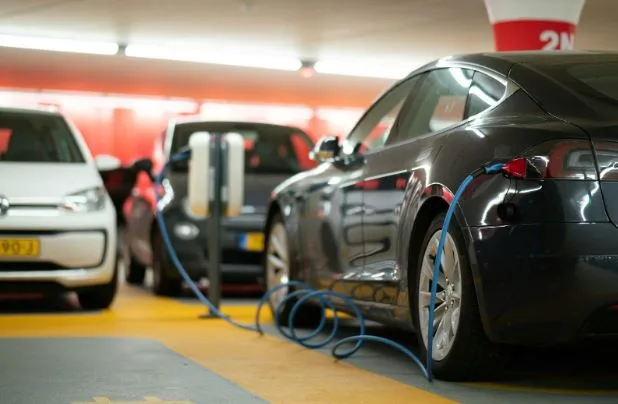
Invest in a stable, weather-proof charging point installed by a certified electrician. Make sure the wiring and breaker capacity can handle the load. For cars, opt for a wall-mounted AC charger – it’s safer and faster.
A small tip: always charge overnight when electricity demand (and tariff) is lower. Not only does it help the grid, but it’s easier on your wallet too.
4. DON’T Forget to Check Paperwork and RTO Registration
Just because it’s electric doesn’t mean you skip the basics. You still need proper insurance, RC, and valid registration with your state RTO.
Each region has a different system, and some states – like Uttar Pradesh – even publish digital lists for easy lookup. If you ever need details, the up rto code list is a handy reference for identifying your local RTO office for registration or road tax details.
Bonus tip: some low-speed, non-RTO scooters may not require a license or registration, but make sure yours genuinely qualifies. Riding without proper documentation can still get you fined under the Motor Vehicles Act.
5. DO Follow Smart Charging Habits
Treat your battery like your phone – just way more expensive.
Avoid draining it to zero or overcharging to 100% daily. The sweet spot is between 20% and 85%. Use slow charging whenever possible (it’s gentler on battery health) and save fast charging for emergencies or long trips.
And if you’re leaving town for a few days, park your EV at around 50–60% charge. Batteries, like humans, don’t enjoy sitting idle for too long.
6. DON’T Expect It to Behave Like a Petrol Vehicle
This one’s for the speed demons. Electric torque feels addictive – instantaneous, silent, and effortless. But remember, EVs deliver power differently. Braking and regen systems can take a bit of getting used to, especially for those upgrading from traditional scooters or bikes.
Learn the modes, experiment with regen settings, and take time to understand how your vehicle handles before pushing it hard. EVs reward smooth riders, not reckless ones.
7. DO Keep Up With Maintenance
EVs are famously low-maintenance, but that doesn’t mean no maintenance. Keep tyres inflated, check brake pads, and update your software regularly. Clean your charging port, and avoid power washing the motor area.
Also, check your battery warranty conditions – some brands require periodic service visits to keep it valid. Missing one could void your coverage faster than you can say “extended warranty.”
8. DON’T Fall for Myths
No, EVs don’t explode in the rain. No, they’re not “slower than petrol.” And no, you don’t need to wait hours for every single charge.
EV tech has come a long way, and with brands like Tata, TVS, and Ather investing heavily, reliability is no longer a concern. The only thing that is outdated is the mindset.
The Bottom Line
Owning an EV in India today is a bit like owning the future – quiet, clean, and cost-effective. But like any piece of tech, it rewards users who know how to use it well. Follow the dos, skip the don’ts, and you’ll not only save money but also enjoy a smoother, greener ride every single day.
And hey, between the fame 2 subsidy and your local up rto code list, half your work is already done – the rest is just plugging in, charging up, and hitting the road with a silent smile.