A Beginner’s Guide to Evaluating Classic Car Listings
Key Takeaways
- Define your purpose early, whether for collecting, restoring, or casual driving, to guide smarter buying decisions.
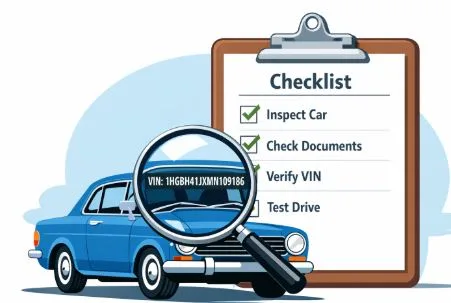
- Always verify authenticity through VIN matching, original tags, and historical records to avoid costly mistakes.
- Conduct a thorough inspection of the vehicle’s condition, paying close attention to rust, engine health, and interior wear.
- Review documentation such as maintenance logs and ownership history to confirm the car’s background and value.
- Research current market prices to ensure you are paying a fair, competitive price.
- Factor in restoration costs carefully, as projects can quickly exceed initial budgets.
- Evaluate seller credibility by checking reviews, transparency, and willingness to provide detailed information.
- Plan for long-term ownership, including storage, insurance, and ongoing maintenance needs.
Embarking on the search for a classic car is a rewarding adventure that promises excitement yet presents significant challenges. The sheer variety available, from rare collectibles to restoration projects, makes it essential for buyers to make informed choices. If you are ready to browse, you can discover a large variety of collector cars for sale online, but knowing what to look for is key to a smart investment.
Understanding how to evaluate classic car listings protects you from common pitfalls and ensures you find a vehicle that suits your ambitions and budget. This guide will help you develop the confidence to analyze listings, ask the right questions, and move closer to owning your dream classic.
Understand Your Objectives
Before beginning your search, clarify why you want a classic car. Decide if you are seeking an untouched showpiece, a hands-on restoration journey, or a car suitable for weekends and events. Your objectives will guide your decisions on budget, vehicle type, and the level of originality or modifications you can accept. Knowing your intent will also help you filter out irrelevant listings and focus on what best aligns with your goals.
Consider, for example, that restoration projects can offer savings on purchase price but typically demand significant time and money. On the other hand, well-preserved cars ready for showing or light use may cost more up front but spare you many logistical headaches.
Assess the Vehicle’s Authenticity
Authenticity is vital when assessing a classic car’s value. Start by verifying the Vehicle Identification Number (VIN) and making sure that it matches the engine and chassis numbers. Authentic numbers often indicate the car has not been pieced together from various sources. Discrepancies can reveal accidents, extensive repairs, or fraudulent representations. It’s wise to cross-check these numbers against manufacturer records when possible.
Verify additional indicators of originality, such as tags, body plates, and historical records. Many reputable dealers and clubs maintain archives that can help you.
Evaluate the Condition Thoroughly
Careful, hands-on examination is crucial. Start with the body: look for signs of corrosion, mismatched paint, body filler, or previous accident repairs. Rust can be particularly problematic, sometimes lurking under carpeting or beneath trim. Inspect the engine bay for leaks and listen for abnormal noises. Interior components, such as seat upholstery, gauges, and dashboards, can add or subtract significant value depending on their originality and wear.
Whenever possible, invest in a professional inspection. An expert will often spot issues that could escape the notice of less experienced eyes. Third-party inspections are heavily recommended by major publications, including Motor Trend, and can save you from expensive surprises after the fact.
Review Documentation and History
Reliable documentation provides confidence in a vehicle’s past care and current value. Request to see maintenance logs, restoration receipts, and the complete ownership trail. Well-organized records suggest both careful stewardship and easier resale in the future. Lack of documentation, on the other hand, is often a red flag.
Research Market Value
Understanding current market values will help ensure you do not overpay. Use recognized valuation guides, auction databases, and classifieds to compare similar models in equivalent condition. Note how factors like provenance, modifications, or rare features influence value.
Consider Restoration Costs
Restoration is rewarding, but expenses can escalate quickly. Before purchasing a project car, price out replacement parts, paintwork, upholstery, and labor. Consult online restoration forums or local clubs for candid estimates and stories from owners who have completed similar vehicles. Weigh these projected costs against your budget and expectations, recognizing that some models have much better parts availability than others.
Verify Seller Credibility
The seller’s reputation and transparency can determine whether your transaction is smooth or fraught with difficulty. Seek out reviews, previous sales, or club references. Reputable sellers will readily supply detailed information and accommodate independent inspections. Be wary of sellers who pressure you, dodge questions, or provide unclear answers.
Plan for Ownership Logistics
Beyond the purchase, consider where and how you will store your classic car. Many vehicles require climate-controlled storage to prevent damage. Research insurance options early, as classic car coverage differs from standard auto insurance and may require documentation or appraisals. Finally, consider how you will maintain the vehicle, whether through a trusted mechanic or by developing hands-on expertise yourself.
Final Thoughts
Pursuing ownership of a classic car is a richly rewarding experience when approached thoughtfully. By clearly defining your objectives, scrutinizing authenticity and condition, insisting on thorough documentation, researching value, preparing for restoration, and verifying seller integrity, you are laying strong foundations for satisfaction and security. Each step increases your knowledge and confidence, helping you navigate the world of classic cars with clarity and excitement.