A Complete Guide to Safe Ammo Reloading
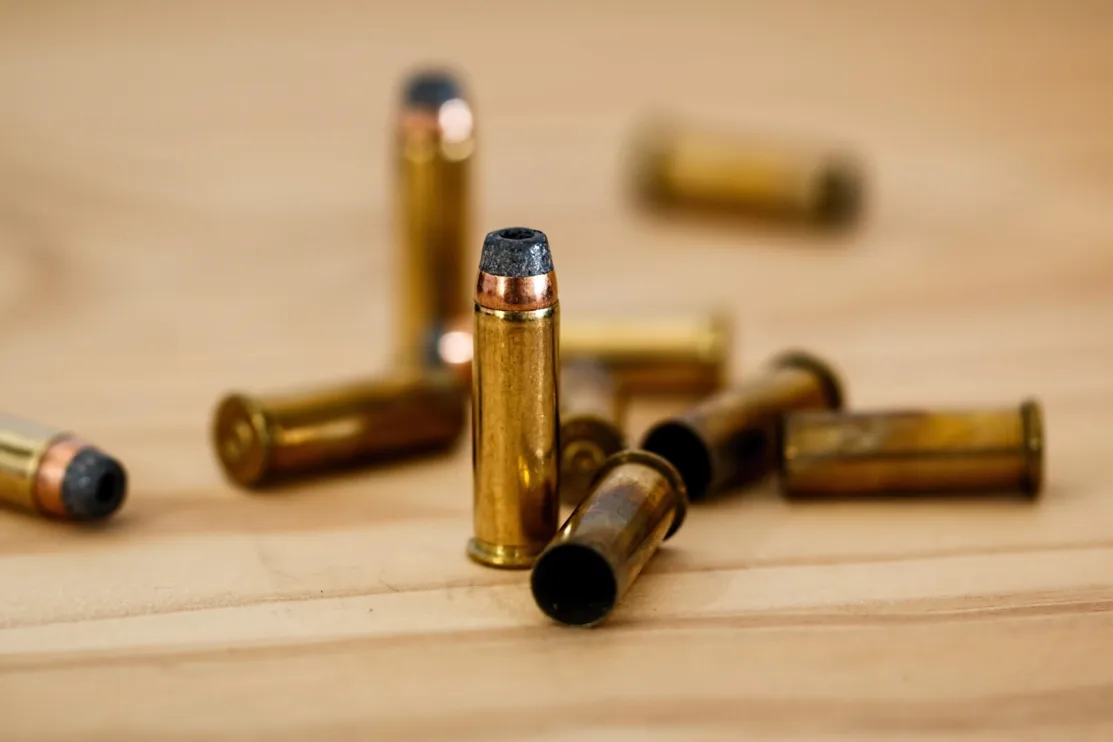
Handloading ammunition gives target shooters complete control over round accuracy and costs. Building custom rounds requires steady focus and strict bench safety rules.
A clear routine stops common loading errors and keeps handguns cycling smoothly. Staying focused on safety produces consistent groupings during every firing session.
Continue reading to discover everything you need to know!
Setting Up Your Reloading Workbench
Clean reloading components create a safer and more consistent shooting experience at the range. Sourcing top-quality .380 ACP brass gives handloaders reliable case walls for smooth sizing and priming. Inspecting each piece for hairline cracks or bent rims stops feeding failures before assembly begins.
Bright overhead lighting helps you spot low powder fills inside empty shells. Heavy presses need a solid wood or steel table that stays still under load.
Clear away useless clutter so your hands move freely across tools. Good room airflow keeps dust low during high-volume loading days.
Inspecting Equipment Before Handloading
Regular tool checks stop mechanical problems before you press a single shell. Calipers measure exact case length before running metal through sizing dies.
Daily cleaning removes metal shavings and grime from tool threads. Clean dies help cartridges chamber smoothly in tight handgun barrels.
Follow these primary safety steps on every reloading run:
- Always check cases for cracks.
- Measure case lengths with calipers.
- Check powder weight very carefully.
- Store primers in cool rooms.
- Wear safety glasses at work.
Swapping worn die parts keeps press movement smooth through every single pull. Keep extra depriming pins close to avoid long bench delays. Proper tool care yields easy lever strokes on every stroke.
Managing Powder Charges With Accuracy
Measuring powder requires total concentration and accurate reloading manual charts. Match bullet weights with precise charges printed in trusted reloading manuals. Incorrect charge values lead to high pressure spikes during firing.
Keep your powder hopper full to maintain even drop weights. Digital scales give fast numbers, and balance beam scales provide steady backup checks. Calibrate your scale tools before measuring active powder loads.
Take short rest breaks if you feel tired during powder steps. Consistent press pulls help throw steady powder charges every time.
Seating Bullets To Exact Specifications
Proper seating depth controls chamber pressure and smooth feeding from loaded handgun magazines. Set your seating die with care so bullets enter case mouths straight without tilting. Straight seating creates true bullet alignment down the barrel bore.
Correct neck grip stops bullet pushback when round rims hit feed ramps. Measure overall cartridge length with digital calipers across several completed rounds. Tiny size shifts happen naturally, but big changes show die adjustment issues.
Tighten the die lock ring firmly to fix your set length. Inspecting final crimps prevents feeding jams in fast-shooting semi-automatic handguns. Taking time during bullet seating pays off at the range with tight bullet groups.
Check case mouths for small burrs before pushing bullets into place. Smooth case rims prevent shaved lead and scratched jacket coatings during seating. Small adjustments to your seating plug adjust seating depth in tiny increments.
Staying Safe at the Bench
Developing step-by-step habits makes handloading a fun and rewarding sport. Checking each stage protects your guns and keeps your loading gear running well. Short breaks help maintain sharp focus through big reloading sessions.
Looking for more tips and ideas? We’ve got you covered. Check out some of our other posts now.