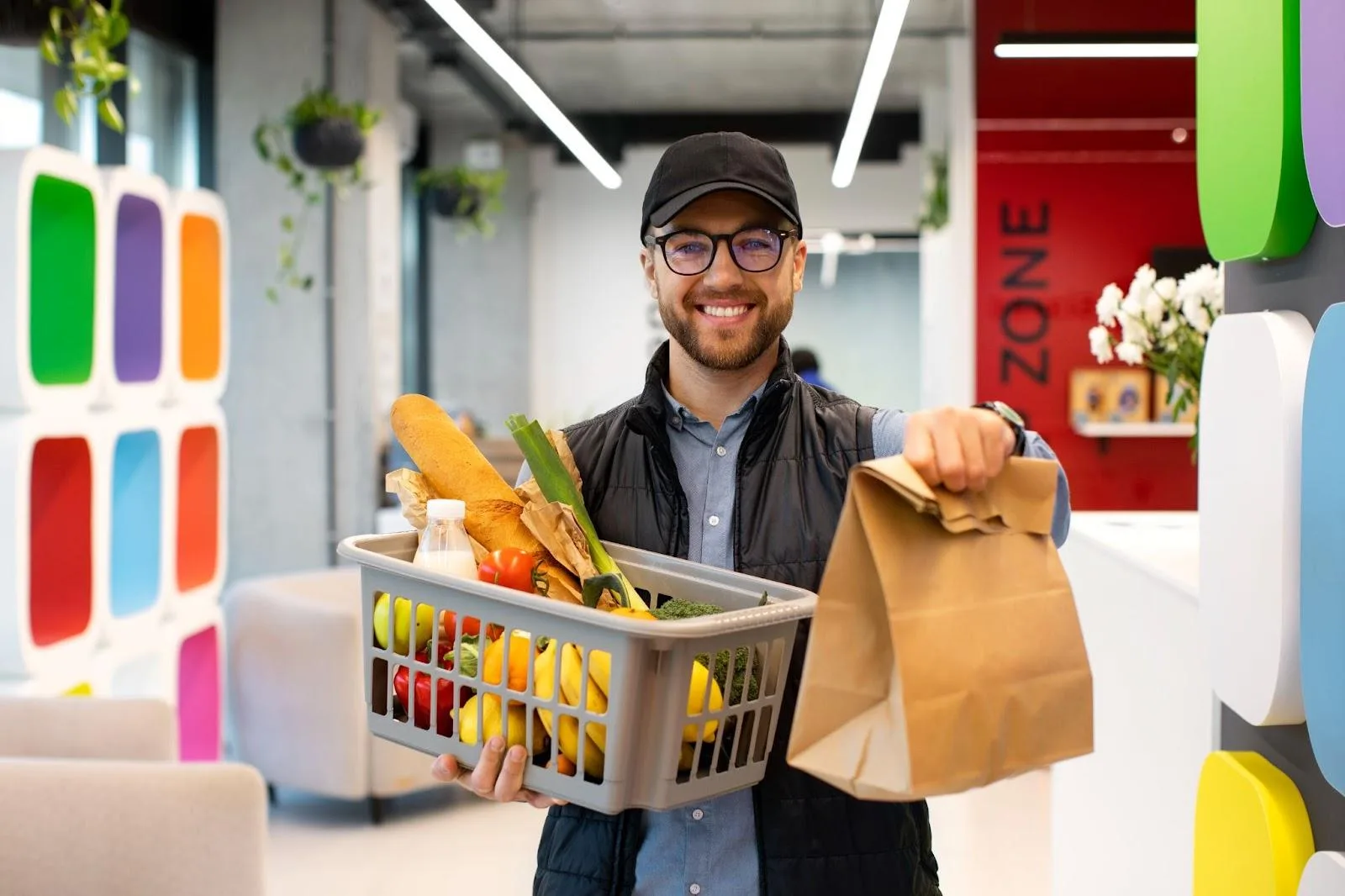
A Complete Guide to Starting an Online Grocery Business in 2026
The online grocery business has evolved rapidly over the last decade, and by 2026 it has become one of the most promising sectors in e-commerce. Changing consumer habits, busy lifestyles, rising smartphone usage, and improvements in logistics have made online grocery shopping a preferred choice for many households. If you are planning to start an online grocery business in 2026, this guide will walk you through everything you need to know—from planning and technology to operations and marketing.
1. Understanding the Online Grocery Market in 2026
Before starting, it is essential to understand the market landscape. In 2026, customers expect:
Fast or same-day delivery
Competitive pricing
Fresh and high-quality products
Easy-to-use mobile apps and websites
Flexible payment options
The market is highly competitive, with big players, quick-commerce startups, and local stores going online. However, there is still huge scope for niche models such as organic groceries, local produce, budget-focused stores, or hyperlocal delivery.
2. Choosing the Right Business Model
Selecting the right business model is the foundation of your success. Common online grocery models include:
Inventory-Based Model
You own and manage your own inventory in a warehouse or store. This gives you control over quality and pricing but requires higher investment.
Marketplace Model
You connect local grocery stores or suppliers with customers through your platform. You earn a commission on each order while avoiding inventory costs.
Hyperlocal Model
You partner with nearby stores and deliver groceries within a small radius, often within hours. This model works well in cities and towns.
Subscription Model
Customers subscribe for monthly grocery deliveries, staples, or milk and vegetables. This ensures predictable revenue.
Choose a model based on your budget, target market, and operational capability.
3. Market Research and Target Audience
Thorough market research helps reduce risks. Focus on:
Customer demographics (families, working professionals, students)
Preferred product categories (fresh produce, staples, organic, ready-to-cook)
Pricing sensitivity
Delivery expectations
Gaps in competitors’ services
For example, you might discover that customers in your area want reliable early-morning delivery or better-quality fruits and vegetables. These insights can become your unique selling proposition (USP).
4. Legal Requirements and Registrations
To run an online grocery business legally in 2026, ensure you complete the following:
Business registration (proprietorship, partnership, LLP, or private limited)
GST registration
FSSAI food license
Trade license from local authorities
Compliance with data protection and consumer laws
Proper documentation builds trust and avoids legal trouble later.
5. Technology and Platform Development
Technology is the backbone of an online grocery business. You will need:
Website and Mobile App
Your platform should be fast, user-friendly, and mobile-first. Key features include:
Easy product search and categories
Real-time inventory updates
Secure checkout
Order tracking
Customer support integration
Backend Management System
This includes inventory management, order processing, delivery assignment, and analytics.
In 2026, many businesses use ready-made SaaS platforms or customize existing e-commerce solutions to reduce costs and launch faster.
6. Product Sourcing and Inventory Management
Reliable sourcing ensures consistent quality and availability. You can source products from:
Wholesalers and distributors
Local farmers and producers
FMCG companies
Organic and specialty suppliers
Inventory management is critical, especially for perishable items. Use demand forecasting tools, track expiry dates, and avoid overstocking to minimize waste and losses.
7. Logistics and Delivery Setup
Delivery is one of the most challenging aspects of an online grocery business.
Delivery Options
In-house delivery team (more control, higher cost)
Third-party logistics partners
Hybrid model
Key Focus Areas
Delivery speed and accuracy
Proper handling of fresh and frozen items
Route optimization to reduce costs
Clear communication with customers
In 2026, customers expect real-time updates and reliable delivery slots.
8. Pricing Strategy and Payment Options
Pricing can make or break your business. Keep prices competitive while maintaining healthy margins. Common strategies include:
Competitive pricing on daily essentials
Discounts for first-time users
Bundle offers and subscriptions
Loyalty programs
Offer multiple payment options such as UPI, cards, wallets, buy-now-pay-later, and cash on delivery to cater to all customer segments.
9. Marketing and Customer Acquisition
Even the best platform needs effective marketing to attract customers.
Digital Marketing Channels
Search engine optimization (SEO)
Social media marketing
Google and social media ads
WhatsApp and email marketing
Local Marketing
Flyers and local promotions
Partnerships with housing societies
Referral programs
Focus on trust, freshness, and convenience in your messaging. Customer reviews and word-of-mouth play a huge role in this business.
10. Customer Experience and Retention
Acquiring customers is expensive; retaining them is profitable. Focus on:
Consistent product quality
On-time delivery
Easy returns and refunds
Responsive customer support
Personalized offers, subscription plans, and loyalty rewards help build long-term relationships.
11. Challenges and How to Overcome Them
Common challenges include:
Thin profit margins
High logistics costs
Inventory wastage
Intense competition
You can overcome these by optimizing operations, focusing on repeat customers, using data-driven decisions, and gradually expanding your product range and delivery areas.
- Scaling Your Online Grocery Business
Once your business is stable, you can scale by:
Expanding to new locations
Adding private-label products
Introducing faster delivery options
Partnering with restaurants or offices
Scaling should be gradual and data-backed to avoid operational chaos.
Conclusion
Starting an online grocery business in 2026 is a promising opportunity, but it requires careful planning, efficient execution, and a customer-first approach. By choosing the right business model, investing in technology, building strong supplier relationships, and focusing on service quality, you can create a sustainable and profitable online grocery brand. The key is to start small, learn fast, and continuously adapt to customer needs in this ever-evolving market.