A Complete Guide to Understanding Salvia divinorum: History, Botany, and Legal Awareness
Introduction
Salvia divinorum is a rare plant that has gained global attention for its unusual history and powerful reputation. Many people have heard its name online, but few understand what it really is, where it comes from, and why laws around it are strict in many places. This plant belongs to the mint family and grows naturally in small regions of southern Mexico. For centuries, it was known only to local communities who treated it with respect and caution. Today, people search phrases like salvia divinorum dried leaves for sale out of curiosity, but it is important to focus on education, legality, and safety instead of transactions. Learning the background of this plant helps readers make informed decisions and avoid legal trouble. This guide explains the history, botany, cultural context, and legal awareness around this plant in simple language so readers can understand facts without promoting risky behavior or illegal activity.
The Botanical Background of This Unique Plant
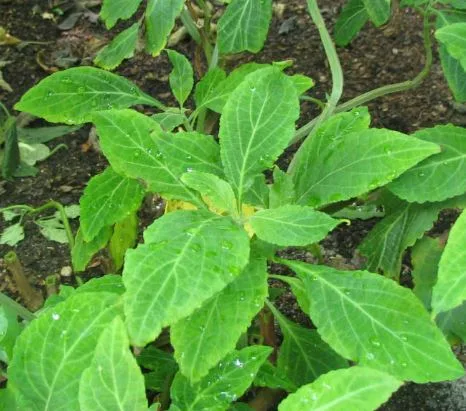
Salvia divinorum is part of the large mint family, which includes common herbs like basil and rosemary. However, this plant is very different from kitchen herbs. It has large green leaves, hollow stems, and prefers humid, shaded environments. It grows best in cloud forests where moisture is high and sunlight is soft. Botanists study it for its unusual chemical profile, which is not common in other plants of the same family. Because of this uniqueness, it has attracted researchers, plant lovers, and curious readers worldwide. Some online searches combine it with phrases like salvia divinorum seeds for sale or diviners sage seeds for sale, but growing or distributing this plant may be restricted depending on local laws. From a scientific view, it is an interesting species that shows how diverse the plant world can be. Understanding its botany helps readers appreciate it as a rare plant rather than seeing it as a commercial item.
Historical and Cultural Roots in Mexico
This plant has deep roots in the traditions of the Mazatec people of Oaxaca, Mexico. For generations, it was used in spiritual and healing rituals led by trained elders. These practices were not casual or recreational; they followed strict cultural rules and deep respect for nature. The plant was considered sacred, and its use was limited to guided ceremonies. Over time, stories about these traditions spread outside the region, leading to global curiosity. Many modern readers encounter terms like salvia divinorum dried leaves for sale without understanding the cultural background behind it. Learning this history reminds us that the plant was never meant for casual use. It belonged to a specific tradition and environment. Respecting these origins means focusing on education and cultural appreciation rather than commercial interest. This perspective helps prevent misuse and encourages responsible learning about indigenous knowledge.
Why Laws and Regulations Differ Around the World
One of the most confusing aspects for readers is the legal status of this plant. In some countries, it is completely banned. In others, it falls into a gray area or is regulated under specific laws. Governments often make decisions based on public safety, misuse risks, and lack of medical research. Because of this, people searching phrases like salvia divinorum seeds for sale may unknowingly enter risky legal territory. The same caution applies when readers see unrelated search terms like san pedro powder for sale, buy San pedro powder, buy acacia confusa, or acacia confusa root bark for sale, which also relate to plants with strict regulations in many regions. Understanding that laws vary widely helps readers avoid legal problems. The safest approach is to treat such topics as educational subjects and always check local regulations before engaging with anything related to restricted plants.
Common Misunderstandings Found Online
The internet is full of mixed information. Some websites present this plant as harmless, while others describe it in alarming ways. Both extremes can be misleading. Without proper context, readers may misunderstand what the plant is and why it is treated carefully by authorities. Search phrases like diviners sage seeds for sale often appear next to exaggerated claims that lack scientific support. This creates confusion and can lead people to make poor decisions. Reliable information should come from botanical research, cultural history, and legal guidelines, not from sales pages or rumors. By focusing on facts instead of hype, readers can build a balanced understanding. Education reduces curiosity driven by mystery and replaces it with knowledge grounded in reality. This approach supports safer awareness and discourages risky exploration based on misleading online content.
The Importance of Respecting Indigenous Knowledge
Plants like this are part of indigenous heritage and traditional wisdom. When global audiences learn about them, it is important to approach the topic with respect. The Mazatec people did not share their traditions for commercialization. Their knowledge was passed through generations with care and responsibility. Turning sacred plants into online commodities removes the cultural meaning behind them. When readers see phrases like salvia divinorum dried leaves for sale, it helps to pause and remember the cultural roots tied to the plant. Respecting indigenous knowledge means learning about history, traditions, and values without exploiting them. This respectful mindset supports cultural preservation and prevents misuse of traditional practices for modern curiosity or profit.
Safety Awareness and Responsible Learning
Learning about rare plants should always be done with safety in mind. Many plants that appear in online searches can have strong effects or legal restrictions. Instead of focusing on acquisition, readers should focus on education, scientific research, and cultural understanding. Awareness of risks and laws helps prevent harm. This is true not only for this plant but also for others that appear in searches like san pedro powder for sale or acacia confusa root bark for sale. Responsible learning means understanding why these plants are treated carefully by authorities and why casual handling can lead to serious issues. Knowledge empowers readers to stay safe and informed without crossing legal or ethical boundaries.
Conclusion
Understanding Salvia divinorum requires more than reading online rumors or commercial pages. It involves learning about botany, history, culture, and legal awareness in a responsible way. While many people search for terms like salvia divinorum seeds for sale or salvia divinorum dried leaves for sale, the real value lies in education rather than transactions. Respect for indigenous traditions, awareness of laws, and focus on factual information create a safer and more meaningful understanding of this rare plant. By treating the topic as an educational subject, readers can satisfy their curiosity without engaging in risky or illegal activity.