
A Day on Patrol: How a Fire Watch Team Checks Stairwells, Exits and Mechanical Rooms
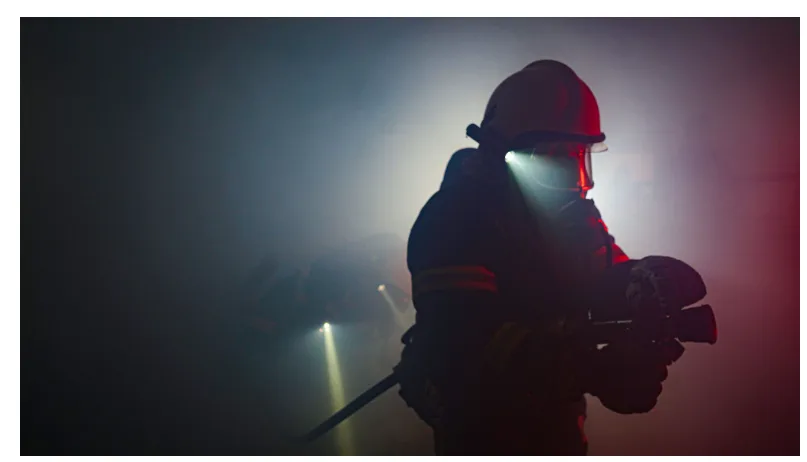
On a typical shift, fire watch guards walk a set route on a regular schedule, checking stairwells, exits, corridors and mechanical rooms for smoke, heat, blocked paths and other hazards, and they record every round in a written log. The goal is to catch small problems early while the building’s own fire protection is out of service.
This article follows a patrol from start to finish, so building owners and managers know what good coverage looks like.
What Happens Before the First Round?
Before the first round, the guard gets briefed on the building, the impaired system and the rules of the site. A patrol is only as good as the information behind it.
The briefing usually covers the floor plan, exit locations, the areas affected by the outage, emergency contacts and how to sound the alarm. The guard also needs to know how to reach the property contact and when to call emergency services.
Many sites share a route map or checklist. If none exists, the guard and the building team can build one together. Either way, the guard should know exactly which areas to cover and how often.
How Are Stairwells Checked?
Stairwells are checked for anything that could block movement, start a fire or let smoke spread. They are the main escape route in many buildings, so they get close attention on every round.
- Look for stored boxes, furniture, carts or trash that block the path.
- Check that stairwell doors close properly and are not propped open.
- Note any smell of smoke or burning, and any unusual heat.
- Check that lighting is working and signs are visible.
- Watch for signs of smoking, such as ash or cigarette butts.
Doors matter more than many people realize. A stairwell door held open can let smoke travel between floors, so closing it or reporting the problem is part of the job.
How Are Exits and Corridors Checked?
Exits and corridors are checked to confirm that people could leave quickly in an emergency. Each round, the guard walks the exit routes and looks for anything that could slow someone down.
Typical checks include the following.
- Exit doors open freely and are not locked, chained or blocked.
- Exit signs are lit and visible.
- Corridors are clear of clutter and equipment.
- Portable fire extinguishers are in place and not blocked.
- Fire doors are closed where they should be.
Problems found are reported to the property contact so they can be fixed quickly. If a hazard is serious and cannot be corrected, the guard follows the site’s emergency procedures.
How Are Mechanical Rooms Checked?
Mechanical rooms are checked from a safe distance, where access is permitted, for signs of heat, smoke, odors or stored combustibles. These rooms often hold equipment that can overheat or fail, so they deserve regular attention.
A guard is not a technician and does not repair equipment. Their job is to notice and report. They may look for unusual smells, humming or burning sounds, leaking fluids, piles of stored materials or anything that looks out of place.
Some rooms are locked or restricted, and access rules differ by building. The property contact should explain which areas the guard may enter, and which are to be observed from the door.
What Other Areas Get Attention?
Besides stairwells, exits and mechanical rooms, patrols usually include areas where fires are more likely to start. The building and the type of outage decide the full list.
- Kitchens and break rooms with cooking or heating equipment.
- Storage rooms and loading areas with stacked materials.
- Electrical closets and panel areas, observed where allowed.
- Parking areas and trash enclosures near the building.
- Any area near the impaired system or active hot work.
If the outage involves hot work such as welding, the guard may stay near the work area and keep watching for a set period afterward, as the local rules require.
What Gets Written Down?
Every round is recorded. The log is the proof that the building was watched, so accuracy matters as much as the patrol itself.
A good entry shows the date, the time each round started and ended, the areas checked, the guard’s name and anything unusual that was found. It also records what was done about it and who was told.
Some companies use paper logs and others use digital or GPS tools. Either can work if the record is complete, easy to read and shared with the property team. Fire marshals and insurers may ask to see these records, so keep copies.
What Should Guards Do If They Find a Problem?
If a guard finds a possible fire, the priority is to protect people and call for help. The guard sounds the alarm, calls emergency services and guides occupants toward the exits.
For smaller issues, such as a blocked exit or an open fire door, the guard notifies the property contact and records the problem. The aim is to fix it before it becomes dangerous.
A guard is not expected to fight a large fire. Their role is to observe, report and communicate. Local rules and company procedures describe what is expected in each situation.
What Should Owners Look For in a Patrol?
Owners can judge a patrol by its consistency, communication and records. These signs show that the watch is being taken seriously.
- Rounds happen on schedule, day and night.
- The guard knows the building and the route.
- Problems are reported promptly and clearly.
- Logs are complete and available on request.
- The guard is alert and has no competing duties.
- There is a named contact who can answer questions at any hour.
Many owners rely on professional fire watch guards for this reason, because a dedicated team can cover every shift without pulling building staff away from their own work.
As an example, Fast Fire Watch Guards says on its website that it offers 24/7 live dispatch, GPS-tracked patrols and a dedicated site contact. Whichever provider you consider, confirm how patrols and records work in your contract.
Frequently Asked Questions
How often should a fire watch patrol a building?
It depends on the building, the type of outage and what your fire marshal requires. Many sites use rounds at set intervals, such as hourly. Ask your local authority what schedule applies, and have the provider put the patrol frequency in writing.
Do guards check every floor on every round?
Usually the route covers all areas affected by the impairment, and often the whole building. The exact route depends on the property and the fire marshal’s instructions. A written route map or checklist helps keep every round consistent.
What do guards do in mechanical and electrical rooms?
They look for signs of heat, smoke, odors, leaks and stored combustibles, where access is allowed. They do not repair equipment. If something looks wrong, they report it to the property contact right away and record it in the log.
What is in a fire watch log?
The date, round times, areas checked, the guard’s name, any hazards found and actions taken. Good logs are clear and complete. Keep copies, since the fire marshal or insurer may ask to see them after an outage.
Can building staff patrol instead?
Sometimes, if your local authority allows it and the person is trained and has no other duties. Many owners prefer outside help because staff are busy with daily tasks. Always confirm with your fire marshal before assigning anyone.
Final Thoughts
A good patrol is steady, observant and well documented. Checking stairwells, exits and mechanical rooms on a regular schedule helps catch problems early while the building’s systems are down.
Before an outage happens, build a route map, confirm local requirements with your fire marshal and decide who will provide the watch.