A Practical Guide to Commercial Water Storage Tanks
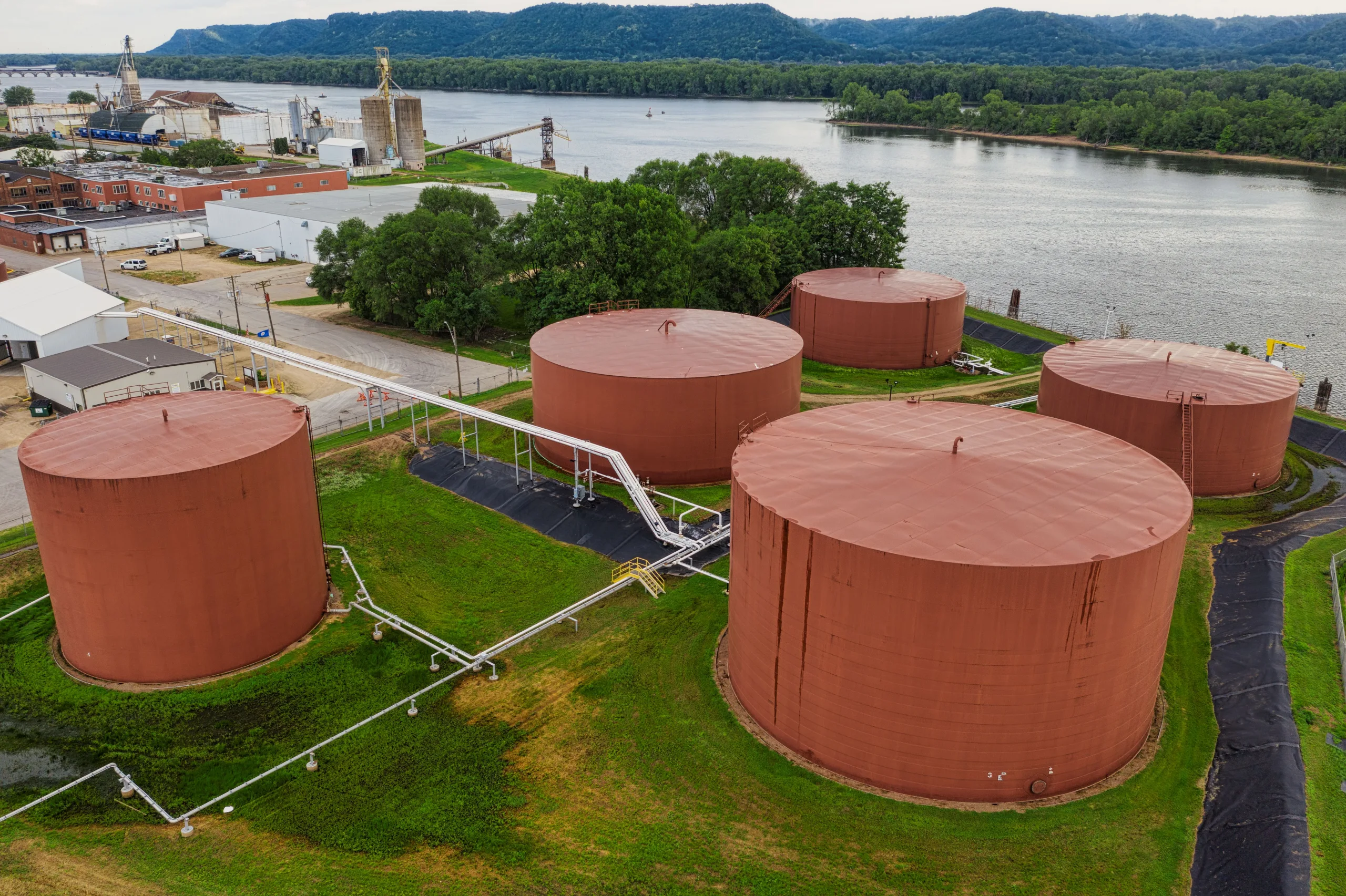
Commercial enterprises, manufacturing facilities, and agricultural operations depend heavily on secure, continuous water supplies. Water scarcity, pressure fluctuations in municipal mains, and escalating utility costs have driven widespread adoption of dedicated on-site containment. Implementing bulk storage buffers operations against supply interruptions, supports predictable daily production, and establishes greater environmental stewardship.
From rainwater harvesting networks to emergency process reserves, modern facilities demand dependable containment infrastructure tailored to exact operational demands. Selecting and installing high quality commercial water storage tanks allows businesses to maintain uninterrupted workflows while safeguarding critical equipment against unexpected pressure drops or mains failures. These integrated vessels serve across diverse fluid applications, managing everything from untreated raw runoff to certified potable water supplies.
Understanding how commercial tanks function, where they deliver the highest value, and what technical factors govern their selection is essential for facility managers, engineers, and site operators.
How Commercial Water Storage Systems Operate
Commercial water storage tanks operate as hydraulic reservoirs that balance supply input with operational output. Water enters the vessel through an inlet pipe governed by mechanical float valves, solenoid valves, or electronic level sensors. These controls regulate inflow automatically, preventing overfilling while keeping fluid reserves at optimal operating capacity.
Internally, tanks are engineered to maintain liquid quality and structural integrity under heavy hydrostatic pressure. Inlets are typically configured to reduce turbulence, allowing any heavy particulates to settle uniformly toward the bottom. Screened air vents maintain atmospheric pressure balance during rapid filling and draw-off cycles, preventing dangerous vacuum conditions or over-pressurisation. When demand occurs downstream, booster pump sets draw water from low-level outlet connections, distributing pressurized water throughout the facility. Secondary connections, including dedicated drain ports, inspection hatches, and overflow pipes, provide safety mechanisms and facilitate scheduled maintenance.
Common Applications Across Key Sectors
Storage requirements vary dramatically depending on the industry and the nature of the stored liquid.
Industrial Manufacturing and Processing
Factories utilize bulk storage for equipment cooling loops, wash-down procedures, steam generation, and chemical dilution. Having dedicated on-site reserves ensures machinery runs without thermal throttling or shutdown during municipal supply disruptions.
Commercial Rainwater Harvesting
Commercial roofs offer vast catchment surface areas ideal for collecting precipitation. Diverting this run-off into large containment vessels allows businesses to supply non-potable water for vehicle washing, landscape irrigation, and toilet flushing, reducing metered utility overheads.
Agriculture and Horticulture
Farms, commercial nurseries, and livestock operations require substantial daily water volumes. Storage vessels support continuous drip irrigation, crop spraying, animal hydration, and misting systems. They also allow operators to store water abstracted from boreholes or rivers during off-peak licensing periods.
Fire Suppression Reserves
Many commercial properties must maintain dedicated static water reserves to comply with building insurance standards and life safety codes. These tanks remain connected directly to automated sprinkler systems, guaranteeing adequate pressure and volume even if mains supplies fail during an emergency.
Key Considerations for Choosing Capacity, Materials, and Configuration
Specifying the correct storage setup requires careful evaluation of technical requirements, space limits, and fluid characteristics.
Material Selection
Tank longevity depends largely on material suitability. Rotationally moulded medium-density polyethylene is widely favoured across commercial sectors due to its seamless, single-piece construction. High-grade polyethylene offers exceptional impact resistance, will not rust or corrode, and withstands harsh weathering. For outdoor installations, UV-stabilised compounds are vital to stop solar degradation and prevent light ingress that causes internal algae growth. If storing water for human consumption, materials must meet stringent regulatory standards for potability, such as WRAS approval.
Calculating Storage Capacity
Determining tank capacity requires an accurate assessment of peak daily water consumption, average replenishment rates, and necessary safety buffer margins. Sizing formulas should factor in operational draw-down rates alongside seasonal variations. While undersized vessels lead to supply shortfalls, oversized units occupy valuable yard space and risk water stagnation. Many facilities deploy multiple interconnected tanks, creating a scalable footprint that allows individual units to be isolated for cleaning without taking the entire system offline.
Configuration and Installation
Physical site constraints dictate whether an above-ground or underground tank is ideal. Above-ground vertical tanks are cost-effective, straightforward to inspect, and simple to plumb into pump networks. However, they require a reinforced, perfectly level concrete plinth capable of supporting tons of static load. Underground tanks preserve surface area for vehicle parking or loading docks, though they necessitate excavation, backfilling, and structural reinforcement to endure ground movement and soil surcharge loads.
Investing in properly engineered containment provides operational resilience, regulatory compliance, and predictable fluid management for years to come.