A Smarter Way to Support the Homeless This Winter
As the nights draw in and the first frost begins to settle across the British landscape, most of us retreat to the sanctuary of centrally heated homes, heavy duvets, and thick woollen coats. But for hundreds of thousands of people across the United Kingdom, winter is not a season of festive warmth; it is a period of profound physical peril and psychological endurance.
In 2025, the homelessness crisis in the UK has reached a critical tipping point. While the image of a lone individual in a sleeping bag is the most visible face of the crisis, the reality is far more pervasive, affecting vulnerable families and children in record numbers. Facing this challenge requires more than just sympathy—it requires a coordinated, efficient way to turn our surplus resources into life-saving support. This is where the organisation We Recycle Clothes plays a pivotal role, bridging the gap between your unwanted items and the vital funds frontline charities need.
The Hard Reality of Homelessness in Numbers
To understand the urgency of winter donations, one must look at the sobering statistics defining the UK’s current landscape. According to government data from mid-2025, there are now over 132,410 households living in temporary accommodation—the highest number since records began.
Perhaps most heartbreaking is the impact on the next generation. Approximately 172,420 children are currently without a permanent home, often living in cramped, unsuitable hostels or B&Bs. In London alone, it is estimated that 1 in 21 children is homeless, meaning there is at least one child in nearly every classroom who does not know where they will be sleeping in six months’ time.
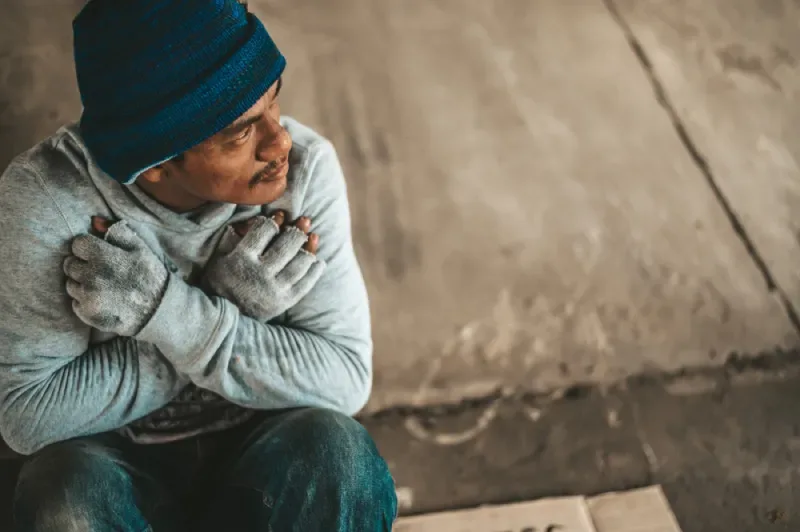
For those on the absolute margins, rough sleeping remains a deadly threat. Recent figures indicate that over 8,700 people sleep on the streets each month. When temperatures drop below freezing, these individuals are at the mercy of the elements. For many, a lack of adequate clothing is the difference between survival and tragedy.
The Physiological Impact
The human body is not designed to withstand prolonged exposure to the British winter. Without proper insulation, the risks are immediate and severe:
- Hypothermia: As body temperature drops, the heart and nervous system begin to fail.
- Trench Foot: Constant dampness from wet shoes and socks leads to tissue decay, a condition sadly common among people experiencing homelessness.
- Respiratory Illness: Pneumonia and severe bronchitis flourish in the damp, cold air of the streets and poorly insulated temporary shelters.
A Smarter Way to Give
While many people feel the urge to hand a coat directly to someone on the street, this localised act, while kind, often fails to address the systemic needs of the vulnerable. Registered charities and professional organisations need flexible funding to provide hot meals, emergency shelter, medical care, and long-term housing advice.
We Recycle Clothes (https://werecycleclothes.org.uk/) offers a streamlined, professional solution that benefits both donors and charities. By acting as a specialist collection and recycling partner, they turn your “wardrobe waste” into “charity wealth.”
How the Process Works
The beauty of the We Recycle Clothes model lies in its simplicity and its commitment to the circular economy. Here is the step-by-step journey of your donation:
- The Booking: Residents and businesses across the UK can visit the website and book a free collection. You will provide the address where they should collect the donations, how many bags you are donating, and, if you have one, your preferred charity, making it easier than ever to clear out space in your home.
- The Collection: A professional team arrives at your doorstep or business address to collect your bags. You don’t even need to leave the house.
- The Sorting: Every item—from designer handbags and winter coats to pairs of shoes and accessories—is carefully sorted.
- Resale and Recycling: High-quality items are resold through secondary markets, giving them a second life and preventing them from entering landfills. Items that are no longer wearable are recycled ethically, minimising environmental impact.
- The Donation: The most critical stage. A significant portion of the proceeds generated from the sale and recycling of these items is converted into cash. These funds are then distributed directly to the charity of your choice.
Why Cash is King for Charities
You might wonder why it’s better to convert clothes into cash rather than just giving the clothes themselves. For a charity supporting homeless families, cash is a versatile tool. It can pay for a week of emergency heating for a family in a hostel, purchase specific medical supplies for a rough sleeper, or fund the legal expertise needed to help a family move from temporary accommodation into a permanent home.
Protecting Vulnerable Families and Children
Homelessness for a family is a quiet, often invisible struggle. These are the “hidden homeless” who may be shuffling between “sofa surfing” and emergency B&Bs. For a child, the lack of a stable home is a trauma that affects their education, health, and sense of safety.
When you donate through We Recycle Clothes, you aren’t just helping individuals on the street; you are supporting partner charities that provide:
- Back-to-school essentials for children in temporary housing.
- Safe spaces for mothers and children fleeing domestic violence (a leading cause of family homelessness).
- Warmth and Dignity: Ensuring that even if a family’s housing is uncertain, they have the financial support to stay warm and fed.
What Can You Donate?
We Recycle Clothes accepts a wide range of items, provided they are in a “donatable” condition—meaning they are clean and functional. During the winter months, the demand for certain items is particularly high, but the organisation collects a variety of goods year-round to ensure steady funding for their partners.
Items Accepted Include:
- Clothing: Men’s, women’s, and children’s attire.
- Footwear: Paired shoes of all types.
- Accessories: Handbags, belts, hats, and scarves.
- Household Items: Bedding, linen, and soft toys.
Pro Tip: Before bagging your items, check the pockets! It’s also helpful to ensure shoes are tied in pairs so they don’t get separated during sorting.
A Double Win
By choosing to recycle your clothes rather than discard them, you are also making a significant environmental contribution. In the UK, approximately 300,000 tonnes of used clothing are sent to landfills each year. These textiles emit methane during decomposition, contributing to climate change.
By using the We Recycle Clothes service, you are participating in a sustainable loop. You help the planet by reducing waste and support your community by providing vital funds to those who have lost everything.
Donate today!
The scale of the homelessness crisis in the UK can feel overwhelming, but the solution starts with individual action. Your unwanted winter coat or that pair of shoes you no longer wear could be the catalyst for a donation that keeps a family warm or helps a rough sleeper find a bed for the night.
Don’t let your surplus items gather dust when they could be gathering funds for those in need. Visit werecycleclothes.org.uk today to book your free collection. It costs you nothing but a few minutes of your time, yet for a vulnerable child or a person facing the freezing British winter, the impact is immeasurable.