A Visitor’s Guide to Kiawah Island: Beaches, Trails, and Tidal Creeks
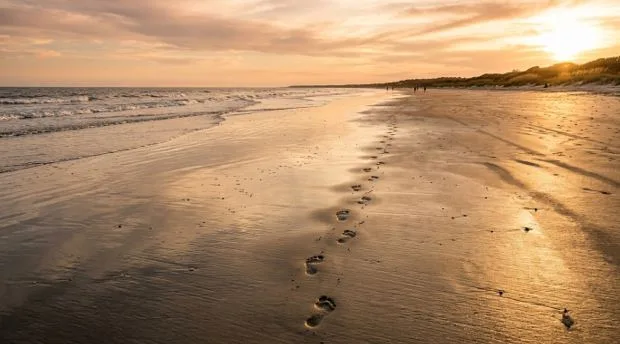
Kiawah Island sits south of Charleston, South Carolina, along a stretch of Atlantic coastline known more for maritime forests and tidal creeks than for the classic beach-town rhythm. Ten miles of nearly uninterrupted beach, an extensive network of cycling paths, and the Kiawah River estuary give the island a different character than most East Coast beach destinations.
This guide covers the essentials of a first visit: the beach itself, the trail network that connects the island, and the tidal creeks that define the island’s quieter side.
The Beach
Kiawah’s main beach runs for about ten miles from Beachwalker Park on the west end to the Kiawah River on the east. The beach is unusually wide at low tide and firm enough to walk or bike for long distances. A single low-tide walk from one end toward the other can easily cover five miles without much effort.
Beachwalker Park, on the public west end, is the only section of the beach open to non-residents and day visitors. The rest of the island is gated, and access to the beach there requires either a rental or guest status at one of the resort properties.
Morning and late afternoon are the quieter times, and the light at either end of the day is what photographers tend to come for. The tidal shifts also expose different layers of the beach each day, which keeps even a long stay from feeling repetitive.
Trails and Bike Paths
Kiawah has more than thirty miles of dedicated bike paths that run through the maritime forest, along the marshes, and past the resort areas. A bike is the most efficient way to see the island, and most rentals come with one or more available for the length of the stay.
The Marsh Island Park loop is the reliable short ride for families and first-time visitors, with flat paths and frequent stopping points. The longer paths along Governors Drive and through the maritime forest take about two hours at a slow pace and cover most of the core of the island.
For travelers planning Kiawah Island beach home rentals, a property within five minutes of the main path loop puts most of the island’s trail network within easy reach.
The Kiawah River and Tidal Creeks
The back side of Kiawah faces the Kiawah River and a wide tidal marsh that runs inland to the mainland. The landscape changes noticeably twice a day as the tide shifts, and the marsh becomes a working ecosystem for herons, egrets, and the occasional dolphin.
Kayak rentals run out of the resort outfitters and several private operators on the mainland side of the bridge. A two-hour paddle at slack tide is usually enough to see several birds and to understand the scale of the marsh.
Guided boat tours on the river run most of the year and are the easier introduction for first-time visitors. The dolphin strand-feeding behavior, where groups of dolphins beach themselves temporarily to catch fish, is one of the signature wildlife experiences of the region.
Wildlife Worth Knowing
Alligators live in the freshwater lagoons across the island and are a regular sight along the bike paths. Basic awareness solves most of the potential issues, and most visitors see alligators without any direct interaction. The posted signs along the lagoons are clear and worth reading.
Loggerhead sea turtles nest on the beach from May through September, and the volunteer turtle program monitors most of the nests. Beach-walking at night is restricted during nesting season to avoid disrupting the hatchlings, and the program leads guided walks on select evenings that are worth planning around.
Bobcats are present on the island but rarely seen. Deer are common, especially at dawn and dusk along the quieter paths, and the island’s bird list runs to more than three hundred species across the year.
The Two Sides of Kiawah
Kiawah has two distinct halves. The west end, closer to Beachwalker Park, is more developed and has the higher density of shared paths, public beach, and restaurants. The east end, beyond the resort’s main area, is quieter and more residential, with fewer paths and a longer walk to services.
A base on the west end works well for travelers who want an easier first visit and more access to food and rentals. A base on the east end suits travelers who prefer long beach walks and a quieter evening pace.
Seasonal Notes
Spring and fall are the most comfortable seasons. April, May, October, and early November offer warm days, mild evenings, and fewer insects than the summer months. The beach is walkable and the water is swimmable into late October in a typical year.
Summer is the peak season, with highs in the upper eighties and warm water through September. Humidity is reliable in July and August, and afternoon storms are common. Winter is the quietest season on the island, with cool days, empty beaches, and golf courses that stay in use most of the year.
Planning Notes
The island is gated, and access requires either a rental, a resort stay, or a day pass to Beachwalker Park. Day visitors are welcome but the private beach areas are not accessible from the public park.
Charleston is about forty minutes away by car, which makes it an easy day trip for travelers who want an urban dinner or a historic-district walk. The drive back to the island in the evening takes longer than expected on summer weekends.
Kiawah rewards a slower trip and a willingness to let the tides set the daily schedule. Most visitors who come once plan a return within two years, and the island tends to become a regular trip for families more than a one-time destination.