Adventures In Whale Watching: Exclusive Guide for See Humpback Whales Kauai Tour
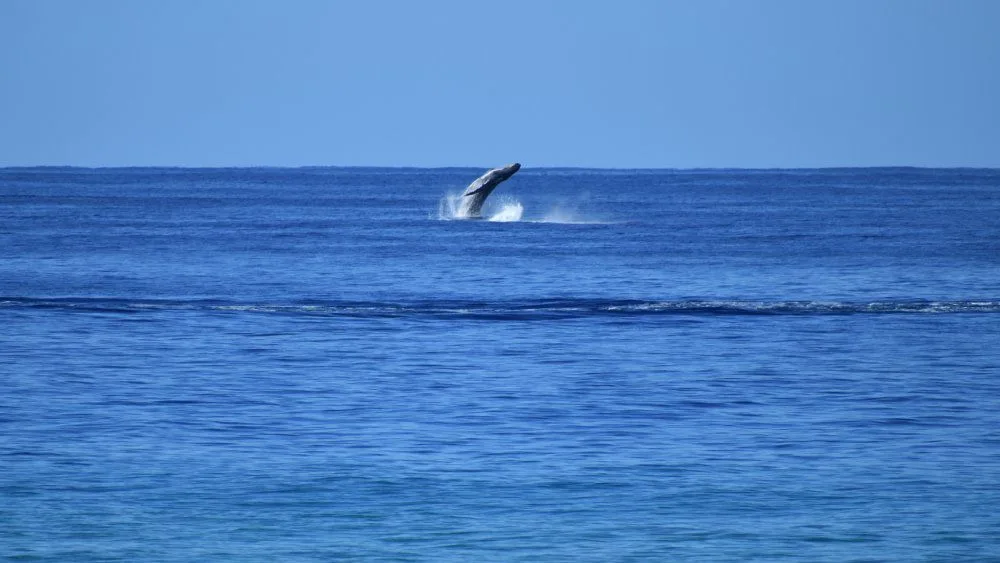
Embarking on a whale watching adventure in Kauai offers an unparalleled opportunity to witness the majestic humpback whales in their natural habitat. As an emerging trend in adventure travel, whale watching not only satisfies the curiosity of travelers but also underscores the importance of sustainable tourism practices. This guide serves as a comprehensive resource for those planning to book the See Humpback Whales Kauai Tour, providing insights into the best times to visit, essential tips for an unforgettable experience, and the importance of ecotourism certification in preserving marine ecosystems.
Adventures in Whale Watching: A Journey to the Heart of Kauai
Kauai, known for its breathtaking landscapes and rich cultural heritage tourism, provides an idyllic backdrop for whale watching adventures. Tour operators in this niche market segmentation often collaborate with local DMOs (Destination Marketing Organizations) to ensure a seamless integration of sustainable tourism practices into their offerings. This collaboration not only enhances the travel experience but also supports the conservation efforts critical to maintaining Kauai’s natural beauty.
Adventure travel specialists are essential in curating whale watching tours that prioritize safety and environmental stewardship. These professionals employ travel risk management strategies tailored to the unique challenges of marine ecotourism, ensuring that each tour is both exhilarating and mindful of its ecological impact.
By leveraging GDS (Global Distribution Systems) and other travel itinerary management tools, tour operators can offer customized experiences that cater to various preferences and schedules, making whale watching in Kauai accessible to a broader audience.
Experience Humpback Whales in Their Natural Habitat
The humpback whales’ annual migration to Hawaii is a spectacle that attracts travelers from around the world. These magnificent creatures can often be seen breaching and tail-slapping, creating an awe-inspiring display of nature’s power. Tour operators with ecotourism certification are crucial in protecting these marine giants by adhering to strict sourcing agreements that safeguard their environment.
According to recent analysis from NOAA, the humpback whale population in Hawaiian waters has shown promising growth due to these conservation efforts. This highlights the importance of choosing tours that are committed to sustainable practices and have proper tour operator licensing.
For those seeking a truly immersive experience, a FAM trip (familiarization trip) offered by niche tour operators can provide an insider’s perspective on whale behavior and habitat, enriching the overall travel experience.
Choosing the Best Time for Whale Watching in Kauai
The optimal time for whale watching in Kauai is during the peak migration season, from December to March. During this period, the whales are most active, providing tourists with a higher chance of witnessing their stunning performances. Yield management techniques employed by tour operators ensure that tours are scheduled during times when whale sightings are most likely, maximizing the value for travelers.
Weather conditions play a significant role in the success of a whale watching tour. It is advisable to consult travel agency CRM systems for updates on sea conditions and tour availability, ensuring a smooth and enjoyable experience.
Additionally, savvy travelers can take advantage of OTA (Online Travel Agency) platforms to book tours at competitive rates, offering flexibility and convenience in planning their whale watching adventure.
Essential Tips for an Unforgettable Whale Watching Tour
To enhance your whale watching experience, consider these essential tips: Dress in layers to accommodate changing weather conditions, bring binoculars for a closer view, and have a camera ready to capture memorable moments. Engaging with tour operators who emphasize sustainable tourism practices ensures that your adventure contributes positively to the environment.
Moreover, understanding the role of cultural heritage tourism in Kauai can enrich your experience, offering a deeper appreciation for the island’s traditions and natural wonders. A recent report by National Geographic underscores the significance of integrating cultural narratives into tourism activities, highlighting their impact on conservation efforts.
Finally, travelers should prioritize tours that offer comprehensive travel risk management plans, providing peace of mind and ensuring that all safety measures are in place for an enjoyable journey.
Conclusion
Embarking on a whale watching tour in Kauai is more than just an adventure; it is a journey that connects travelers to the heart of marine life and cultural heritage. By choosing the See Humpback Whales Kauai Tour, participants contribute to the conservation of these magnificent creatures and the natural environment they inhabit. This guide ensures that your whale watching experience is not only unforgettable but also environmentally responsible, fostering a deeper connection to the wonders of nature.