Aging at Home and Kitchen Safety: Why Supportive Cooking Chairs Matter More Than Ever
Across the world, populations are aging at an unprecedented pace. Governments, healthcare systems, and families are increasingly focused on one shared goal: enabling older adults to live safely and independently in their own homes for as long as possible. While much attention is often placed on bathrooms, staircases, and medical care, one crucial area is frequently overlooked — the kitchen.
The kitchen is a central part of daily life. It is where meals are prepared, routines are maintained, and independence is exercised several times a day. However, it is also one of the most physically demanding environments for seniors. Cooking requires prolonged standing, balance, reaching, and coordination. For older adults experiencing reduced strength, joint pain, or fatigue, these demands can significantly increase the risk of accidents.
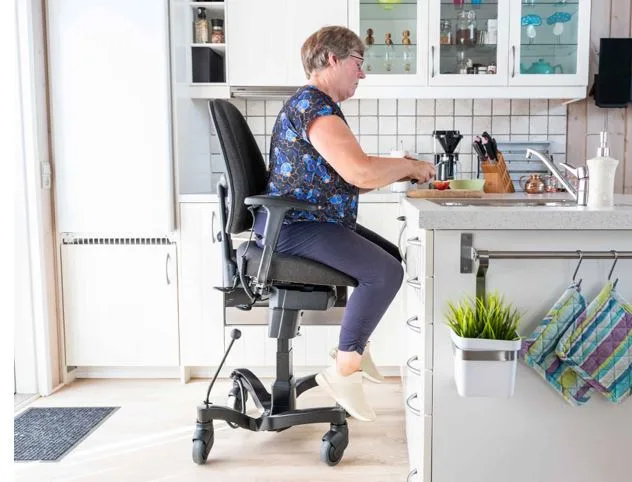
A cooking chair for elderly users offers a practical and preventive solution to this growing challenge. Unlike standard chairs or stools, cooking chairs are specifically designed to support active use in the kitchen. Adjustable seat height allows users to work safely at counter level, while stable wheels with brakes enable controlled movement between work surfaces without the need to walk or overreach.
From a public health perspective, such solutions are increasingly relevant. Statistics consistently show that a large proportion of injuries among seniors occur during everyday activities at home — not during exceptional circumstances. Fatigue-related falls and balance loss while standing for long periods are common contributing factors. Supportive seating helps reduce these risks by allowing seniors to remain active while minimizing physical strain.
Companies like VELA Chairs are addressing this issue through thoughtful, mobility-focused design. Their cooking chairs are built to support independence rather than replace it. By enabling seniors to continue preparing meals safely, these solutions reduce reliance on caregivers and help preserve dignity and self-sufficiency.
The benefits extend beyond safety. Maintaining the ability to cook independently supports better nutrition, as seniors are more likely to prepare fresh meals rather than rely on processed or ready-made food. It also reinforces daily routines, which play an important role in mental wellbeing and cognitive health.
Importantly, modern cooking chairs are designed to fit seamlessly into home environments. They avoid a clinical appearance, which can be a barrier to adoption. Instead, they reflect a growing recognition that assistive products should feel like part of everyday life, not symbols of decline.
As aging-in-place strategies continue to evolve worldwide, preventive design choices in the home will become increasingly important. Kitchen safety should be viewed not as a niche concern, but as a key component of long-term independence and public health planning.
Sometimes, meaningful change does not require complex technology — just smarter, more human-centered design.
FAQ
Why is the kitchen considered a high-risk area for seniors?
Because it combines prolonged standing, reaching, and balance, often leading to fatigue-related accidents.
How does a cooking chair improve kitchen safety?
It reduces physical strain and allows seated movement at counter height, lowering fall risk.
Is a cooking chair only for seniors with disabilities?
No. Many seniors use cooking chairs preventively to maintain independence and comfort.
Can cooking chairs reduce the need for caregiver assistance?
Yes. By supporting safe movement, seniors can perform tasks independently for longer.
Do cooking chairs look like medical equipment?
Modern designs prioritize aesthetics and blend naturally into home kitchens.