AI Couple and Wedding Photos Go Mainstream as Consumers Skip the Photo Studio
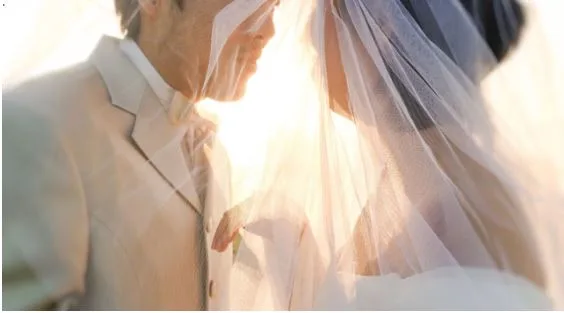
A year ago, getting a polished picture of a couple meant booking a photographer or hoping a friend with a decent phone was standing in the right place. In 2026 a growing share of those pictures are never taken at all. They are generated, from two ordinary selfies, in under a minute, and the category has quietly become one of the most used consumer applications of image AI.
The shift shows up in search behaviour first. Queries such as “couple photo maker”, “make couple photo from two photos” and “AI wedding photos” have moved from novelty terms to steady, everyday demand, and the tools answering them have moved with it. What began as a filter that pasted two faces onto a template is now a generative pipeline that renders both people into a new scene with matching light, perspective and skin tone.
Why couples were the first to adopt it
Three things made couple photography the entry point. The demand already existed: anniversaries, engagement announcements, holiday cards and dating profiles all need a good picture of two people, and most people did not have one. The cost of trying dropped to almost nothing: most platforms bill a few cents per image rather than a monthly subscription. And the failure mode is easy to judge: a couple photo either looks like the two of you or it does not, which makes it far easier for non-technical users to evaluate than, say, an AI-written report.
Platforms such as CreateVision AI, which bundles more than thirty image and video models behind a single interface in 27 languages, report that couple and group portraits are now among their highest-volume tools. The company’s AI couple photo maker takes one clear photo of each person, keeps their facial identity fixed, and lets the user choose the setting, from a studio portrait to a beach at sunset to a hand-drawn illustration style.
From couples to weddings
The next segment to move is weddings, where the economics are starker. A professional engagement or pre-wedding shoot typically costs several hundred dollars and requires a day off, travel and good weather. Generated AI wedding photos do not replace the photographer on the day itself, but they are increasingly used for the things that happen before it: save-the-date cards, invitation suites, venue mock-ups and social announcements, where a couple wants a dozen looks rather than one.
Wedding planners and stationery designers have been early commercial adopters for the same reason. A client can preview themselves in five dress styles or three venues before committing to any of them, and the planner can produce the imagery without a photo shoot.
What still separates good tools from bad ones
Consumer reviews of this category cluster around a single complaint: the people in the picture do not look like themselves. Identity preservation, keeping each face recognisable while the scene, pose and lighting change, remains the hard technical problem, and it is the main dividing line between tools that get reused and tools that get uninstalled after one try.
Users who get consistently good results tend to follow the same simple rules:
- Upload one clear, front-facing, unfiltered photo per person.
- Describe the scene rather than the people.
- Generate several candidates and choose by likeness before aesthetics.
- Upscale only the final pick if it is going to print.
Hands, physical contact between two people and text inside the image are the areas where every current model is still weakest, and where the next round of improvement is expected.
Outlook
Image generation has spent two years searching for a consumer use case that people return to without being reminded. Couple, family and wedding pictures appear to be it: the demand predates the technology, the output is easy to judge and the price of trying is close to zero. As identity consistency improves, the same pipeline is expected to extend to family reunions, team photos and anything else that previously required getting everyone into the same room at the same time.