AI Detector vs Human Review: Which Method Ensures Authenticity?
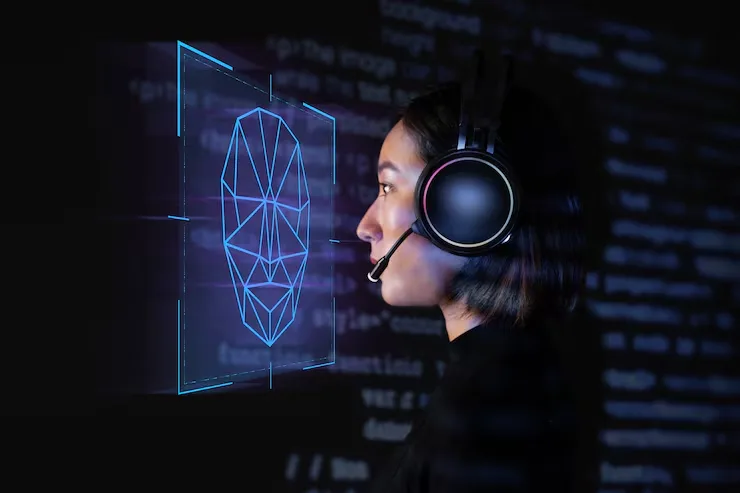
In a world increasingly populated with AI-generated content, determining authenticity has become a vital concern for writers, educators, and content teams. The rise of AI tools that create text, images, and even videos has led to the development of AI Detectors, designed to identify whether content is AI-generated. At the same time, human review processes continue to provide a subjective evaluation that machines might miss. This article delves into how AI detection technology works, explores the nuances of human review, and compares the two methods to guide you in choosing the right approach for ensuring content authenticity.
AI Detection Technology: How It Works and Its Limitations
AI Detectors like the AI Detector utilize algorithms to analyze patterns in text that might indicate AI generation. These tools often rely on AI-driven metrics and user experience heuristics to evaluate content against known AI language models. While effective at identifying overt machine-generated text, these detectors face limitations, such as difficulty with subtle AI-assisted editing or content that closely mimics human styles. Furthermore, some AI Detectors can struggle with detecting context or intent, which can lead to false positives or negatives in their assessments.
Despite these limitations, AI Detectors are invaluable for conducting A/B test variants on content to determine its origin. They offer scalability that human reviewers cannot match, allowing for rapid processing of large volumes of text. However, they still require human oversight to interpret results and make informed judgments about content authenticity.
Human Review Processes: Insights into Expert Evaluation
Human review remains a cornerstone in evaluating content authenticity, leveraging expert insights that machines cannot replicate. Human reviewers utilize their experience, intuition, and understanding of context to assess whether content aligns with expected standards. This process involves customer journey mapping to understand the content’s impact and relevance to the target audience.
While human review is insightful, it is not without its drawbacks. It can be time-consuming and subject to individual biases, which might affect consistency. Additionally, human reviewers may not be able to scrutinize large volumes of content as efficiently as AI Detectors, making scalability a challenge. Nevertheless, the depth of understanding and the ability to interpret subtle nuances give human reviews a unique edge in ensuring authenticity.
Comparative Analysis: AI Detectors vs. Human Reviewers
The choice between AI Detectors and human reviewers often hinges on the specific needs of the content and the resources available. AI Detectors excel in tasks where speed and volume are critical, such as churn rate analysis and omnichannel attribution. They provide a quick, data-driven approach, perfect for applications needing rapid turnaround.
Conversely, human reviewers are better suited for tasks requiring deep understanding and subjective evaluation, such as brand equity measurement and lead scoring models. They offer personalized insights that machines might overlook, especially in complex or nuanced scenarios.
Combining the strengths of both methods can offer a balanced approach, where AI Detectors handle initial screenings, and human reviewers add depth and context. This hybrid strategy can enhance conversion rate optimization tools by ensuring both efficiency and authenticity.
Real-World Applications: Choosing the Right Method for Authenticity
Deciding between AI Detectors and human reviewers involves assessing the specific context and goals of the content. For educational settings, human review might be favored to ensure content integrity and relevance. In contrast, marketing teams might prioritize AI Detectors for efficiency in content syndication strategies and social media listening tools.
Industries focusing on high-volume content production, such as media and communications, might benefit from AI Detectors’ ability to manage their search engine crawl budget effectively. Meanwhile, sectors demanding high precision, such as legal or scientific fields, might find human review indispensable for ensuring accuracy and context.
Conclusion
Both AI Detectors and human reviewers offer unique advantages in ensuring content authenticity. The choice between them depends on your specific needs, resources, and the nature of the content. Leveraging the strengths of both methods can provide a comprehensive solution, ensuring both efficiency and depth in evaluating authenticity. This dual approach can empower writers, educators, and content teams to maintain integrity and trust in an increasingly AI-driven world.