
AI fraud is changing how businesses should verify documents
A convincing invoice, bank statement or payment screenshot can still support a false story. Businesses need checks that connect the paperwork to an independently verified source.
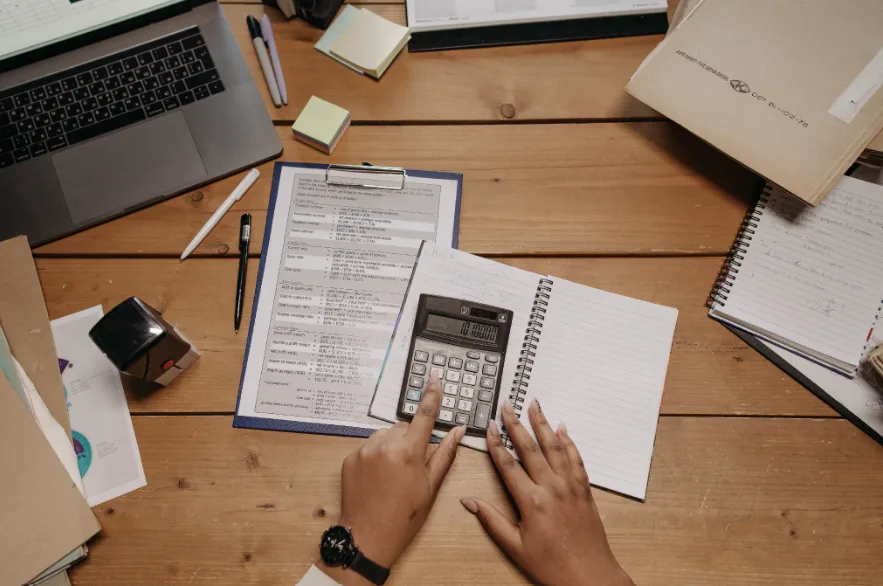
Reviewing financial paperwork before authorizing a payment.
A supplier sends a replacement invoice. The logo looks familiar, the amount matches the purchase order and the email asks for payment before the end of the day. The detail that needs the closest attention may be the new bank account, even when the rest of the paperwork looks routine.
That everyday approval decision is becoming harder to navigate as impersonation tools improve. On November 5, 2026, the U.S. Attorney’s Office for the Southern District of New York announced charges over an alleged scheme that used AI to impersonate executives and lawyers and obtain more than $129 million from companies. Prosecutors described employees being drawn into supposedly confidential transactions. The charges are allegations, and the defendants are presumed innocent unless proven guilty.
The allegations illustrate why businesses need to verify who is making a request as carefully as the supporting paperwork. A recognizable voice, a professional email and a neatly formatted attachment can reinforce the same false story.
The weakness in trusting appearances
Document review often begins with sensible questions. Does the name match? Do the dates make sense? Is the layout consistent? Those checks can uncover mistakes, but they cannot establish that a bank issued a statement or that a supplier authorized new payment details.
There is already an official warning about fabricated documents. In a November 2024 alert on deepfake fraud, the U.S. Treasury’s Financial Crimes Enforcement Network reported increasing suspicious activity reports involving deepfake media, particularly fraudulent identity documents used to get around verification and authentication checks.
A useful review separates three questions: does the file show signs of alteration, does the information agree with an independent record, and is the requested action authorized? Each needs its own evidence. A clean-looking PDF answers none of them by itself.
Three documents that deserve a second check
An invoice with changed bank details should trigger a check of the payment destination. Matching the amount to a purchase order confirms part of the transaction, but it does not establish who controls the receiving account. Compare the request with the supplier record and verify the change through an established contact.
A bank statement needs both consistency checks and a credible source. Opening balances, transactions and closing balances should reconcile, allowing for how the statement presents fees and pending items. Where appropriate and authorized, obtain the statement through the institution’s secure process or ask the account holder to provide it through an approved verification channel. Correct arithmetic alone cannot authenticate it.
A payment screenshot records what an image displays. It does not establish that funds have arrived or that a payment is final. Before releasing goods or issuing a refund, check the receiving account or payment provider’s own transaction record and status. A request to return an apparent overpayment deserves particular care.
Build a pause into the approval process
Small teams can make verification more reliable by deciding in advance which changes require another check. A new beneficiary account, an unusual payment route or a request to bypass a normal approver should be enough to pause the transaction. Employees should be able to use that pause without having to accuse a customer or colleague of fraud.
- Confirm the request independently. Use a known contact or a number obtained separately from the message and attachment. The FBI’s business email compromise guidance recommends verifying payment requests and changes to account details, and warns about pressure to act quickly.
- Keep the file as received. Save the original attachment, the message that delivered it and the existing supplier or transaction record. Converting everything into screenshots can remove information that would help a later review.
- Record what was checked. Note who confirmed the change, how they were contacted and what they confirmed. For a significant payment, a second approver should review that evidence before release.
The same process should apply when the request appears to come from a senior executive. An incoming call or video meeting should not become an exception to established approval rules simply because the speaker seems familiar.
Use document analysis to guide the next question
Automated document analysis can add another layer by examining information that is easy to miss during a visual review. For example, the TrueDoc fake document checker analyzes uploaded files for indicators of tampering or AI generation, using checks that include metadata, document structure and visual consistency. Its results provide a risk score and findings to support further review.
The useful outcome is a specific question to investigate: why does a date differ, why does one amount look inconsistent, or why does part of the file appear to have been changed? A flag is a reason to seek an explanation. Routine scanning, conversion and other legitimate processing can also change how a file is represented. Review the finding in context before making an accusation.
A low-risk result has limits too. It does not confirm that an issuer supplied the document, that the information remains current or that the sender is entitled to act on it. File analysis works alongside source checks and payment controls. Before uploading financial paperwork, use an approved service and check its access and retention settings.
Make verification part of the transaction
Businesses do not need to prove that AI created a suspicious document before pausing a payment. They need enough reliable evidence to justify the action they are about to take. That means confirming the request, checking the destination and resolving material inconsistencies before money or goods move.
If a payment has already gone to a suspected fraudster, contact the financial institution immediately and ask about recovery options. In the United States, the FBI also directs victims of business email compromise to report it to IC3. Preserve the original communications and files so the people investigating have more than a screenshot to work with.