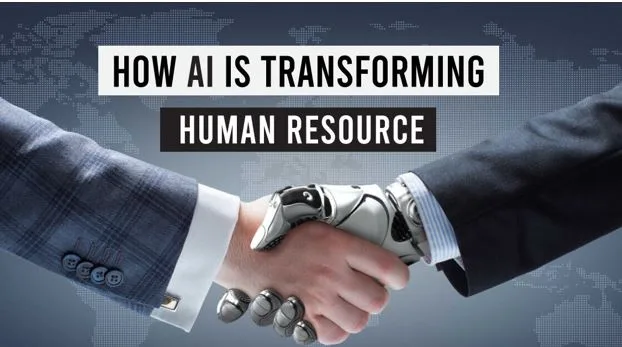
AI in Human Resources: Powering Intelligent Workforce Transformation
Human resources leaders are under increasing pressure to deliver more strategic value while managing rising workforce complexity. Talent shortages, evolving employee expectations, regulatory demands, and cost constraints are reshaping how HR functions operate. In this environment, traditional, labor-intensive HR processes are no longer sufficient to support enterprise growth and resilience.
Artificial intelligence is emerging as a critical enabler of HR transformation. By applying advanced analytics, machine learning, and automation, AI helps HR organizations improve efficiency, strengthen decision-making, and enhance the employee experience. When implemented with transparent governance and business alignment, AI allows HR to move beyond transactional support and become a true strategic partner to the business.
The Rise of AI-Driven Human Resource Management
Artificial intelligence in HR refers to the use of intelligent technologies to analyze data, automate processes, and generate insights across the employee lifecycle. These technologies include machine learning models, natural language processing, predictive analytics, and intelligent automation. Together, they enable HR teams to process large volumes of data, identify patterns, and recommend actions faster and with greater accuracy than traditional methods.
HR functions manage vast amounts of information, including employee demographics, performance data, engagement feedback, learning histories, and workforce costs. AI enables HR leaders to turn this information into forward-looking insight rather than relying solely on historical reporting. This shift supports more proactive workforce planning, risk mitigation, and talent optimization.
As enterprises expand their use of AI across finance, operations, and IT, HR AI initiatives must align with broader business and digital strategies. Many organizations engage external Gen AI consulting expertise to ensure AI adoption is value-driven, scalable, and aligned with enterprise priorities, rather than deployed as isolated tools.
Benefits of AI in HR
Improved operational efficiency
AI significantly reduces the manual effort required to manage high-volume HR activities. Intelligent automation streamlines processes such as employee data management, benefits administration, payroll inquiries, and policy support. By reducing administrative workload, HR professionals can focus on higher-value initiatives such as workforce strategy, leadership development, and organizational design.
Improved efficiency also enhances service delivery. AI-powered virtual assistants provide consistent, real-time responses to employee and manager inquiries, improving satisfaction while lowering service costs.
Data-driven decision-making
AI enables HR leaders to make better decisions by delivering predictive and prescriptive insights. Machine learning models can identify patterns related to attrition risk, workforce productivity, skills shortages, and compensation effectiveness. These insights allow HR teams to act proactively rather than responding after issues escalate.
Advanced analytics also strengthen workforce planning by linking talent data to business forecasts. This connection helps organizations align hiring, reskilling, and workforce deployment with future demand.
Enhanced employee experience
Employee experience has become a central focus for HR leaders seeking to attract and retain talent. AI supports personalized interactions throughout the employee lifecycle, from onboarding to career development. Learning recommendations, internal mobility suggestions, and performance feedback can be tailored to individual needs and goals.
AI-driven sentiment analysis helps HR identify engagement challenges by analyzing feedback from surveys, comments, and other communication channels. Early identification of experience gaps enables targeted interventions that improve morale and retention.
Stronger compliance and risk management
HR functions operate within complex regulatory and policy frameworks. AI improves compliance by embedding controls into HR processes, monitoring transactions, and flagging anomalies. Automated checks reduce the risk of errors and support audit readiness, particularly for global organizations with diverse regulatory requirements.
By improving data accuracy and process consistency, AI helps HR manage risk while maintaining operational efficiency.
Use cases of AI in HR
Talent acquisition and recruiting
AI has transformed talent acquisition by improving both speed and quality of hiring decisions. Intelligent screening tools evaluate candidate profiles against job requirements using consistent criteria, helping reduce bias and improve fit. AI can also identify candidates with transferable skills, expanding access to broader talent pools.
Recruiting chatbots engage candidates throughout the hiring process by answering questions, scheduling interviews, and providing status updates. This improves the candidate experience while reducing recruiter workload.
Workforce planning and skills intelligence
AI enables more advanced workforce planning by combining internal HR data with external labor market insights. HR teams can forecast future skills demand, assess current capabilities, and design targeted reskilling strategies. This supports long-term workforce agility and reduces reliance on reactive hiring.
AI-powered skills intelligence continuously updates skills inventories, enabling better talent deployment and internal mobility.
Learning and development
AI-driven learning platforms personalize development experiences based on role requirements, career paths, and performance data. Employees receive tailored recommendations rather than generic training programs, improving engagement and learning effectiveness.
AI also helps HR measure the impact of learning investments by linking development activities to performance outcomes and business results.
Performance management and engagement
AI supports more continuous and objective performance management. By analyzing goals, feedback, and collaboration data, AI provides managers with timely insights to support coaching and development conversations.
Sentiment analysis of employee feedback helps HR identify cultural and leadership issues early, enabling proactive interventions to improve engagement and productivity.
HR service delivery and operations
AI-powered virtual assistants serve as a scalable front line for HR service delivery, handling routine inquiries related to benefits, policies, and time-off management. This improves consistency and availability while lowering service delivery costs.
In HR operations, AI supports data quality, process standardization, and automation, creating a more resilient and scalable operating model.
Why choose The Hackett Group® for implementing AI in HR
Successfully implementing AI in HR requires more than deploying technology. It demands alignment with business strategy, process redesign, governance, and change management. The Hackett Group® brings a research-based, value-focused approach that helps organizations move from experimentation to measurable impact.
By leveraging extensive benchmark data and best practices, The Hackett Group® helps HR leaders understand how top-performing organizations apply AI to achieve superior outcomes. This insight supports practical roadmaps that prioritize high-value use cases, manage risk, and deliver sustainable results.
The Hackett AI XPLR™ platform supports organizations in identifying, prioritizing, and scaling AI use cases across HR and other functions. This structured approach ensures AI investments are aligned with enterprise goals and supported by strong governance.
For organizations exploring AI in HR, this combination of research, benchmarking, and implementation guidance enables disciplined adoption that delivers both operational efficiency and strategic workforce value.
Conclusion
AI is reshaping HR by enabling a shift from transactional administration to strategic workforce leadership. When applied thoughtfully, AI improves efficiency, enhances decision-making, strengthens compliance, and elevates the employee experience. More importantly, it enables HR to support enterprise agility and long-term performance.
To realize these benefits, organizations must approach AI adoption with clear priorities, strong governance, and alignment with business objectives. Research-driven frameworks and proven best practices help ensure AI delivers sustainable value rather than fragmented gains.
As workforce challenges continue to evolve, HR leaders who embrace intelligence-driven transformation will be best positioned to build resilient, future-ready organizations.