Ain’t No Mountain High Enough: Four Tips for Your First Mountain Climbing Vacation
The first time you decide to climb a mountain, it feels a little bold. Maybe even a little wild. Mountains have a way of looking peaceful from a distance and intimidating up close. But that’s part of the magic. So, you turn this idea into a vacation.
There’s no need to be an extreme athlete. No need to be a seasoned climber to enjoy your first ascent, either. All individuals – no matter their fitness level – should be able to enjoy this experience. What you do need is the basics. This includes preparation, realistic expectations, and a willingness to respect the mountain.
So, are you ready to trade beach chairs for switchbacks? If so, here are four practical tips to help you start strong.
Build Stamina with Proper Training
Let’s go ahead and sat it – climbing a mountain is tough work. Even smaller peaks demand steady effort for hours at a time. If you’re thinking about tackling something like Mount Hood or hiking high-elevation trails near Rocky Mountain National Park, your body needs to be ready. This means training.
You don’t have to train like an athlete. It’s not like you’re preparing for the Olympics. But you should begin by moving with intention. Do this at least a couple of months before your trip. Long walks are a great place to start. Add hills if you can. If you can’t, stairs work just as well.
Strength training matters, too. Focus on your legs and core. Good exercises to try include:
- Farmer’s walk
- Lunges
- Planks
- Squats
- Step-ups
And here’s something people often overlook – practice hiking with a backpack. Even carrying 15 to 20 pounds changes how your body moves. The more familiar it feels before your trip, the less shocking it will be on the trail.
Most important is consistency. Three or four moderate workouts a week is enough. You’ll build endurance without burning out. By the time you lace up your boots at the trailhead, you’ll feel prepared instead of panicked.
Invest in the Right Gear
There’s a fine line between being prepared and overpacking. For your first climbing vacation, focus on quality essentials.
Begin with boots. A sturdy, well-fitted pair of hiking boots will make or break your experience. Try them on in person. Walk around. Break them in well before your trip. Blisters halfway up a mountain are not a rite of passage – they’re just miserable.
Next comes clothing. Mountains create their own weather. Sunshine at the base turns into wind and cold near the summit. Dressing in layers gives you options. There are three layers you need:
- A moisture-wicking base layer. This keeps sweat off your skin.
- An insulating mid-layer. This adds warmth.
- A waterproof outer shell. This protects against wind and rain.
If your bucket list includes international icons like Mount Fuji or alpine regions near Mont Blanc, take notice of experienced climbers. They value lightweight, functional gear over flashy gear. Follow their lead.
And don’t forget the little things – hiking socks, sunglasses, sunscreen, and a comfortable backpack. You don’t need the most expensive gears on the market. You just need equipment that’s dependable.
Bring Essential Safety Equipment
Here’s the part that isn’t particularly glamorous but absolutely matters. Mountains are beautiful. The scenery is often what drives people to take up the hobby. But – a lot of the time – they’re also unpredictable.
At minimum, carry a basic first aid kit. Also, you’ll need a headlamp with extra batteries, plenty of water, high-energy snacks, and a reliable navigation tool. Even on marked trails, conditions shift quickly. Fog rolls in. Trails split. Weather turns. Being prepared helps when things change.
Tell someone your plans before you leave. Share your route and your expected return time. No one wants to imagine something going wrong, but having someone in-the-know about your excursion is vital. It sounds simple, sure, but it’s one of the smartest safety habits you’ll build.
If you’re traveling far from home, especially internationally, then look into global travel insurance. Maybe it’s not “equipment,” but it’s definitely a key aspect of safety. Certain incidents – like a twisted ankle or sudden illness – will become complicated quickly in remote areas. Having coverage offers peace of mind. With that, you’ll be able to focus on the experience instead of the “what ifs.”
And remember this – turning around is not failure. Sometimes the bravest choice is knowing when to head back down.
Choose the Right Location for Your Level
It’s easy to get inspired by dramatic summit photos. But your first mountain climbing vacation shouldn’t feel like survival mode.
Look for beginner-friendly routes. In the Southeast, Great Smoky Mountains National Park offers stunning views, well-maintained trails, and a range of difficult levels. Out West, many peaks around Mount Rainier National Park include accessible day hikes that don’t require technical climbing skills. Just be sure to do your research first.
Do the homework. Check elevation gain. Look at trail lengths. Research seasonal weather patterns. Identify permit requirements. Read recent trail reports when possible. If you’re unsure, consider hiring a local guide for your first climb. This isn’t cheating – it’s ensuring you remain safe. You’ll gain confidence and learn practical skills along the way.
The goal isn’t to conquer the tallest mountain you find – no matter what those “hiking influencers” you follow on Instagram say. It’s to finish your trip feeling strong, capable, and excited to plan the next one.
Final Thoughts: The View from the Top
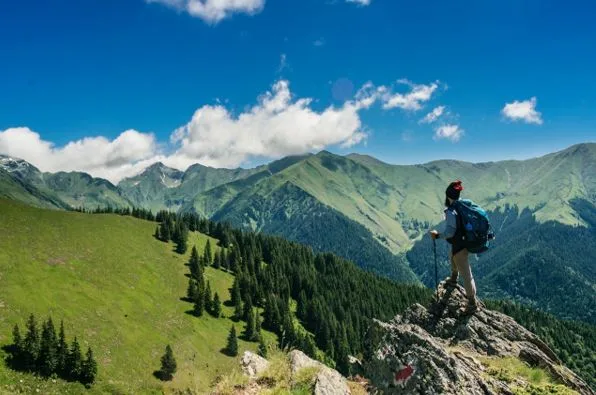
There’s something unforgettable about reaching a summit under your own power. Your legs might be tired. Your breathing may be heavy. But when you look across ridgelines and endless sky, it feels worth it.
Just remember the essentials. Take it slow. Respect the terrain. And when you reach that overlook or summit market, pause for a moment. The climb up is only part of the reward.