Alopecia and Alternative Hair Solutions: 6 Myths You Should Stop Believing
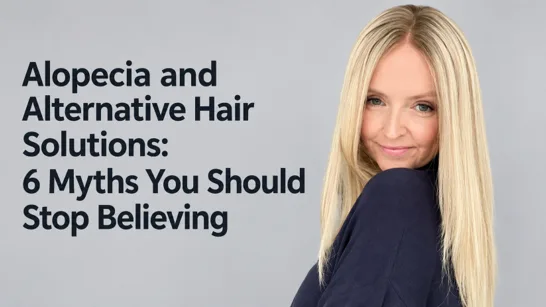
Hair loss can affect more than your appearance. It may also change how you feel about yourself and how comfortable you are in social situations. For people living with alopecia, finding the right hair solution can be an important step toward feeling more confident.
Today, there are many options for managing the appearance of hair loss, including hair toppers, wigs, and other alternative hair products. However, some common myths may prevent people from exploring these options.
Let’s look at six common misconceptions about hairpieces and learn what you should know before choosing one.
1. Myth: Wearing a Hair Topper Will Make Hair Loss Worse
Some people worry that wearing a hair topper will put too much pressure on their natural hair. This concern is understandable, especially when the hair is already thin or fragile.
The truth is that the effect depends on the product, how it fits, and how it is attached. A properly selected hair topper can provide extra coverage without placing unnecessary stress on the hair. However, clips that pull on weak strands may cause breakage or traction-related damage.
To reduce the risk, choose a lightweight topper and avoid attaching clips to areas with very little or fragile hair. Remove it gently rather than pulling it away from the scalp. If your scalp feels sore or irritated, stop wearing the piece and consider getting professional advice.
People with advanced hair loss may find that a full wig is a more suitable option because it does not rely on existing hair for clip attachment.
2. Myth: Hair Toppers Always Look Unnatural
Another common concern is that a hair topper will look like an obvious addition rather than part of your hairstyle.
In reality, the final appearance depends on several factors, including color, hair density, base construction, and placement. A topper that is too thick or has a noticeably different color from your natural hair may be harder to blend.
For a more natural result, look for a shade that closely matches your hair and choose a density that suits your existing strands. The base should also fit the area you want to cover without creating visible edges.
Styling can make a difference, too. Gently blending your natural hair with the topper can create a more consistent look. If you are unsure which option works best, a hair professional who has experience with alternative hair can help you compare different styles.
3. Myth: A Hair Topper and a Full Wig Are the Same Thing
Although both products can help people manage the appearance of hair loss, they serve different purposes.
A hair topper is designed to cover a specific area, such as the crown or a widening part. It usually blends with the wearer’s remaining natural hair and is often attached with clips or another suitable fastening method.
A full wig, on the other hand, covers the entire scalp. It can be a practical choice for people experiencing more widespread hair loss or those who prefer not to rely on their natural hair for coverage.
Neither option is automatically better than the other. The right choice depends on your hair loss pattern, scalp comfort, daily routine, and personal preferences.
4. Myth: You Must Switch to a Full Wig When Alopecia Progresses
Hair loss can change over time, but that does not mean everyone must follow the same path.
Some people find that a topper provides enough coverage for years. Others may eventually prefer a full wig as their hair becomes thinner or their coverage needs change.
The important thing is to choose a solution that works for your current situation. If your natural hair no longer provides enough support for clips, continuing to use a clip-in topper may cause unnecessary tension. In this case, a full wig or another attachment method may be worth exploring.
You can also reassess your choice as your needs evolve. Changing from a topper to a wig is simply one way to adapt your hairstyle to a new stage of life.
5. Myth: Wearing a Wig Means Giving Up Your Personal Style
A wig is not just a way to cover hair loss. It can also give you more freedom to explore different looks.
Modern wigs come in many lengths, colors, textures, and cuts. Depending on the construction and hair type, some can be styled to suit your preferences and daily activities.
You can choose a style that resembles your natural hair or try something completely different. A shorter cut may be easier to maintain, while longer styles can offer more styling possibilities.
Comfort matters just as much as appearance. Look for a cap that fits securely without feeling too tight, and consider breathable materials if you plan to wear your wig for extended periods.
The goal is to find a style that feels comfortable and reflects your personality, rather than feeling limited by hair loss.
6. Myth: There Is One Perfect Hair Solution for Everyone
Hair loss affects people differently, so there is no single solution that works for everyone.
Someone with mild thinning around the crown may benefit from a hair topper. A person experiencing extensive hair loss may prefer a full wig. Others may choose scarves, hats, or a combination of different options depending on the occasion.
Your lifestyle should also influence your decision. Think about how much time you want to spend on maintenance, how often you plan to wear the product, and whether your scalp is sensitive.
It is also important to remember that alternative hair products mainly help manage appearance. They do not treat the underlying causes of alopecia. If you have new, sudden, or worsening hair loss, consult a qualified healthcare professional to discuss possible causes and treatment options.
How to Choose the Right Alternative Hair Solution
Before making a decision, consider these four factors:
Coverage: Identify the areas where you need more volume or full coverage.
Comfort: Look for a suitable fit and attachment method that does not cause pain, excessive tension, or irritation.
Appearance: Compare color, density, texture, and base design to find an option that matches your desired look.
Maintenance: Consider how much time and effort you can comfortably spend on cleaning, styling, and storing your hairpiece.
If possible, compare several options before purchasing. Reading product details, asking questions, and seeking advice from an experienced hair professional can help you make a more informed choice.
Final Thoughts
Living with alopecia can bring both practical challenges and emotional changes. However, understanding your options can make the process of choosing an alternative hair solution less stressful.
Hair toppers and full wigs offer different benefits, and neither should be viewed as a one-size-fits-all answer. By focusing on comfort, coverage, appearance, and your daily needs, you can find an option that suits your lifestyle.
Most importantly, remember that your hair does not define your worth. Whether you choose a topper, a wig, or no hairpiece at all, the right decision is the one that helps you feel comfortable and confident in your own way.