Alternative Materials for Home Construction: Building a Sustainable Future
The construction industry is undergoing a radical transformation. Builders are moving away from carbon-intensive concrete and steel and toward regenerative alternatives. By 2026, the focus will be entirely on materials that actively restore the environment through carbon sequestration while minimizing harm. Homeowners now prioritize functional resilience and energy independence, creating a demand for innovative, nature-inspired solutions.
Harnessing the rapid regeneration and strength in plant-based designs
Bamboo has firmly established itself in modern architecture. It is celebrated for its tensile strength, which rivals that of steel, and its rapid growth cycle, which is measured in months rather than decades. Its rapid renewability makes bamboo a superior choice for load-bearing applications compared to traditional hardwoods. Installing Bamboo RainClad Siding offers homeowners exterior protection and a durable shield against harsh weather while enhancing the building’s visual warmth.
Beyond its physical robustness, bamboo acts as a formidable carbon sink during its growth phase. Using this material enables builders to significantly reduce a project’s embodied energy without sacrificing longevity.
Locking away carbon with stable engineered timber frameworks
Cross-laminated timber (CLT) is revolutionizing structural framing. It provides a lightweight, renewable alternative to industrial concrete and steel. CLT is made by bonding layers of lumber at perpendicular angles to create dimensionally stable panels that boast impressive fire resistance and seismic flexibility.
This engineered wood functions as a long-term carbon vault, storing CO2 within the building’s skeleton for generations. Its precision manufacturing also accelerates on-site assembly, resulting in reduced labor costs and cleaner construction sites.
Transforming demolition debris into recycled high-strength foundations
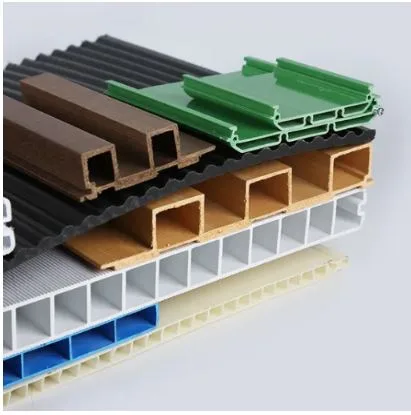
Repurposing waste as a resource, recycled concrete and advanced plastic composites are now essential for sustainable foundations and landscaping. These materials divert significant tonnage from landfills by processing debris into high-performance aggregates that rival virgin materials in strength. Current recycling technologies ensure that these composites maintain thermal efficiency and structural reliability.
Regulating indoor climates naturally with earth-based thermal mass
Rammed earth construction is favored for its exceptional thermal mass properties, which stabilize indoor temperatures naturally without heavy reliance on technology. Walls are created by compressing local subsoil with natural stabilizers. These walls absorb heat during the day and release it slowly at night.
This passive regulation significantly reduces the demand for artificial HVAC systems, resulting in major energy savings for homeowners. The organic, textured surface of rammed earth eliminates the need for chemical finishes or paints.
Cultivating healthier living spaces with breathable innovative bio-materials
Cutting-edge sustainable design utilizes grown materials like mycelium insulation and hempcrete blocks. Mycelium, the vegetative part of fungi, is cultivated into fire-resistant panels that provide excellent acoustic and thermal insulation.
Hempcrete offers a breathable wall system that naturally regulates humidity levels, preventing mold growth and improving indoor air quality. These bio-composites represent a fusion of biology and engineering, creating homes that support human health.