Aluminum vs Steel Wall Cladding Panels: Which is Better?
Wall cladding panels adopted in architecture the wall are extremely important in aesthetics as well as strength. Steel and aluminum have a range of advantages, and the choice of the material is a very significant one for architects and the owners of buildings.
Durability, maintenance, cost, and design flexibility should be factored in by architects and builders when picking cladding panels for the walls. The knowledge of aluminum and steel guarantees the longevity of performance and a beautiful exterior.
Understanding Wall Cladding Materials
The cladding wall panels improve the building facades by providing protection, insulation, and style. Popular options are aluminum and steel, which have different benefits concerning strength, weight, longevity, and ability to choose a modern design.
Aluminum Panels
The aluminum is not bulky, and it is corrosion-resistant, as it is ideal where modern facades are concerned. It may also be highly versatile and be easily molded, modified, and punched to be used in functional design as well as decorative design.
Steel Panels
Steel panels are powerful, tough, and relatively cheap, which means that they come highly recommended in heavy-duty applications. They can survive in extreme weather conditions, and they have structural integrity and long-term performance.
Installation Considerations
The weight of the materials themselves has a direct impact on the building design’s structural requirements. And it is easy to manipulate in fabrication and installation, which is why it leads to efficient construction and lowers the cost of labor and time.
Maintenance Needs
Aluminum cladding normally requires very little maintenance, and it preserves its appearance over time. On the contrary, steel panels usually need corrosion-resistant finishing and recurring maintenance to avoid rusting and to make sure they last.
Knowing the characteristics of aluminum and steel, their advantages, and drawbacks enables architects and construction workers to choose wall covering materials that provide durability. This decision improves the performance and the aesthetics.
Durability Comparison
The aspect of durability is important in the selection of wall cladding panels. Aluminum and steel react differently to weather, corrosion, as well as wear, hence the correct choice of material will provide long-term protection and the least maintenance.
Corrosion Resistance
Aluminum is inherently resistant to rust and corrosion, and therefore, it would be most suitable in a humid or coastal environment. On the other hand, steel should be covered with galvanization or paint to make sure that it does not rust over time.
Weathering Performance
Aluminum does not change its look even in extreme temperatures and with long exposure to UV radiation. Conversely, steel is a material that may turn discolored with time, and it may require occasional repairs in severe environmental conditions.
Impact Resistance
Steel has a better impact strength, and thus it is suitable for industrial or heavy foot traffic. Aluminum has a lot of dents and is not very stable, so it should be handled carefully when in such an environment, but it is a much lighter piece of metal.
Lifespan Considerations
Aluminum panels provide several decades of quality service with minimum maintenance. The correctly painted steel panels are also the durable ones, but they normally need periodic check-ups and maintenance to maintain performance and look.
Durability measures guarantee the panels used to clad the walls to withstand the environmental forces that could damage the walls by giving them a long duration of protection and their structural integrity and aesthetics over the life of the building.
Aesthetic Appeal and Design Flexibility
Wall cladding panels are not only a way to protect the buildings, but also to embody their appearance. The nature of aluminum and steel can enable designers to develop modern, impressive exteriors with various finishes, textures, and unique designs.
Aluminum Panels
They are easy to mold, cut, or paint, used in projects that emphasize artistic frontages and unusual projects in architecture. Perforated aluminum panels create a decorative quality and enhance airflow and light penetration, and overall functionality.
Steel Panels
Steel cladding provides a slick, industrial look and is done with brush, coated, or patterned. Reinforced surface painting designs improve durability and add artistic potential to modern architectural designs in mixed sponsorship projects worldwide.
Custom Finishes
Both materials reinforce powder coating, anodization, and painted decorations in order to create vibrant colours and fancy textures. These surface effects are used to increase the visual continuity, design plasticity, and firm overall building identity.
Integration with Other Materials
Metal sheets are compatible with glass, wood, and concrete to add architectural alteration and integration. Such versatility aids in contemporary exterior design, whereby the designers can strike a balance between durability, texture, and visual depth.
Cladding panels made of aluminum and steel provide modern architecture with design opportunities. The materials assist architects in the development of workable, robust, and appealing fronts that improve general building identity undertakings.
Weight and Structural Considerations
Wall cladding panels depend on their weight to support the structure, installation, and building as a whole. The comparison of aluminum and steel would enable architects to use materials with balanced areas on strength, handling, and efficiency.
Aluminum Panels
Lightweight wall cladding also minimize pressure on the supporting systems and bases. The fact that they are easy to handle and install makes them suitable for large facades or retrofit work where they are supposed to be constructed efficiently.
Steel Panels
Steel cladding panels are heavier and exceptionally stronger, and they are more rigid; hence, they are very strong in terms of structural integrity. They work perfectly well in high-rise buildings or in places where more reinforcement and longevity are needed.
Installation Efficiency
The lightweight of aluminum is easier to handle and faster to install, thus cutting down the cost of labor. On the contrary, steel panels are heavier and may demand cranes or special machinery to install, making them more complex and expensive to install.
Safety Considerations
It is important to carry out a comprehensive structural review. It guarantees that wall cladding panels are resistant enough to withstand wind forces, seismic forces, and other environmental pressures that promote the safety and durability of buildings.
The consideration of weight and structural considerations will assure stability and support provided by the wall cladding panels. The approach also helps to provide easier installation, but safe and durable as well as appealing facades to the building.
Cost Analysis
The greatest role in the choice of wall cladding panels is played by cost. The comparison of aluminum and steel can be applied to calculate material, fabrication, installation, and long-term maintenance costs used to stay within the budget and project objectives.
Material Costs
Aluminum is normally expensive in the initial stages due to its lightness and resistance to corrosion. Although steel usually has a lower cost at the beginning, it tends to require coating to guarantee its long life and ability to resist environmental destruction.
Fabrication and Installation
Lightweight aluminum would make handling easier and reduce labour and installation expenses. As a contrast, since steel is heavier than aluminum, more support and equipment are usually needed, and this adds to the total handling and installation costs.
Maintenance Costs
Wall cladding panels made of aluminum require minimal maintenance, which minimizes long-term expenses and labor. On the contrary, steel panels are regularly painted or treated with anti-corrosion measures to ensure their durability and appearance.
Long-Term Value
Both steel and aluminum can give an economical solution, taking into account their lifespan, durability, and maintenance needs. Choosing the right material to be used in a particular application guarantees value and performance in the long run.
Access to such solutions as preliminary and final cost enables architects and constructionists to make sound decisions. This will ensure that wall cladding panels are constructed to meet cost, wear and tear, and overall performance specifications.
Sustainability and Environmental Impact
Sustainability is an essential concept in contemporary construction. The recyclability, energy consumption, and environmental impact of aluminum and steel wall cladding panels influence eco-friendly material selection and future building performance.
Recyclability
Both aluminum and steel are recyclable, thus reducing landfill waste. This is the sustainable quality that helps in saving the natural resources, but promotes environmentally friendly construction and a sustainable environment in the building project.
Energy Consumption
Aluminum production requires a lot of energy, but its durable life and complete recyclability contribute to the mitigation of environmental effects. Steel consumes less original energy, but may need to be replenished occasionally with protective coats.
Carbon Footprint
Using recycled material and energy-saving processes in the production process can greatly diminish the environmental impact of these two materials. These are sustainable practices that ensure that the performance of wall cladding remains of high quality.
Sustainable Design Benefits
Lightweight aluminum helps to reduce structural load, leading to easier and efficient installation. Conversely, the long life of steel also reduces the aspect of replacement, thus saving materials and ensuring sustainable construction comes in handy.
By attention to sustainability, it becomes possible to ensure the wall cladding panels contribute to green building. They maximize energy saving and recyclability, and provide long-term environmental benefits during the life cycle of a building.
Special Applications
The aluminum and steel wall cladding panels can be applied in a variety of uses, both practical facade and as a decorative design. The awareness of their strengths will allow architects to use materials to design lasting, beautiful, and context-focused works.
Industrial and Commercial Buildings
Steel panels against other construction materials are incredibly strong and durable. They are used in an ideal manner in warehouses, factories and other high-traffic buildings, as they offer good protection and structural support in harsh conditions.
Modern Architectural Designs
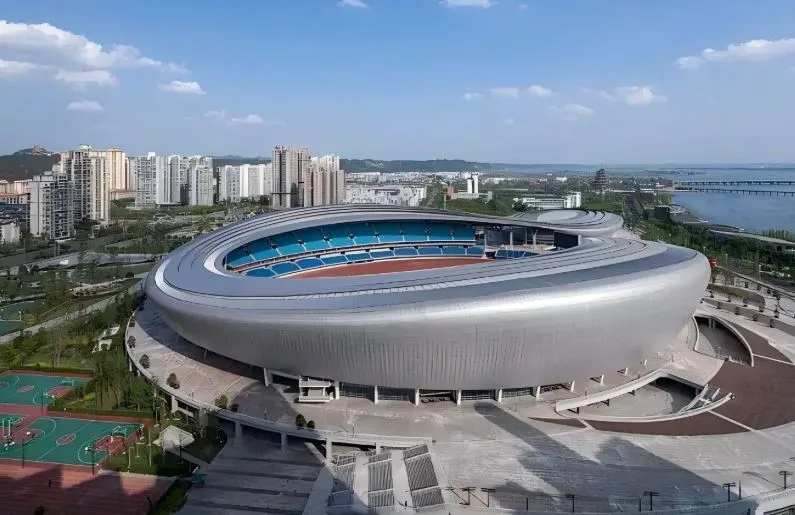
The use of aluminum cladding panels facilitates new designs of facade. They assist curved surfaces and lightweight structures with the ability to give architects freedom to make building outer surfaces to be aesthetically pleasing, modern and useful.
Decorative and Functional Panels
Perforated aluminum panels enhance the movement of air and natural light that produce functional areas. They also provide the visual appeal, and to the interior and outer facades, they are made to be very modern and stylish in their architecture.
Metal Cladding in Retrofitting Projects
Both materials are easy to fit into the existing buildings, projecting a strong defense and rejuvenated concept. Metal cladding solutions can optimize fares with minimal structural interference as well as increase performance, life cycle, and aesthetics.
Wall cladding panels are versatile, which can be illustrated using specialized applications. They enable architects to attain long-term, useful, and attractive exterior design and retain elasticity in distinctive, high-performance architectural structures.
Conclusion
The use of wall cladding panels requires a consideration of material performance, durability, flexibility of designs, costs, and environmental effects. Aluminum and steel offer a range of advantages that can be applied to architectural and functional needs.
Aluminum has provided lightweight, corrosion-resistant steel paneling ideal for modern facades. Steel provides hard, stiff, and tough solutions for heavy or busy applications. Project assessment quality guarantees the best level of performance and durability.